
How to Buy Tyres by Size Without Guesswork

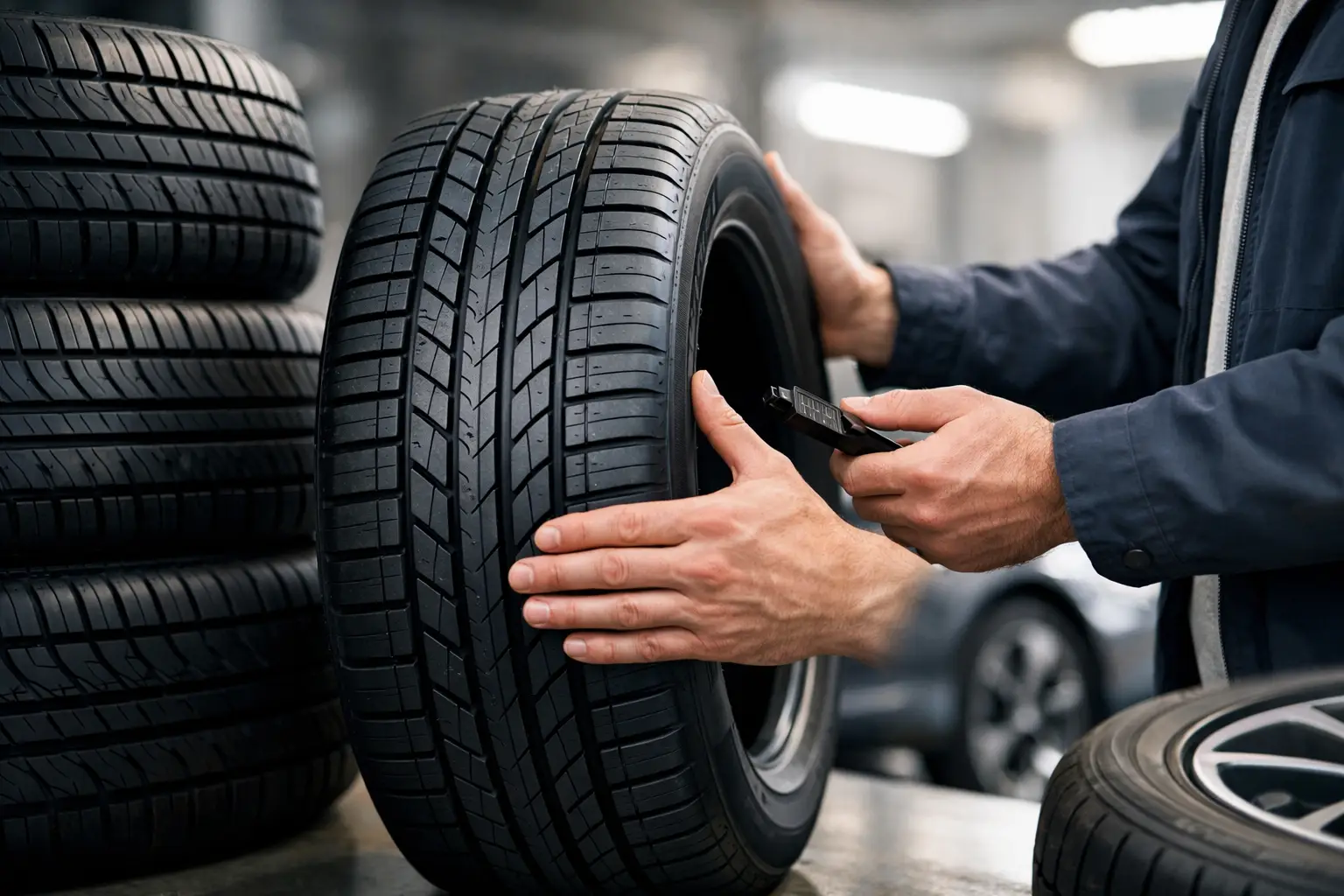
That string of numbers on your sidewall decides far more than most drivers realise. If you want to buy tyres by size, getting it right means better fitment, safer handling, proper load support and no nasty surprises on fitting day. Getting it wrong can leave you with rubbing, poor ride quality, incorrect speed readings or tyres that simply do not fit your wheel.
Why buying tyres by size matters
A tyre size is not just a rough guide. It is a precise fitment reference that tells you the tyre width, sidewall profile, construction type, wheel diameter and, elsewhere on the sidewall, the load and speed rating. For example, 225/45 R17 gives you the basic size, but it does not tell the whole story on its own.
This is where many buyers come unstuck. Two tyres can share the same basic size but still differ in load index, speed rating, XL construction, run-flat design or manufacturer approval. If you are replacing tyres on a family hatchback, a van, or a performance car on larger alloys, those details matter. Buying by size is the right place to start, but it should never be the only thing you check.
How to read tyre size properly
What the numbers mean
Take 225/45 R17 as an example. The 225 is the width of the tyre in millimetres. The 45 is the aspect ratio, which means the sidewall height is 45 per cent of the tyre width. The R means radial construction, which applies to virtually all modern road tyres. The 17 is the wheel diameter in inches.
After that, you will usually see something like 94Y. The 94 is the load index, and the Y is the speed rating. Both need to match your vehicle requirement or exceed it where appropriate. Dropping below the required rating is not something to guess at.
Where to find your tyre size
The easiest answer is the sidewall of the tyre already fitted. That said, do not assume the current tyres are correct just because they are on the car. It is always worth checking the vehicle handbook, door shut sticker or fuel flap label, depending on the vehicle. Some cars also have different approved sizes depending on wheel option, trim level or whether the fitment is front and rear staggered.
That last point matters for plenty of BMW, Mercedes, Porsche and performance models. If your front and rear tyres are different widths, ordering four identical tyres by mistake is an easy and expensive error.
Buy tyres by size, but check the full fitment
If you are browsing stock by size, that is a sensible way to narrow the field quickly. It is especially useful when you already know the exact size you need and you want to compare brands, budgets and tyre types. But before you commit, make sure the rest of the spec stacks up.
Load rating and speed rating
A tyre that physically fits the wheel is only part of the job. The tyre also needs to carry the vehicle weight safely and suit the vehicle’s performance requirement. A heavier SUV, an EV or a commercial vehicle may need a higher load rating than a standard passenger car tyre in the same size. Likewise, premium and performance vehicles often need specific speed ratings.
There is sometimes flexibility here, but it depends on the vehicle and intended use. Winter fitments, for example, can have different rating rules in some cases. If you are unsure, this is where expert advice pays for itself.
XL, run-flat and reinforced options
Two tyres in the same size can drive very differently. XL or extra load tyres have stronger construction for higher load capacity. Run-flat tyres let you continue for a limited distance after a puncture, but only if the vehicle and wheel setup are suited to them. Reinforced options are common on heavier cars and vans.
Swapping from run-flat to non-run-flat, or vice versa, is not always a straightforward yes or no. It depends on the car, the suspension setup and what you expect from the vehicle. Some drivers prefer the sharper feel of one option, others want more comfort. The right answer is rarely universal.
Choosing the right tyre once you know the size
Buying by size opens the door to a wide range of tyres, which is helpful, but it can also make the choice feel wider than it needs to be. The best tyre for your size depends on how you use the vehicle.
For everyday commuting, a good touring or mid-range tyre often makes the most sense. You want stable wet grip, reasonable wear and low noise rather than the sharpest possible turn-in. For motorway miles, comfort and longevity matter more than chasing peak dry performance.
If you drive a more powerful car or simply want a more planted feel, a premium performance tyre may be worth the extra outlay. Better wet braking, stronger cornering support and more predictable handling can justify the cost, especially on heavier or faster vehicles.
For vans and commercial use, tyre choice becomes even more practical. Durability, load capacity and sidewall strength matter more than brand prestige alone. A cheap tyre that wears quickly or struggles under load is not a saving.
Common mistakes when buying tyres by size
Matching size but missing specification
The biggest mistake is assuming the size code is the whole story. It is not. A tyre can be the right width and diameter but still be wrong for the vehicle because of the wrong load index, speed rating or construction type.
Ignoring staggered setups
On many prestige and performance models, the front and rear tyres are not the same size. If you only glance at one tyre, you can end up ordering the wrong pair for the other axle.
Mixing tyres without thinking it through
Sometimes replacing two tyres is perfectly reasonable. Sometimes it creates imbalance in grip, wear pattern or ride quality. Mixing brands and tread patterns across axles is not always ideal, particularly on more sensitive chassis setups. It can be acceptable, but it depends on the vehicle and the condition of the remaining tyres.
Choosing on price alone
Price matters, of course. But if the cheapest option is noisier, wears faster or gives away wet grip, the long-term value can be poor. A tyre is not just a black ring of rubber. It affects braking distance, steering feel and how settled the car feels in the rain.
When online size search works best
Searching tyres by size online is ideal when you already know your fitment and want fast access to available stock. It lets you compare brands, price points and tyre categories without wading through irrelevant options. For straightforward replacement on a common size, it is often the quickest route from search to fitting.
It is also useful if you are shopping for a second set of wheels, replacing worn tyres on an enthusiast setup or sourcing less common sizes for premium vehicles. Stock depth matters here. A supplier with broad inventory can save you from compromising on brand or specification simply because the right size is hard to find.
That said, online search is at its best when backed by proper fitment knowledge. If your car has unusual wheel widths, a manufacturer-specific marked tyre, or a recent wheel change, a quick check with a specialist can prevent a bad purchase.
Buy tyres by size with workshop fitting in mind
Buying the correct tyre is one thing. Having it fitted properly is the next. Balancing, valve replacement, condition checks and alignment advice all affect how the tyre performs once it is on the car.
This matters even more if your current tyres show uneven wear. If the inside edge is scrubbed out, simply fitting a new pair without checking alignment can waste money fast. The same goes for damaged wheels, vibration issues or bead sealing problems. A proper fitting centre sees those issues before they ruin a fresh set of tyres.
For local drivers in Dorset, using a supplier that can both source the tyre and fit it properly makes the process simpler. It cuts down the usual back-and-forth between online ordering and a separate garage, and it means any fitment questions can be sorted before the tyres are mounted.
When expert advice is worth having
Not every tyre purchase is complicated. If your car uses a standard size and you are replacing like for like, buying by size can be very straightforward. But there are plenty of cases where a specialist eye helps.
Changed your wheel size from standard to aftermarket alloys? Running a premium car with star-marked, AO or MO approved tyres? Unsure whether to stay with run-flats? Choosing between new and part-worn options for a budget-conscious repair? These are all situations where the cheapest or fastest answer is not always the best one.
A specialist can also tell you when there is more than one suitable route. Sometimes a direct replacement is correct. Sometimes a better tyre in the same size gives you noticeably better performance. Sometimes the real issue is not the tyre at all, but the wheel, alignment or suspension.
If you want to buy tyres by size confidently, start with the sidewall, verify the vehicle requirement, then check the full specification before you order. Size gets you into the right category, but proper fitment gets you the right result. If there is any doubt, ask before you buy – it is a lot easier than sorting out the wrong tyres after they arrive.