
Best Commercial Van Tyres: What to Choose

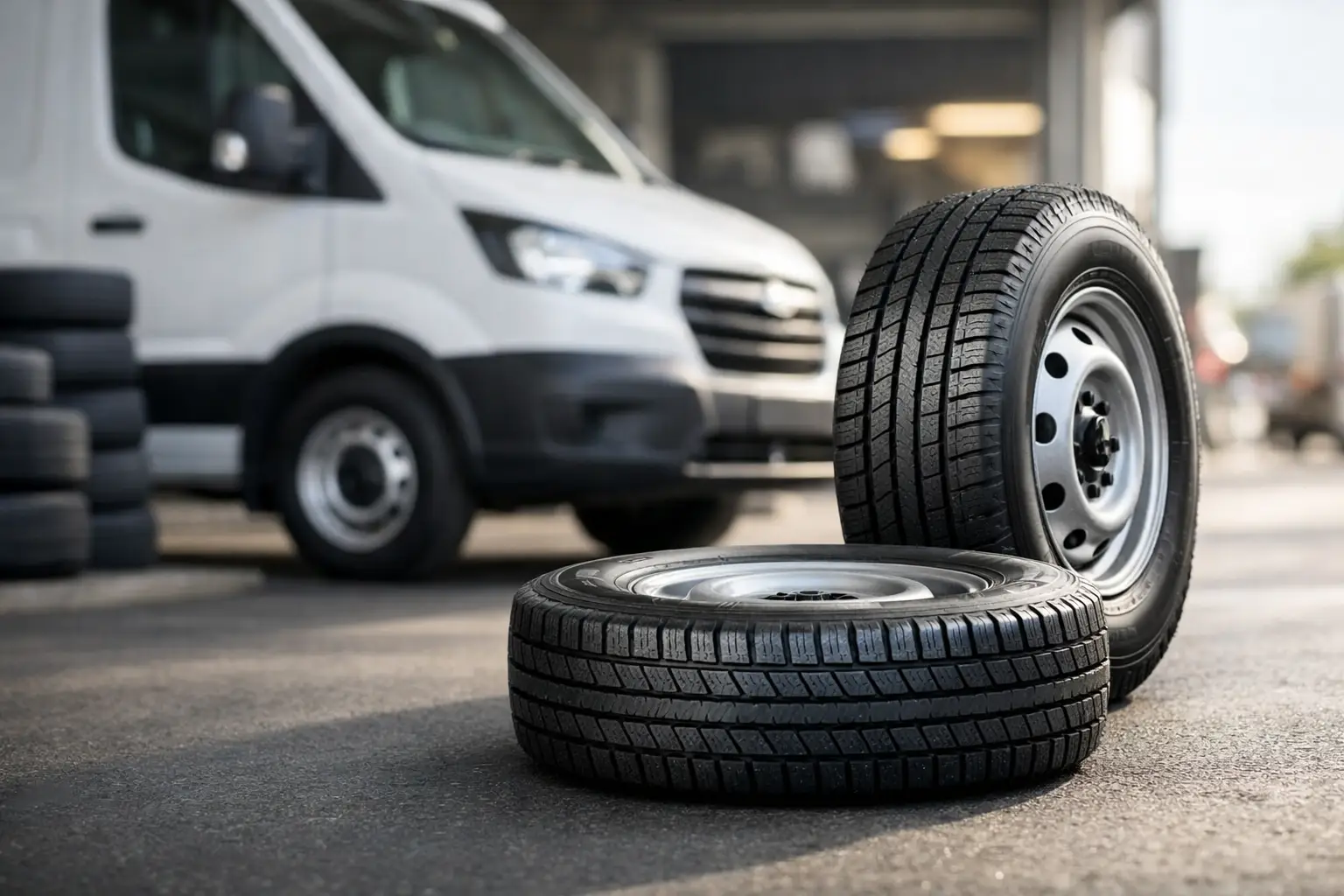
A van tyre that looks fine when unloaded can feel very different with tools, stock or materials in the back. That is why choosing the best commercial van tyres is about more than finding the lowest price in the correct size. The right tyre needs to carry the vehicle safely, cope with regular stop-start driving and deliver worthwhile mileage before replacement.
For a self-employed tradesperson, one van off the road can mean missed work. For a fleet, small differences in tyre life and fuel use add up quickly. Start with the load your van actually carries, the roads it covers and how many miles it does in a typical year. Those details will point you towards the right commercial tyre rather than simply the cheapest available option.
What makes a good commercial van tyre?
Commercial tyres are designed around a different job from car tyres. Their construction is intended to support higher axle loads, resist wear under frequent use and remain stable when the van is carrying weight. Many use reinforced casings and tougher sidewalls, although the specification still varies significantly between sizes and manufacturers.
A quality van tyre should provide dependable wet-weather braking, predictable handling when loaded and a tread pattern suited to its working environment. A delivery van doing urban rounds has different priorities from a long-wheelbase van travelling motorway miles, while a vehicle regularly visiting muddy sites may need more traction than either.
The best choice is rarely the tyre with the highest claimed mileage alone. A very hard-wearing tyre can involve a trade-off in wet grip or refinement. Equally, a tyre focused on maximum grip may wear sooner if it spends every day on abrasive urban roads. The aim is to buy the tyre that best suits the work, not the one with the most impressive single figure on a label.
Best commercial van tyres by working pattern
High-mileage motorway and A-road vans
If your van spends much of its time covering distance between jobs, look for a commercial tyre with a mileage-focused compound, efficient rolling resistance and strong wet-grip performance. A stable tread design helps the vehicle feel settled at cruising speeds, particularly when it is loaded or fitted with racking.
Fuel economy matters here, but it should not override safety. A lower rolling-resistance rating can help reduce fuel consumption across a large annual mileage, yet wet braking and the correct load index remain essential. Check the tyre label as a useful comparison point, then consider the full specification and the way the vehicle is used.
Urban delivery and trade vans
Town work is hard on tyres. Kerbs, potholes, roundabouts, repeated braking and low-speed manoeuvring can wear a front axle quickly. Tyres with durable shoulders and a casing built for frequent stop-start use are often a sensible investment.
For this type of work, rotating tyres at appropriate intervals can help even out wear, provided the tyre sizes and vehicle set-up allow it. Regular pressure checks are equally valuable. Underinflation creates excess heat, accelerates shoulder wear and can reduce the tyre’s ability to carry its rated load safely.
Heavily loaded vans
A van may be legally plated for a substantial payload, but the tyres must be rated for the weight carried. Always check the load index shown on the existing tyre, the vehicle handbook or manufacturer placard, and never fit below the required rating.
Do not assume that an XL-marked car tyre is an automatic substitute for a proper commercial tyre. XL means Extra Load, but it does not by itself confirm that the tyre has the same commercial construction, load capacity or suitability as a C-marked van tyre. The exact size, load index and approved fitment matter.
When replacing only two tyres on a heavily used van, matching the specification across an axle is particularly important. Different load ratings, tread patterns or levels of wear can affect stability and braking behaviour. Fitting the newer pair to the rear is commonly recommended for maintaining rear-axle grip, but follow the vehicle manufacturer’s guidance and ask a fitting specialist if the van has an unusual set-up.
Site access and mixed-road driving
Builders, landscapers and rural businesses often need tyres that can handle loose surfaces as well as tarmac. An all-season commercial tyre can be a practical option for vans that face cold, wet roads and occasional unsurfaced access routes. Look for a suitable winter performance marking where winter use is a regular requirement.
However, an all-season tyre is not a replacement for a dedicated all-terrain tyre where a van regularly works in deep mud, loose stone or demanding off-road conditions. More aggressive patterns can improve traction but may create more road noise, affect fuel use and wear differently during motorway work. Be realistic about where the van spends most of its time.
Check the specification before choosing
The tyre size is only the starting point. A typical marking such as 205/65 R16C 107/105T contains information that needs to be correct for the van. The width, profile, wheel diameter, commercial marking, load indices and speed rating all have a purpose.
Twin load indices are common on commercial tyres because the permitted capacity can differ between single and twin-wheel applications. If your vehicle has rear twin wheels, do not select a tyre using only the first number. The correct tyre also needs to be suitable for the wheel width and vehicle manufacturer’s approval.
Tyre pressures deserve the same care. The correct pressure may differ between front and rear axles, and may change according to whether the van is lightly or fully loaded. Use the vehicle manufacturer’s pressure information, not a generic passenger-car figure. Check pressures cold, including the spare where fitted, and inspect the valve condition at the same time.
New, part-worn or budget tyres?
New premium commercial tyres can make financial sense when the van covers high mileage, carries heavy loads or is central to your business. They often offer the most developed compounds, wet performance and casing quality, although the initial outlay is higher.
Mid-range tyres can be a sensible balance for lower-mileage vans or businesses managing several vehicles. The key is to compare like for like: correct commercial size, load index, wet rating and intended use. A budget tyre may be suitable for light duty, but a low purchase price is less attractive if it wears rapidly or compromises confidence in heavy rain.
Part-worn tyres can offer an affordable option in certain circumstances, but they need careful inspection. Check remaining tread across the full width, signs of uneven wear, repairs, sidewall damage, age and matching specifications. On a working van, especially one that carries people, equipment or significant loads, there is a strong case for prioritising new tyres on the most critical axle positions.
Fitting and maintenance protect the investment
Even the right tyre will not perform properly if the wheel alignment is out. Feathered edges, rapid inner-shoulder wear or a steering wheel that sits off-centre can all indicate an alignment issue. Potholes and kerb strikes are common causes, particularly on vans working in towns.
Have new tyres fitted and balanced correctly, and ask for the condition of the old tyres to be explained. Uneven wear often reveals a pressure, suspension or alignment problem that should be addressed before it damages the replacement set. For local businesses, The Tyre Barn can pair tyre selection with practical fitting support at its Wimborne workshop.
Before ordering, have the van’s registration, tyre size, load index and a clear idea of its normal payload to hand. A few minutes spent confirming the specification can prevent an expensive mistake and put your van back to work on tyres chosen for the job.