
Best Alloy Wheels for Audi That Fit Properly

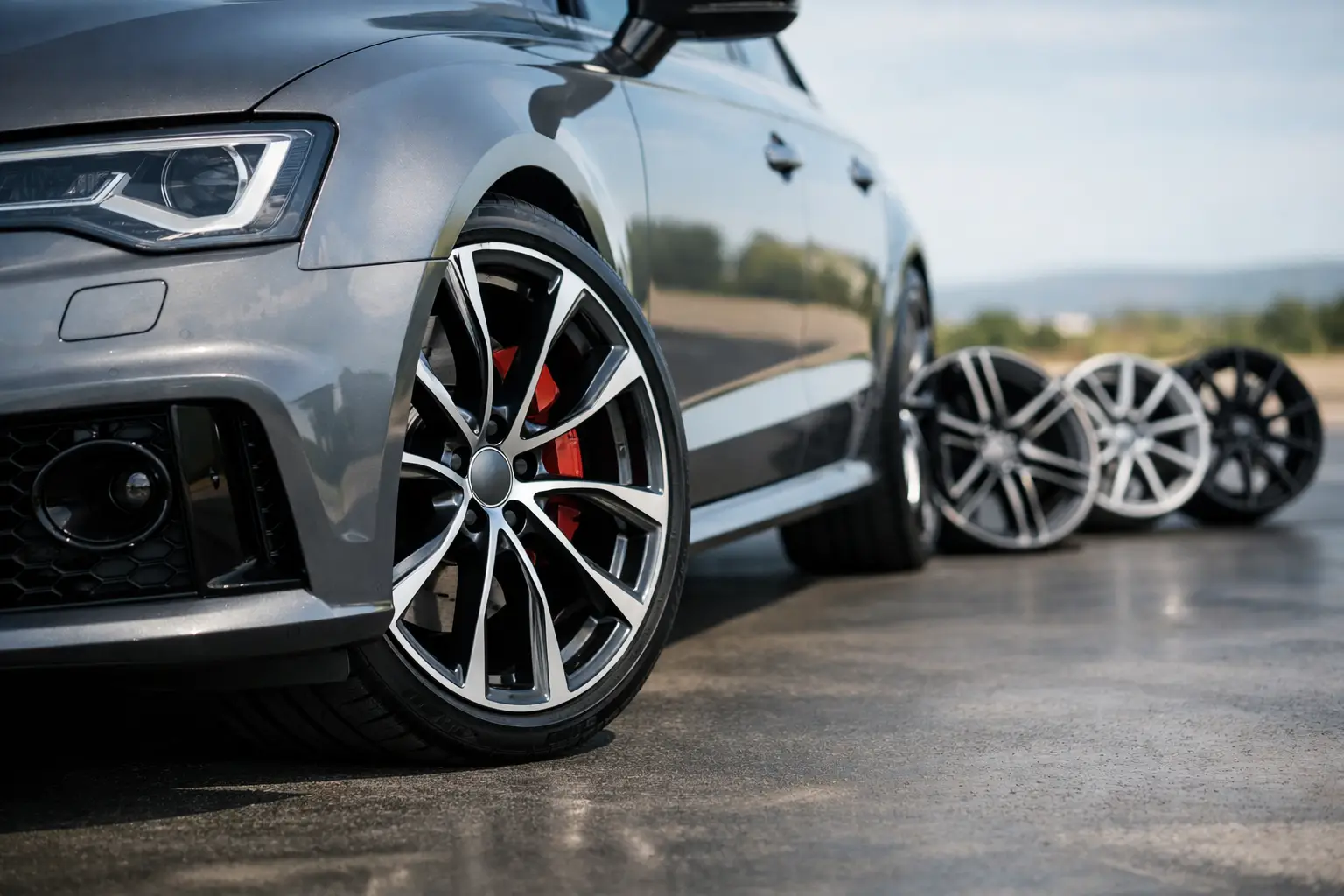
A set of wheels can make an Audi look sharper, lower and more purposeful in a single afternoon. But the best alloy wheels for Audi are not simply the biggest set that fills the arches. They need to suit the model, clear the brakes, carry the right load, work with the tyres and sit correctly on the hub. Get those details right and the result looks factory-level. Get them wrong and even an expensive set can create vibration, rubbing or poor handling.
Best alloy wheels for Audi start with fitment
Audi fitment is often more specific than it first appears. Many modern Audi cars use a 5×112 PCD, but that is only one part of the specification. Wheel diameter, width, offset, centre bore, bolt seat type and load rating all need checking against the exact vehicle.
A 19-inch wheel from an A4 may share the same PCD as one intended for an A6, Q5 or S model, yet still be unsuitable. The offset may place it too far inboard against suspension components, or too far out towards the wheel arch. A wheel may also clear standard brakes but foul larger S or RS callipers.
This is why registration-based checking and a proper fitment assessment are worth more than choosing by appearance alone. Audi has produced a wide range of platforms, brake packages and factory wheel sizes. A specialist should confirm the full wheel and tyre package before anything is fitted.
The key measurements to check
PCD describes the number and spacing of the bolt holes. It must match exactly. For a large proportion of current Audi models this is 5×112, although owners of older cars should never assume this applies.
Offset, shown as ET, is equally important. A lower ET number generally pushes the wheel further out, while a higher number draws it further into the arch. Small changes can alter clearance significantly, particularly on lowered cars or models with wide tyres.
The centre bore matters because the wheel should locate accurately on the hub. Many aftermarket wheels use a larger centre bore and require the correct spigot rings to make the fitment hub-centric. Bolts should also be correct for the wheel. Audi factory wheels commonly use ball-seat bolts, while many aftermarket wheels require tapered-seat bolts. Using the wrong seat type is not a minor detail.
Choose a wheel size that suits how you drive
For most Audi owners, the sensible choice is a wheel size close to a factory-approved option. It preserves sensible tyre sidewall height, maintains predictable steering and avoids making everyday roads feel harsher than they need to.
Eighteen-inch alloys are often an excellent all-round choice for A3, A4 and A5 models. They offer a noticeable visual upgrade over smaller wheels while leaving enough tyre sidewall to deal with potholes and uneven road surfaces. They can also be the more cost-effective option when replacement tyres are due.
Nineteen-inch wheels are a popular sweet spot for larger saloons, estates and SUVs. On the right tyre profile, they give the car stronger road presence without the compromises of an extreme setup. For S line models, 19-inch wheels can provide the purposeful look many owners want while remaining practical for regular use.
Twenty-inch and larger wheels suit certain A6, A7, A8, Q models and performance Audis, especially where that diameter was offered from the factory. They can look superb, but the trade-off is less tyre cushioning, greater risk of kerb and pothole damage, and usually higher tyre costs. On a daily-driven car in Dorset or elsewhere in the UK, that trade-off deserves honest consideration.
Wheel width needs the same care. A wider rear wheel setup can suit some performance builds, but it is not automatically better. Staggered fitments can reduce tyre rotation options and may make replacement tyres more expensive. For a road car, a square setup with the same wheel and tyre size at all four corners is often easier to manage and can deliver consistent handling.
OEM, aftermarket or refurbished Audi wheels?
Genuine Audi wheels are a strong option when maintaining an original appearance matters. They are designed for the vehicle, have proven brake clearance and retain the correct visual character. They can be especially appealing for owners of newer cars, approved-used vehicles or cherished examples where factory specification is part of the appeal.
High-quality aftermarket wheels provide more choice in design, finish and weight. Multi-spoke, split-spoke and motorsport-inspired designs can transform an Audi, particularly when matched to the car’s shape rather than chosen purely because they are fashionable. A clean, open-spoke design may show off upgraded brakes, while a denser design can give an executive Audi a more understated look.
Build quality is the dividing line. The wheel must be rated for the vehicle’s axle loads, not just drilled to the right PCD. This is particularly important for heavier models such as Q5, Q7, e-tron and plug-in hybrid variants, which can place substantial loads on wheels and tyres. Check that the wheel supplier can confirm the application, load rating and necessary fitting hardware.
Refurbished genuine wheels can offer excellent value if the wheels are structurally sound and the refurbishment has been carried out properly. Cosmetic kerbing is commonly repairable, but cracks, significant buckles and previous poor repairs require closer inspection. A good refurbishment can restore a factory wheel’s appearance; it should never disguise a wheel that is not safe to use.
Wheel construction affects more than weight
Cast alloys are common and can be a sensible choice for normal road use. Flow-formed wheels are often lighter and stronger for their weight, which can reduce unsprung mass and sharpen the car’s response. Forged wheels sit at the premium end, offering excellent strength-to-weight properties but at a significantly higher price.
For an enthusiast Audi, lighter wheels can improve steering feel and suspension response. However, the difference is only worthwhile when fitment, tyre quality and wheel condition are already right. A light wheel with an unsuitable offset is still the wrong wheel.
Tyres complete the wheel package
A wheel upgrade is also a tyre decision. The overall rolling diameter should remain close to the original specification so that gearing, speedometer readings and driver-assistance systems continue to operate as intended. Moving up an inch in wheel diameter usually means moving down in tyre profile.
Tyre load index and speed rating must meet the vehicle requirement. This is not an area to cut corners, especially on powerful quattro models and larger SUVs. Four matching tyres with balanced tread depths are generally the best approach for all-wheel-drive Audis, as substantial differences in rolling circumference can put unnecessary strain on drivetrain components.
Consider how the car is actually used. A premium summer tyre may suit a performance Audi used mainly in warm, dry conditions. A quality all-season tyre can be a practical year-round choice for many UK drivers. Dedicated winter tyres remain the better option for frequent cold-weather or upland driving. The best answer depends on mileage, roads and priorities, not simply on the badge on the sidewall.
Practical checks before fitting alloy wheels
Before ordering, make sure these points are confirmed for your exact Audi:
- Correct PCD, centre bore, wheel width and offset.
- Brake calliper and suspension clearance, including any planned lowering.
- Wheel load rating and compatible bolt or nut seat type.
- Tyre size, load index and speed rating suitable for the vehicle.
- TPMS sensor compatibility where the vehicle uses pressure monitoring sensors.
After fitting, wheels should be torqued to the manufacturer specification and rechecked after a short bedding-in period where advised. Proper balancing is essential too. A steering vibration at motorway speed is not something to live with, and it is often traceable to balancing, centring or a damaged wheel rather than the design itself.
For owners collecting wheels or arranging fitting locally, The Tyre Barn can combine fitment advice, tyres, balancing and workshop installation at its Wimborne site. That means the wheel package can be checked as a whole rather than treating the wheels and tyres as separate purchases.
The right Audi alloys should look like they belong on the car, but their real value is in how confidently they fit, drive and wear over time. Start with the exact model specification, be realistic about UK road conditions, and choose a wheel and tyre combination you will still be pleased with at every service, not just on fitting day.