
Guide to Wheel Bolt Patterns

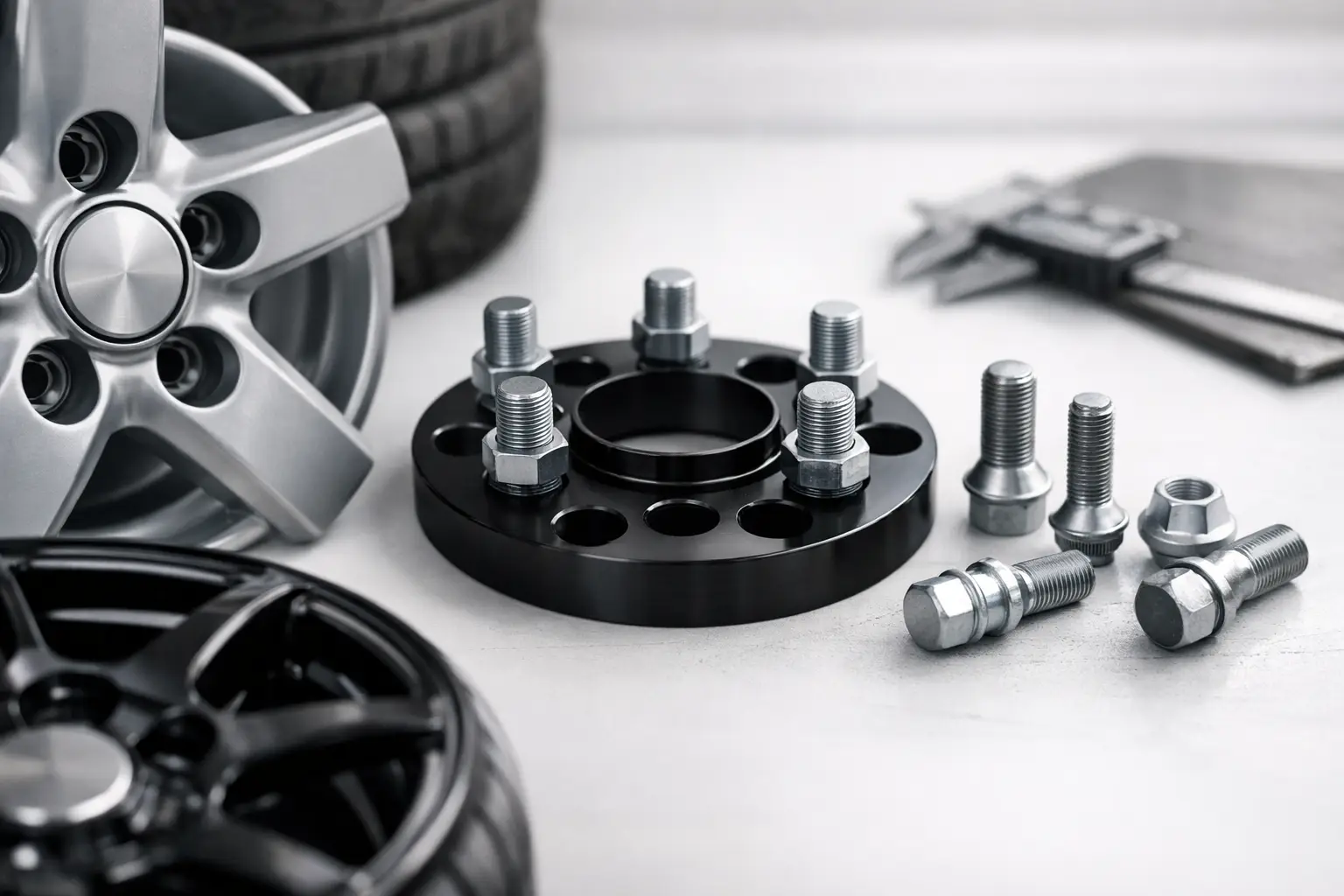
Buy the wrong wheel and you usually find out at the worst possible moment – when the car is on the ramp, the old wheel is off, and the new one will not sit where it should. This guide to wheel bolt patterns is here to stop that happening. If you are replacing a damaged alloy, upgrading the look of your car, or buying a used set, getting the bolt pattern right is non-negotiable.
A wheel can have the right diameter, the right width and even the right offset range, but if the bolt pattern is wrong it simply will not fit as intended. That sounds obvious, yet bolt pattern confusion is one of the most common causes of wheel fitment mistakes. The reason is simple enough – people often focus on size first and fitment details second.
What a wheel bolt pattern actually means
A wheel bolt pattern describes how many bolt holes the wheel has and the diameter of the circle those holes sit on. In the trade, that circle is usually called the PCD, short for pitch circle diameter. You will often see it written as something like 5×112, 5×120 or 4×100.
The first number tells you how many studs or bolts are used to secure the wheel. The second number tells you the diameter of the bolt circle in millimetres. So a 5×112 wheel has five mounting holes arranged on a 112 mm circle.
That sounds straightforward, but the detail matters. A wheel that is 5×112 is not interchangeable with 5×114.3, even though the numbers look close. In some cases a wheel may appear to line up loosely, but that does not mean it is safe, correct or suitable for use.
Guide to wheel bolt patterns: the numbers you will see most often
In the UK aftermarket, certain bolt patterns appear again and again. Many Audi, Volkswagen, Mercedes-Benz and some Skoda and SEAT models use 5×112. Many BMWs use 5×120, though not every model follows the same rule. A lot of Japanese cars use 5×114.3, while smaller hatchbacks across different brands often use 4×100.
That said, manufacturer fitment is never as simple as one pattern per brand. A single marque can use different PCDs across model ranges and generations. Even within one model line, a change in year or platform can alter the fitment. That is why guessing by badge alone is risky.
If you are buying wheels for a premium vehicle, especially from brands like BMW, Porsche, Mercedes or Range Rover, the margin for error gets smaller. Brake clearance, centre bore and load rating become just as important as the bolt pattern itself.
Bolt holes, studs and wheel bolts
Some vehicles use studs with wheel nuts. Others use wheel bolts that thread directly into the hub. From a bolt pattern point of view, that does not change the PCD. What it does change is the hardware you need and, in some cases, the seat type.
This is where people can come unstuck with aftermarket or used wheels. Even if the pattern is correct, the wrong bolts or nuts can cause poor seating and unsafe fitting. The wheel needs to match the correct hardware type, thread and seat design.
How to check your wheel bolt pattern properly
The safest way to confirm a bolt pattern is by checking the vehicle fitment data against the exact make, model, year and variant. Registration-based tools can help, but they are not perfect, especially if the car has already been modified or has a non-standard brake package.
You can also inspect the existing wheel. Many wheels have size and fitment details cast or stamped into the rear of the wheel. If the marking is still legible, this can save time. Just keep in mind that an existing wheel may not be original to the car, so it is worth cross-checking.
If you are measuring manually, accuracy matters. On a four-stud wheel, you measure from the centre of one hole to the centre of the opposite hole. On a five-stud wheel, it is less intuitive, because there is no directly opposite hole. In that case, you usually measure from the centre of one hole to the outer edge of the hole furthest across. It is easy to be a few millimetres out, which is enough to identify the wrong PCD.
For that reason, manual measuring is useful for checking, but not always the best final word. If you are spending money on a set of alloys, proper fitment confirmation is worth the extra care.
Why the bolt pattern is only part of the fitment picture
A correct PCD does not automatically mean a wheel fits the car. It only means the mounting holes are arranged correctly. You still need to account for centre bore, offset, wheel width, diameter, brake clearance and load rating.
Centre bore is the size of the hole in the middle of the wheel that locates on the hub. If the bore is too small, the wheel will not go on. If it is larger, the wheel may need spigot rings to ensure correct centring. Offset affects where the wheel sits in the arch and how it clears suspension and brakes. Get it wrong and you can end up with rubbing, poor stance, steering issues or excessive load on components.
This is why wheel fitment should be treated as a package rather than a single number. Plenty of wheels share a bolt pattern, but not all of them are suitable for your vehicle.
Common mistakes people make with bolt patterns
The first mistake is assuming close is close enough. It is not. A wheel with a similar PCD may seem almost right, but almost right is still wrong when it comes to mounting hardware.
The second is buying by appearance alone. A used wheel set might be the right size and a tempting price, but if the bolt pattern or centre bore is wrong, it is not a bargain.
The third is relying on generic fitment claims. Terms like universal fit can be misleading. In practice, proper wheel fitment is vehicle-specific.
The fourth is overlooking aftermarket adapters or wobble bolts as an easy fix. There are situations where specialised fitment solutions are used, but they are not a shortcut for every car and wheel combination. On a road car, especially one driven daily, the best answer is usually a wheel built for the correct application in the first place.
Used wheels and refurbished wheels need extra checks
Buying used wheels can make excellent sense, especially if you want an OEM look, a winter set or a cost-effective replacement. The catch is that second-hand wheels often come with incomplete background information. You may know the diameter and brand, but not whether they came from the exact model you think they did.
That is where bolt pattern checks become essential. If you are considering a used set, confirm the PCD, offset, width and centre bore before you commit. Also inspect for previous repairs, cracks, poor refurbishment work and damage around the bolt holes. A wheel that has been refurbished properly can offer good value, but it still needs to be correct for the vehicle.
When fitment gets more complicated
Performance cars, vans and vehicles with larger brake packages often leave less room for error. A wheel may match the bolt pattern and still foul the calliper. SUVs and commercial vehicles may also need wheels with the correct load capacity, which is every bit as important as physical fit.
Modified cars add another layer. Lowered suspension, big brake kits and arch changes can all affect what works. In those cases, a standard guide to wheel bolt patterns gets you part of the way, but not all the way. You need full fitment advice based on the car as it stands now, not just how it left the factory.
How to avoid buying the wrong wheels
Start with the exact vehicle details and work from verified fitment data, not assumptions. Check the current wheel markings if possible, but do not rely on them blindly. If you are comparing aftermarket options, make sure the supplier is looking at the whole fitment picture rather than just PCD and diameter.
This is especially valuable when you are choosing between multiple wheel styles that are offered in similar-looking specifications. One version may clear the brakes and sit correctly, while another may not. Good stock range matters, but expert fitment support matters just as much.
If you are local to Dorset and want the guesswork taken out, having wheels checked and fitted by a workshop that handles wheel and tyre fitment every day can save a lot of wasted time and expense.
A wheel should bolt on properly, centre correctly, clear the brakes, sit where it should and work with the right hardware. That is the standard to aim for. If you are unsure, ask before you buy – it is far easier to confirm fitment than to sort out the wrong set after they arrive.