
How to Buy New Tyres by Size

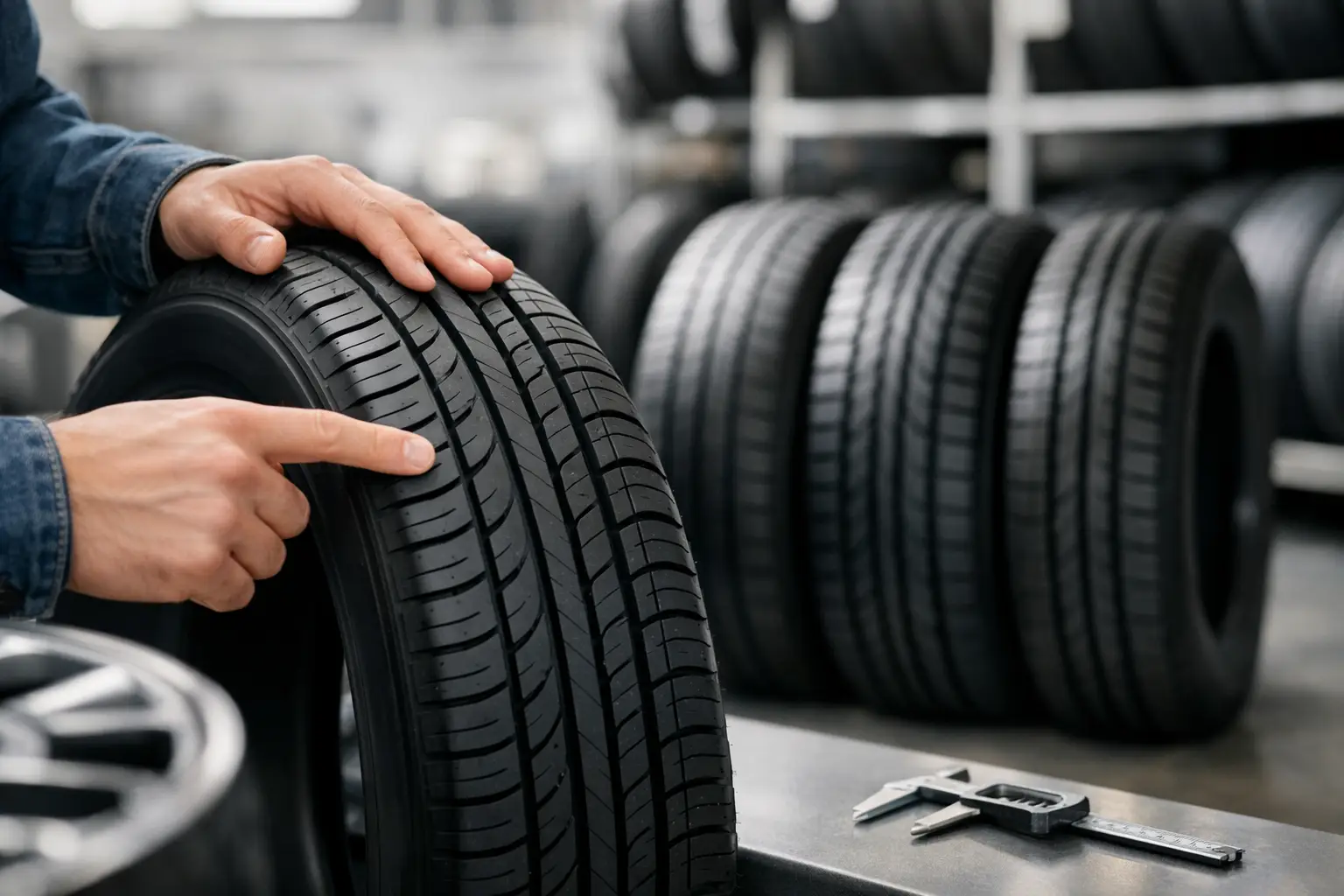
You do not need to know every tyre brand on the market to buy the right set. What you do need is the correct size, a clear idea of how you use the vehicle, and enough fitment knowledge to avoid costly mistakes. If you are shopping for new tyres by size, getting those basics right will narrow the field quickly and make the final choice much easier.
For most drivers, the tyre size is the fastest route to the right product. It cuts through hundreds of options and gets you closer to tyres that actually fit your car, van or 4×4. That matters because even small differences in width, profile or load rating can affect handling, comfort, fuel use and, most importantly, safety.
Why buying new tyres by size makes sense
Shopping by size is practical because tyre fitment is not guesswork. Every vehicle is designed around approved dimensions, load capacities and speed capabilities. Start with the size and you immediately rule out products that were never suitable in the first place.
It is also the most efficient way to buy when time matters. If one tyre is damaged or your tread is close to the legal limit, you do not want to sift through pages of unrelated stock. Entering the correct size gets you straight to available options, whether you want a budget replacement, a premium touring tyre, a van tyre with the right load index or something with sharper road performance.
That said, size is the starting point, not the whole story. Two tyres can share the same dimensions but behave very differently on the road. The best choice depends on the vehicle, the mileage you cover and whether you value longevity, refinement, wet grip or price above all else.
What the tyre size actually means
If you have ever looked at the sidewall and seen something like 225/45 R17 94Y, that single line tells you most of what you need to know.
The first number, 225, is the tyre width in millimetres. The second, 45, is the aspect ratio, meaning the sidewall height as a percentage of the width. R17 shows that it is a radial tyre for a 17-inch wheel. After that, 94 is the load index and Y is the speed rating.
Those final figures are just as important as the main size. A tyre may physically fit the wheel but still be wrong for the vehicle if the load index is too low or the speed rating does not meet the manufacturer requirement. This is especially relevant for heavier SUVs, performance saloons and commercial vehicles, where carrying capacity and heat tolerance matter much more.
Where to find the correct size
The sidewall of your current tyre is the obvious place to look, but it is not the only one. You may also find the approved fitment in the driver’s door shut, fuel flap or owner’s handbook. If the car has had aftermarket wheels fitted, checking the existing tyre alone is not always enough. The current setup may not be the original specification, so it is worth confirming what is actually approved for the vehicle.
This is where a specialist supplier can save you time. If you are unsure whether the fitted size is standard, staggered or part of an upgrade package, getting proper fitment advice is better than ordering on assumption.
New tyres by size – what to check before you buy
Once you have the size, the next step is filtering the choices properly. Price matters, of course, but tyres are not all doing the same job.
A motorway commuter covering big weekly mileage usually wants low noise, decent wear and strong wet-weather confidence. A driver with a performance BMW, Audi or Porsche may put more value on steering response, sidewall support and grip under load. A van owner may be less concerned with refinement and more focused on durability and the correct commercial rating.
Season matters too. In the UK, many drivers stay on summer tyres year-round, which is fine for typical conditions, but not always ideal. If the vehicle sees regular early starts, rural roads or colder weather, it may be worth considering how the compound performs outside warm dry conditions. The right size with the wrong use case can still be the wrong tyre.
Premium, mid-range or budget?
There is no single right answer here. Premium tyres often offer better wet grip, lower road noise and more consistent performance as they wear, but they come at a higher cost. Mid-range options can be an excellent balance for everyday driving, especially if you want dependable performance without paying top-tier prices. Budget tyres have their place too, particularly on older vehicles where cost control is the main priority, but the trade-off is often in refinement, grip or wear characteristics.
The sensible approach is to be honest about the vehicle and how you drive it. Fitting a premium tyre to a lightly used second car may be unnecessary. Equally, choosing the cheapest option for a powerful daily driver can be a false economy if it compromises braking or wears out too quickly.
Getting fitment right on upgraded wheels
Buying new tyres by size becomes more technical when the vehicle is not running standard wheels. Enthusiast cars, refurbished alloys and manufacturer-specific upgrades often introduce different widths, offsets and staggered setups.
A staggered fitment, for example, means the front and rear tyres are different sizes. This is common on performance cars and some premium models. In that case, ordering four tyres in one size is an easy mistake to make. You also need to be aware of extra load markings, run-flat requirements and whether the vehicle has tyre pressure monitoring considerations tied to the setup.
If the car has been modified, the best tyre on paper may not be the best tyre in practice. Lower profile tyres can sharpen response, but they may also make the ride firmer and increase the risk of wheel damage on poor roads. Wider tyres can add grip, but not always if the wheel width or alignment is not right. Good fitment advice makes the difference between a setup that looks good and one that works properly.
Why availability matters when buying by size
One of the biggest frustrations for tyre buyers is finding the exact size they need, only to discover limited choice or long lead times. This is particularly common with less common commercial sizes, premium manufacturer fitments and specialist performance dimensions.
That is why stock depth matters. A supplier with a wide catalogue can offer proper comparison within the correct size rather than steering you towards whatever happens to be available. It also helps when you need a matching pair or a full set at short notice. Consistency across an axle is important, and mixing patterns or performance levels is rarely ideal unless there is no realistic alternative.
For local customers, fitting support is just as important as stock. Buying tyres and then having to arrange installation elsewhere adds time, uncertainty and another layer of cost. A combined supply-and-fit service keeps the process simple and reduces the chance of errors between purchase and fitting.
Common mistakes when ordering new tyres by size
The most common mistake is reading the size incorrectly. A 225/40 R18 is not close enough to a 225/45 R18 to treat them as interchangeable. The difference affects rolling radius, ride height and potentially speedometer accuracy.
Another mistake is ignoring the load index and speed rating. This tends to happen when buyers focus only on width, profile and wheel diameter. On heavier vehicles, that can create a real problem. A tyre must meet or exceed the required rating.
It is also easy to overlook whether the car needs run-flat tyres. Some vehicles are designed around them, while others can be converted, but it is not something to change casually without understanding the implications for ride, handling and puncture support.
Then there is brand mixing. Replacing one damaged tyre with a completely different pattern from the rest might get you moving again, but it is not the ideal long-term setup. Where possible, match tyres across the axle and keep the overall specification consistent.
When expert advice is worth having
Not every tyre purchase needs a long consultation. If your car is on a standard setup, your current tyres are correct and you simply want a like-for-like replacement, buying by size is straightforward.
Advice becomes more valuable when the vehicle has non-standard wheels, unusual fitments, performance requirements or mixed usage. The same applies if you are balancing cost against quality and want to know where spending more actually makes a difference. A knowledgeable tyre specialist can usually spot issues quickly – whether that is the wrong load rating, an overlooked run-flat fitment or a wheel and tyre combination that does not suit the vehicle.
At The Tyre Barn, that practical side of tyre buying matters just as much as stock. Having plenty of choice is useful, but only if the tyres are right for the car and fitted properly.
The easiest tyre search is the one that starts with the correct size and ends with confidence. If you know what is on the sidewall and understand how the vehicle is used, you are already most of the way there. And if anything about the fitment looks unclear, it is worth checking before you buy – because the right tyre should do more than fit the wheel, it should suit the vehicle and the way you drive it.