
Choosing Wheels for Audi A4 That Fit Properly

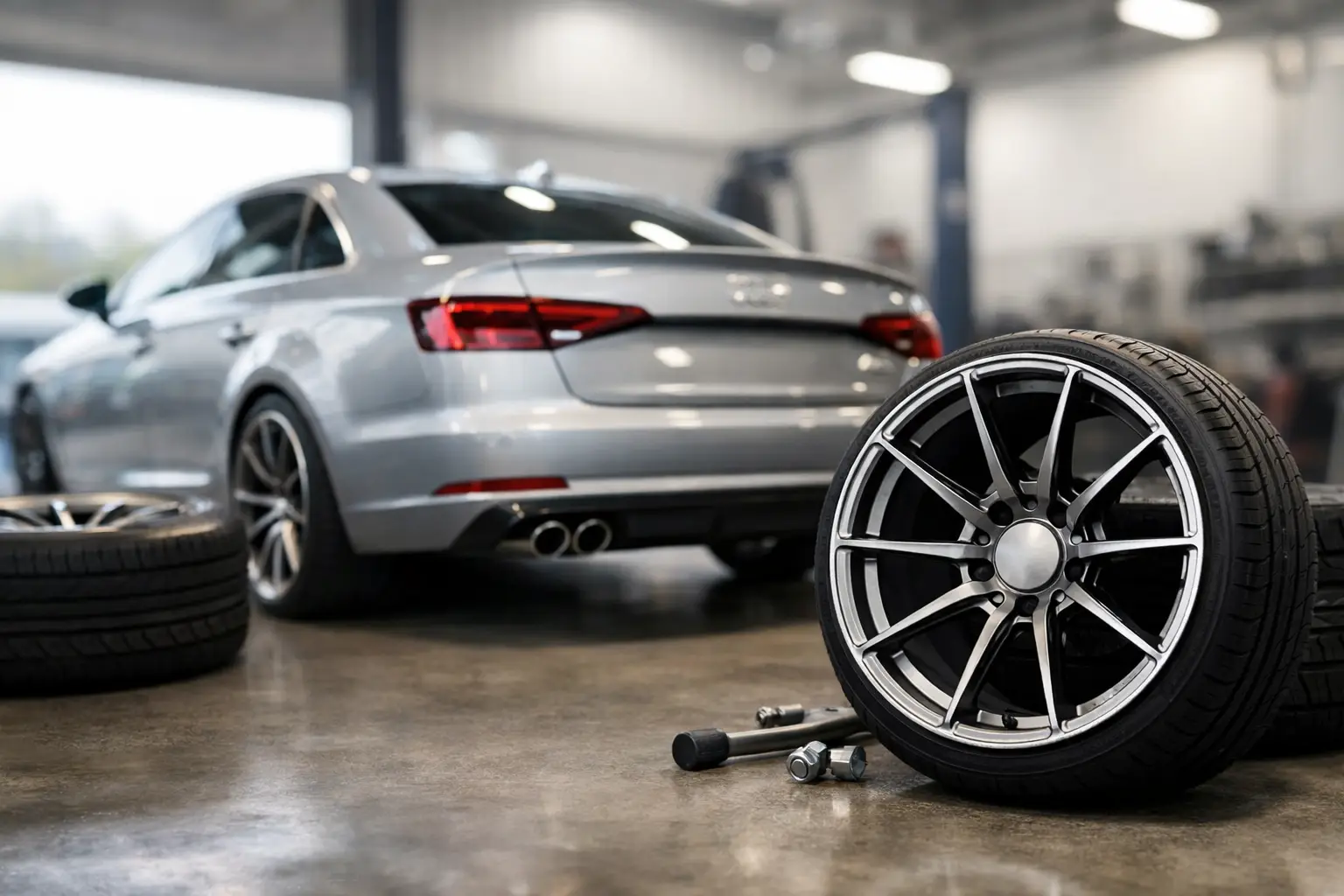
A set of wheels can make an Audi A4 look sharper, more purposeful or properly individual. But wheels for Audi A4 need to do more than suit the car visually. The wrong offset, centre bore or tyre size can cause rubbing, poor steering feel, clearance issues or an MOT headache. Getting the fitment right first means you can choose the finish, design and budget with confidence.
Start with your exact Audi A4 model
The A4 has been through several generations, and wheel fitment is not identical across every model. A wheel that fits an earlier B6 or B7 A4 may not be the correct choice for a B8, B9, Avant, quattro or S line model. Brake sizes, suspension setup, standard wheel widths and arch clearances can all vary.
Before buying, establish the vehicle registration, model year, engine, drivetrain and current wheel specification. The information stamped on the inside of an existing alloy is useful too. It will usually show the diameter, width, offset and sometimes the part number.
Factory wheels are a sensible starting point because Audi has already balanced clearance, handling and load capacity. That does not mean you have to stay with an original design. It simply gives you a reliable reference when considering used wheels, aftermarket alloys or a larger diameter.
Audi A4 wheel fitment: the details that matter
A wheel can look almost right and still be unsuitable. There are four measurements to check before focusing on spoke design or colour.
PCD and bolt pattern
Most Audi A4 models use a 5×112 PCD. This means five wheel bolts arranged on a 112mm pitch circle. It is a common fitment across the Volkswagen Audi Group, but a matching PCD alone does not make a wheel suitable.
Do not rely on the fact that a wheel came from another Audi, Volkswagen, Mercedes or Skoda. Offset, centre bore, bolt-seat type and load rating must still be checked. Never force a wheel onto the hub or use incorrect bolts to make a near-match fit.
Centre bore and hub fitment
The centre bore is the hole in the middle of the wheel that locates it on the hub. Some A4 generations use different hub bore sizes, so this needs checking against the vehicle rather than assumed from the badge.
A hub-centric fit is the preferred setup. If an aftermarket wheel has a larger centre bore, correctly sized spigot rings can centre it on the hub. A wheel with a bore that is too small will not fit safely. Proper location matters because the wheel bolts are designed to clamp the wheel, not compensate for a poorly centred wheel.
Offset, or ET
Offset is one of the most important figures when selecting wheels for an Audi A4. It is usually marked as ET followed by a number, such as ET35, ET40 or ET45. In simple terms, offset affects how far the wheel sits in or out from the hub.
A lower ET number pushes the wheel further towards the arch. This can create a wider, more aggressive stance, but it also increases the risk of tyre contact with the arch liner or bodywork when steering and suspension travel are taken into account. A higher ET moves the wheel inward, where it may contact suspension components or brake hardware.
Wheel width changes the equation as well. An 8.5J wheel at the same offset as an 8J wheel will sit differently because the extra width is shared across both sides of the wheel. That is why offset should never be considered on its own.
Diameter, width and brake clearance
Common Audi A4 wheel sizes include 17, 18, 19 and 20 inches. The best option depends on the generation, trim level, roads you use and the result you want.
A 17-inch wheel with a taller tyre sidewall is often the most comfortable and practical option, particularly on rougher Dorset roads or for higher-mileage driving. An 18-inch setup is a strong all-round choice, offering a more substantial appearance without sacrificing too much tyre protection. Nineteen-inch wheels can look excellent on S line and black edition cars, although the lower-profile tyres are more exposed to pothole damage and usually cost more to replace.
Larger wheels must also clear the brakes. This is particularly relevant on models with upgraded brakes, performance derivatives and cars fitted with non-standard calipers. The diameter may clear the disc but the spoke shape can still foul the caliper, so a test fit or confirmed application is worthwhile.
Choose a wheel size for how you use the car
There is no single best wheel size for every A4 owner. The right choice depends on whether the car is a daily commuter, family Avant, long-distance motorway car or a weekend project.
For everyday use, staying close to the manufacturer’s original rolling radius is usually the best route. It helps preserve speedometer accuracy, gearing, ABS operation and predictable handling. If you increase wheel diameter, tyre profile normally needs to reduce to keep the overall rolling circumference close to standard.
A wider wheel and tyre can improve steering response and dry-road grip, but there are trade-offs. Wider tyres may tramline more on worn road surfaces, can be less effective in standing water and may make the steering feel heavier. They can also add tyre cost without delivering a noticeable benefit on a standard road car.
quattro owners should be especially careful with tyre sizing and wear. All four tyres should be closely matched in size, construction and tread depth. Significant differences in rolling circumference can place unnecessary strain on the drivetrain.
New, used or refurbished alloys?
New aftermarket wheels give you the broadest choice of design, finish and size. They are ideal when you want a particular look or a complete change from the factory setup. Choose wheels from a reputable manufacturer with a suitable load rating for the A4, and make sure bolts, centre caps and spigot rings are specified correctly.
Used genuine Audi wheels can offer excellent value. Original alloys are generally built to suit the vehicle’s weight, brakes and geometry, and there are plenty of attractive factory designs available. Check every used wheel carefully for weld repairs, cracks, buckles, corrosion around the bead seat and damage to bolt holes. Cosmetic kerb marks are one thing; structural damage is another.
Refurbishment makes sense when the existing wheels are fundamentally sound but tired. A proper refurbishment can deal with kerbing, flaking lacquer and corrosion, bringing a good OEM set back to life. It is often a better investment than replacing a quality set of factory alloys with poorly matched alternatives.
Tyres complete the setup
A wheel change is also a tyre decision. Tyre width, profile, load index and speed rating need to suit both the wheel and the car. Fitting a tyre that is too narrow or too wide for the rim affects how the sidewall sits, while an unsuitable load rating is not acceptable for a heavier A4 Avant or a car that regularly carries passengers and luggage.
The visual result matters, but so does real-world use. A stretched tyre look may appeal to some owners, yet it offers less rim protection and is rarely the practical choice for a daily-driven premium saloon. A correctly matched tyre provides better support, safer handling and a cleaner finished appearance.
After fitting, wheel bolts should be tightened to the manufacturer’s specified torque and checked again after the initial bedding-in period. If the wheels or tyres are changed significantly, alignment is worth checking too. Uneven tyre wear can quickly spoil the benefit of a fresh set of alloys.
Get fitment checked before ordering
The quickest way to avoid costly mistakes is to confirm the full specification before a purchase is made: PCD, centre bore, width, diameter, ET, tyre size, load rating and brake clearance. This is particularly valuable when buying used wheels or moving away from the factory specification.
At The Tyre Barn, that check can be paired with practical fitting support in Wimborne, so the wheels, tyres and hardware can be considered as one setup rather than separate purchases. A well-chosen set should look right on the driveway, feel right on the road and leave enough margin for the roads you actually drive.