
Buying New Tyres Size 15 Without Guesswork

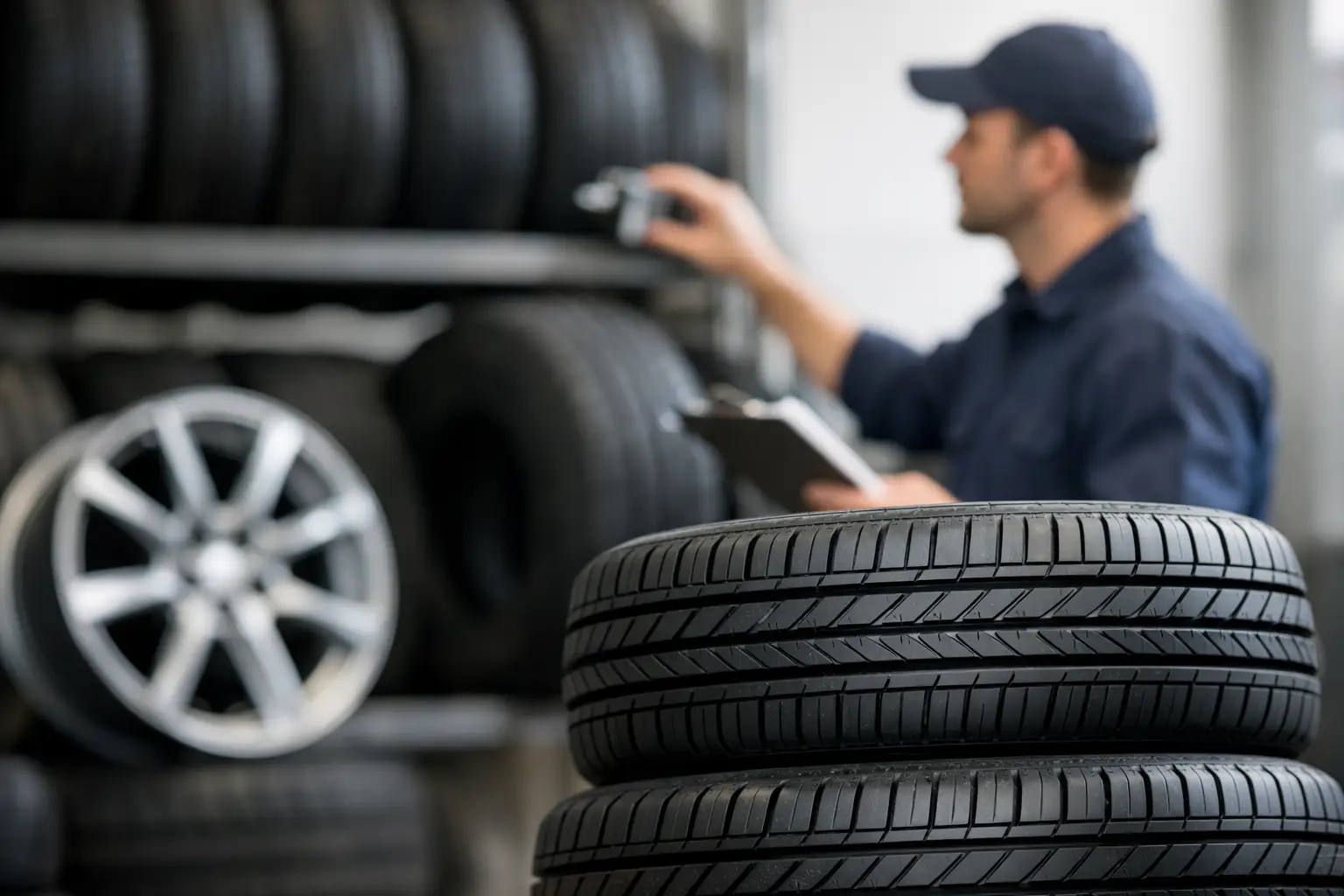
If your car needs new tyres size 15, the first thing to know is that “15” on its own is only part of the story. It tells you the wheel diameter, not the full tyre size. A 15-inch wheel might take 195/65 R15, 205/60 R15, 185/55 R15 or several other sizes, and fitting the wrong one can affect handling, speedometer accuracy and clearance.
That is where many buyers come unstuck. They search by the wheel diameter, see plenty of options, and assume any 15-inch tyre will do. In practice, proper fitment comes down to the full size, the load index, the speed rating and how you actually use the vehicle. Get those right and the buying process is straightforward.
What “new tyres size 15” really means
When people ask for new tyres size 15, they usually mean tyres for 15-inch wheels. The full size is written on the tyre sidewall in a format such as 195/65 R15 91H. Each part matters.
The first number is the tyre width in millimetres. The second is the profile, or sidewall height as a percentage of the width. “R” means radial construction, which is standard on modern road cars. The 15 is the wheel diameter in inches. After that, you will see the load index and speed rating, which tell you how much weight the tyre can carry and the maximum speed it is designed for.
If you only match the 15 and ignore the rest, you are not really matching the tyre. That is why checking the sidewall of your existing tyre, your fuel flap sticker or the vehicle handbook matters before you order anything.
How to choose new tyres size 15 correctly
The simplest route is to start with the exact tyre size already approved for your vehicle. If the car has been running the correct size and the wheels are original, that is normally the safest choice. It keeps the rolling radius where it should be and avoids rubbing issues on full lock or over bumps.
There are cases where an alternative size is acceptable, especially on different wheel trims or manufacturer-approved fitments, but this is not something to guess at. Some models are supplied with multiple tyre sizes depending on engine, trim level or wheel package. The right answer depends on the specific vehicle, not just the badge on the bonnet.
Load and speed ratings are just as important. Dropping below the vehicle requirement is not worth the risk. You may see a cheaper option that looks close enough, but if the rating is lower than specified, it is the wrong tyre. Going higher can be fine, but the tyre still needs to suit the car and the way it is driven.
Budget, mid-range or premium?
This is usually the real buying decision once fitment is confirmed. Most 15-inch tyre buyers are balancing price, mileage and everyday road manners rather than chasing lap times. That said, there is a noticeable difference between the lower end of the market and established premium brands.
Budget tyres can make sense on older cars, lower annual mileage or vehicles used mainly for local driving. The attraction is obvious – lower upfront cost. The trade-off is usually in wet grip, road noise, braking performance and overall consistency. Some budget tyres are perfectly serviceable, but quality varies more from one brand to another.
Mid-range tyres are often the sweet spot for many drivers. They tend to offer stronger all-round performance without the highest premium price tag. For family hatchbacks, saloons and small SUVs on 15-inch wheels, this category is often where value and confidence meet.
Premium tyres generally deliver the best wet braking, refinement and longevity, especially on higher-mileage vehicles. They also tend to hold their performance better as they wear. If you spend a lot of time on the motorway, carry passengers regularly or simply want the best available option for the size, premium is easier to justify.
The everyday factors that matter most
Tyre buying gets easier when you focus on how the car is actually used. A commuter doing motorway miles has different priorities from a second car used for school runs and shopping.
For most drivers shopping for 15-inch tyres, wet grip should be near the top of the list. UK roads are not short on rain, standing water or greasy roundabouts. A tyre that performs well in the wet is not a luxury – it is part of everyday safety.
Noise and comfort also matter more than people expect. Smaller wheel sizes like 15-inch often ride better than larger, lower-profile setups anyway, but tyre design still makes a difference. Some tyres are notably quieter and less harsh over broken road surfaces.
Mileage is another factor worth considering, especially if you cover big annual distances. A cheap tyre that wears quickly is not always cheap in real terms. On the other hand, if the car only does a few thousand miles a year, ageing may become a factor before tread wear does, which changes the value calculation.
New tyres size 15 for different vehicle types
A 15-inch tyre can sit on a wide range of vehicles, from compact hatchbacks to vans and some older executive models. That is why context matters.
On small and medium cars, the aim is usually dependable all-weather road performance at a sensible price. On a van or light commercial vehicle, load capacity becomes more critical, and you may need a reinforced or commercial-spec tyre rather than a standard passenger fitment. On enthusiast cars or older performance models running 15-inch wheels, availability can be more specific, especially if you want a tyre that preserves the original feel of the car.
This is also where pattern choice matters. Some drivers want a tyre that is simply quiet and durable. Others care more about steering feel, sidewall support and response. Neither approach is wrong, but they do lead to different recommendations.
Common mistakes when buying 15-inch tyres
The most common mistake is buying by diameter alone. As already covered, “R15” is not a complete size.
The second is mixing tyres badly across an axle. If two front tyres or two rear tyres need replacing, matching make and pattern on the same axle is usually the best approach for balanced handling and braking. Mixing can work in some situations, but it is not ideal if it can be avoided.
Another mistake is ignoring tyre age and condition on the remaining pair. If one axle has plenty of tread but the tyres are old, cracked or poor quality, replacing only the most worn pair may not be the smartest decision.
Then there is chasing the cheapest possible option without checking ratings, brand reputation or intended use. Price matters, of course, but so does trust in what is actually being fitted to the car.
Fitting, balancing and alignment still matter
Even the right tyre will disappoint if it is fitted badly or installed on a wheel with underlying issues. Proper balancing helps avoid vibration, and valves should be checked or replaced as needed. If the old tyres have worn unevenly, alignment should be looked at rather than ignored.
Uneven shoulder wear, feathering or rapid wear on one edge often points to geometry problems. Fit a fresh pair of tyres without correcting the cause and you can burn through them faster than expected. That is one reason many drivers prefer buying from a supplier that can handle both stock and workshop fitting in one place.
If your wheels are corroded, bent or leaking around the bead, tyre replacement is also a good time to inspect them properly. On some vehicles, especially where alloy wheels have seen a few winters, the wheel condition affects how well the tyre seals and how smoothly everything runs.
When expert advice saves time
There are plenty of cases where the answer is obvious once the size is checked. There are also plenty where it is not. Cars with non-standard wheels, mixed fitments, older manufacturer specifications or commercial use often need a closer look.
That is where a specialist supplier earns their keep. A business with broad stock and fitment knowledge can tell you whether you are comparing like for like, whether a certain tyre is suitable for your vehicle, and whether there is a better option based on your mileage and budget. For local drivers in Dorset, having that backed up by on-site fitting makes the process even simpler.
The Tyre Barn deals with this sort of fitment question every day, which is often the difference between buying quickly and buying correctly.
What to do before you order
Check the full size on your current tyre, not just the 15. Confirm the load and speed rating. Think honestly about your driving – mostly town, mixed use, motorway, heavier loads or enthusiastic weekend driving. Then compare tyres that actually match that use case rather than only sorting by lowest price.
If you are unsure whether your current setup is correct, ask before ordering. It is much easier to confirm fitment at the start than to sort out the wrong tyres later.
A good set of 15-inch tyres should make the car feel settled, predictable and quiet enough that you stop thinking about them. That is usually the clearest sign you chose well.