
How to Buy Used Wheels Without Fitment Problems

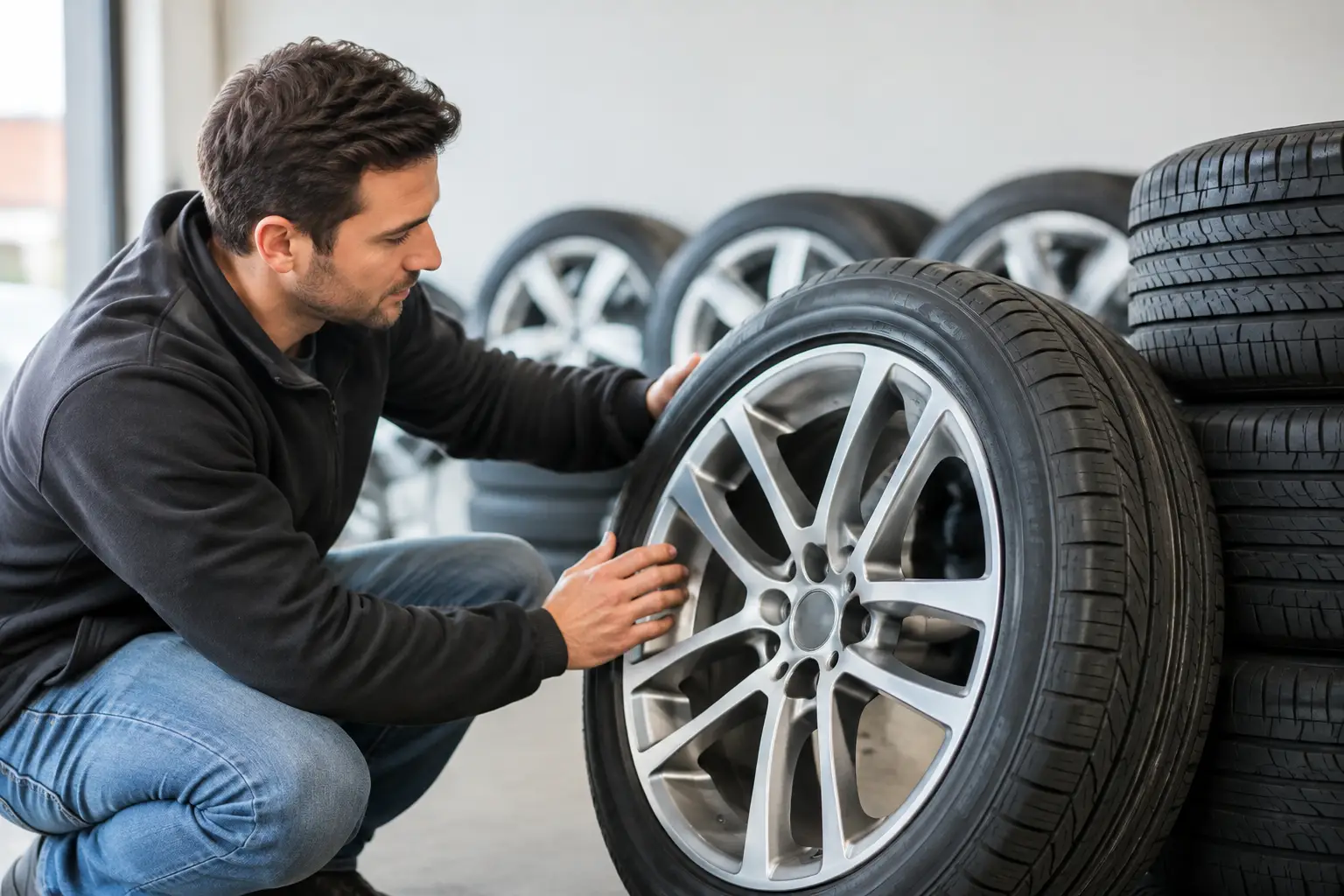
A set of wheels can transform how a car looks, but a bargain quickly becomes expensive if the rims foul the brakes, vibrate at speed or simply do not fit the hubs. Used wheels are often an excellent route to genuine manufacturer alloys, desirable discontinued designs or a practical replacement for damaged rims. The key is treating fitment and condition as seriously as the price.
For everyday cars, premium marques and performance builds alike, the wheel must suit the vehicle rather than just look right in a photograph. Correct dimensions, sound structure and proper fitting make the difference between a worthwhile purchase and four costly ornaments.
Why used wheels can be a sensible purchase
Buying second-hand can give you access to original equipment wheels that would cost considerably more new, particularly for Audi, BMW, Mercedes, Porsche and Range Rover applications. Genuine wheels are designed around a specific vehicle’s hub, brake package, load requirement and suspension geometry. That does not mean every original wheel will suit every model in a manufacturer’s range, but it is a strong starting point when the part number and fitment are confirmed.
Used alloy wheels can also make sense when you need a matching replacement after kerb damage or a pothole impact. Rather than replacing a complete set, it may be possible to source one wheel in the correct design, size and finish. Enthusiasts may also prefer a separate winter set or a second set for road and track use.
The trade-off is that condition varies. Paintwork can be repaired; structural damage requires far more careful judgement. A clean-looking wheel is not automatically a straight, safe wheel, and a wheel with cosmetic marks is not necessarily a poor buy. Look beyond the finish.
Used wheels: get the fitment right first
The details stamped on the back of a wheel matter more than its diameter. A 19-inch wheel, for example, may fit several vehicles in principle while having the wrong bolt pattern, centre bore or offset for yours. Confirm the specification before arranging delivery or fitting.
Diameter and width
Wheel diameter is measured in inches and determines which tyre sizes can be fitted. Width affects the suitable tyre width, sidewall profile, inner clearance and the position of the outer rim in the arch. A wider wheel is not always better. It may demand a different tyre size, reduce clearance on full lock or alter the way the car follows uneven road surfaces.
Check the wheel width and diameter against the approved sizes for your exact vehicle. If you are changing from the factory specification, make sure the overall rolling radius remains suitably close to standard. A substantial difference can affect speedometer accuracy, gearing, ABS and stability-control calibration.
PCD, centre bore and wheel bolts
PCD means pitch circle diameter. It describes the number of wheel bolts and the circle on which they sit, such as 5×112 or 5×120. A wheel with the wrong PCD is not a near match. It is the wrong wheel.
The centre bore is equally important. Ideally, the wheel should locate centrally on the vehicle hub. Wheels with a larger centre bore can sometimes be used with correctly sized spigot rings, but a bore that is too small cannot be made to fit safely. You must also confirm whether the wheel requires ball-seat, taper-seat or another style of wheel bolt or nut. Using the wrong seat can prevent the wheel from clamping correctly.
Offset and brake clearance
Offset, usually marked ET followed by a number, describes where the wheel sits in relation to its mounting face. Even a modest change can move the wheel further into the suspension or further towards the arch. This can create clearance issues with springs, dampers, brake calipers or bodywork.
Brake clearance deserves a proper check on vehicles with larger factory brakes or aftermarket brake upgrades. Two wheels of the same diameter and width may have very different spoke shapes. One can clear the caliper easily while the other contacts it. Never assume a wheel fits solely because it came from a similar model.
Load rating and approved applications
A wheel needs to carry the axle loads of the vehicle. This is particularly relevant for SUVs, electric vehicles, vans and performance models, where vehicle weight can be higher than expected. Confirm the wheel’s load rating and intended application rather than fitting a lighter-duty wheel because its dimensions appear correct.
If you are unsure about an original equipment part number, an experienced wheel supplier can identify the application before you commit. That is often quicker and cheaper than correcting a fitment mistake later.
How to assess condition before buying
Photographs are useful, but they cannot prove that a wheel runs true. Ask direct questions about repairs, buckling, cracks and previous use, then inspect the wheel in person where possible. If buying remotely, request clear images of the front, rear, inner barrel, mounting face and any marked areas.
Kerbing, lacquer peel and corrosion are common on used alloys. These are usually cosmetic issues and can often be addressed through professional wheel refurbishment. Corrosion around the bead seat deserves closer attention because it may lead to gradual air loss. The tyre must seal evenly against a clean, sound rim.
Cracks, especially around the spokes, bolt holes and inner barrel, are a different matter. A crack may be visible only from the back of the wheel, so do not inspect the face alone. Previous weld repairs should always be declared and assessed carefully. Their suitability depends on the location, quality of the repair and the wheel’s intended use. For a road car, confidence in structural integrity should come before the saving.
Buckling is another frequent issue after pothole strikes. A wheel can appear tidy while being slightly out of round. Signs include repeated vibration, difficulty balancing the wheel or uneven tyre wear. A workshop check on appropriate equipment is the most reliable way to identify run-out.
Before paying, work through these practical checks:
- Confirm the exact diameter, width, PCD, centre bore, offset and load rating.
- Inspect both sides for cracks, corrosion, flat spots, distortion and poor repairs.
- Check that the wheels are a matching set, including design, size and offset.
- Establish whether wheel bolts, centre caps, spigot rings and TPMS sensors are included.
- If tyres are fitted, assess them as separate items rather than treating them as a free extra.
Be realistic about tyres supplied with the wheels
A used wheel and tyre package can be convenient, but the tyres deserve the same scrutiny as the rims. Measure tread depth across the full width, not just the most visible area. Uneven inner-edge wear can indicate poor alignment, worn suspension components or a tyre that has spent time underinflated.
Read the DOT date code to establish tyre age. A tyre may show reasonable tread yet be old enough for the rubber to have hardened or deteriorated. Check for sidewall damage, cracking, bulges, puncture repairs and mismatched tyre types across an axle. On performance cars and four-wheel-drive systems, differing rolling circumferences can cause handling issues and, in some cases, strain drivetrain components.
If the tyres are near the end of their useful life, price the wheels as wheels only. This avoids paying extra for tyres you will need to replace immediately. It can also be the right moment to choose tyres that match how you actually use the vehicle, whether that is daily commuting, motorway mileage, towing or spirited weekend driving.
Factor refurbishment into the real cost
Refurbishment can be a sensible way to bring sound wheels back to a high standard. It is particularly worthwhile for desirable genuine alloys with kerb damage, faded paint or lacquer failure. However, compare the full cost: purchase price, collection or delivery, refurbishment, tyres, valves or TPMS service kits, balancing and fitting.
A cheap set may stop being cheap once all of that is added. Equally, a structurally sound set with tired paint can be better value than a cosmetically smart set with hidden damage. Decide whether you want a presentable daily-driver finish, a close match to an original factory colour or a complete colour change, as the process and price can differ.
Have the wheels fitted and checked properly
Once the correct wheels are in hand, fitting is not just a matter of tightening bolts. The mounting faces must be clean, tyres should be fitted without damaging the rims, and each assembly needs accurate balancing. The correct bolts or nuts must be used and tightened to the vehicle manufacturer’s specified torque.
After fitting, turn the steering from lock to lock and check clearance where practical. A road test can reveal vibration or rubbing that is not obvious on the ramp. If new tyres have been fitted or the previous tyres show irregular wear, wheel alignment is also worth considering. Alignment will not cure a bent wheel, but it can protect a sound new setup from rapid tyre wear.
For drivers in Dorset, The Tyre Barn can check the fitment, condition and practical requirements before fitting, helping avoid the common problem of buying wheels that are almost right but not quite compatible.
The best used-wheel purchase is rarely the cheapest advert you see. It is the set with proven fitment, honest condition and a clear plan for tyres, fitting and finishing. Take the specifications seriously, inspect what cannot be seen from the front of the wheel, and you can buy with confidence rather than hoping the details work out on the day.