
How to Choose a New Tyre Size 17

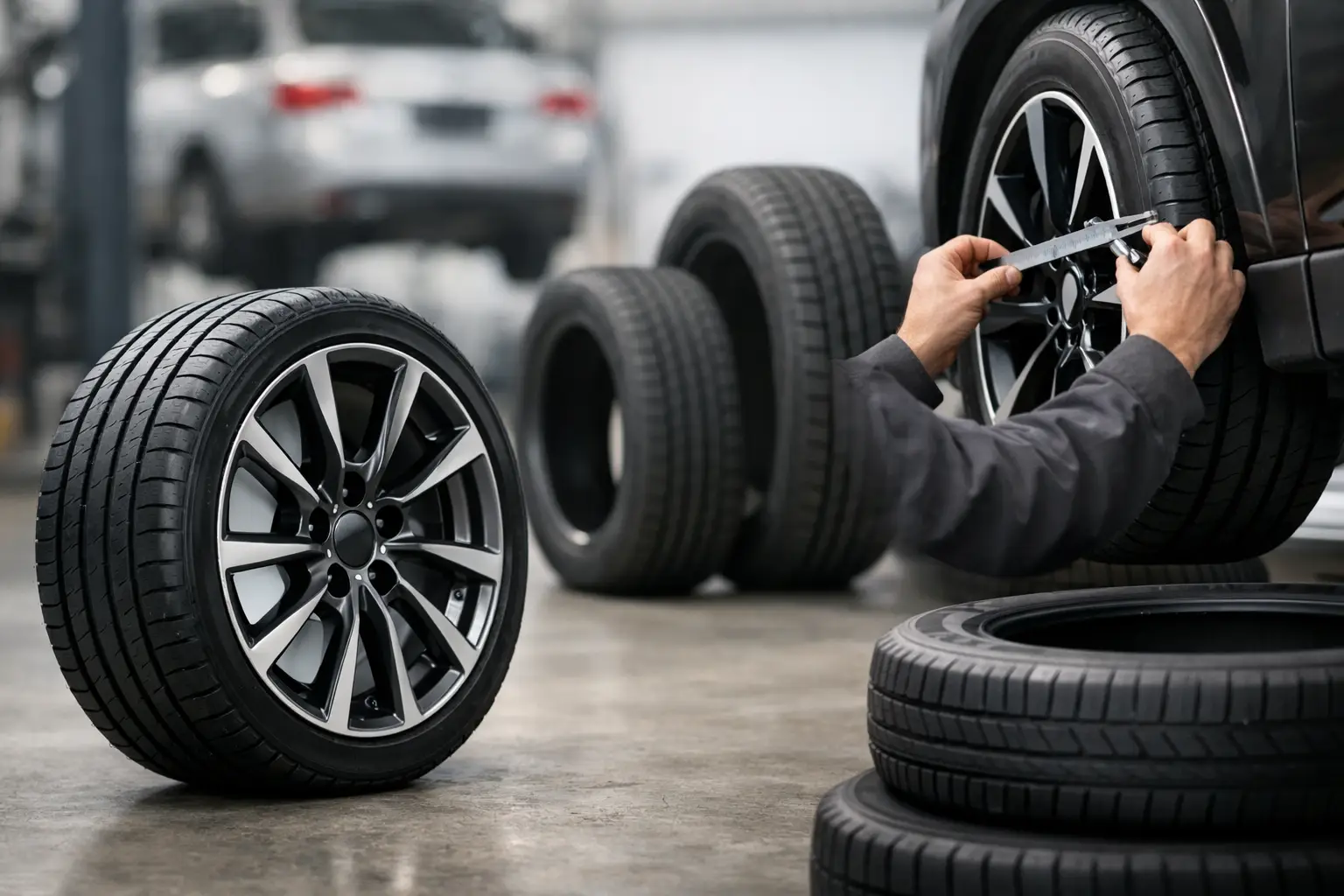
A customer asking for a new tyre size 17 is usually talking about one thing – they know the wheel diameter, but the rest of the fitment still needs to be pinned down properly. That matters, because a 17-inch tyre is not one size. There are dozens of options in 17-inch fitments, and the right one depends on your vehicle, load rating, speed rating, wheel width and how the car is actually used.
If you get that wrong, you can end up with rubbing, vague steering, poor ride quality or a tyre that simply should not be on the vehicle. If you get it right, the car feels planted, predictable and properly sorted.
What a new tyre size 17 actually means
When someone says they need a new tyre size 17, the 17 refers to the wheel diameter in inches. It does not tell you the full tyre size on its own. A complete size might be 225/45 R17, 205/50 R17 or 245/65 R17. Each of those tyres fits a 17-inch wheel, but they are very different in width, sidewall height and intended application.
The first number is the tyre width in millimetres. The second is the aspect ratio, which is the sidewall height as a percentage of the width. The R means radial construction, and the final number is the wheel diameter. After that, you will usually see a load index and speed rating, such as 94W or 98Y, which are just as important as the size itself.
This is where many buyers get caught out. They search by diameter only, see a 17-inch tyre and assume it will fit. In practice, fitment needs to match the vehicle manufacturer recommendation unless you are making a planned wheel and tyre change with the correct supporting measurements.
Why 17-inch tyres are so common
Seventeen-inch fitments sit in a useful middle ground. On many hatchbacks, saloons, estates and SUVs, they offer a better balance than smaller or larger setups. You often get sharper steering than a 15 or 16-inch fitment, but without the harsher ride that can come with very low-profile 18, 19 or 20-inch tyres.
That is one reason 17-inch tyres are popular across so many makes. They suit everyday commuting, motorway use and spirited road driving without pushing too far towards either comfort or outright looks. On some cars they are the standard factory option, while on others they are a sensible upgrade from smaller wheels.
Still, there is no single best answer. A 17-inch setup that works brilliantly on a BMW 3 Series will not necessarily suit a van, a hot hatch or a Range Rover. The tyre needs to match the vehicle as well as the wheel.
How to identify the correct new tyre size 17
The quickest place to check is the sidewall of the tyre already fitted, provided the current setup is correct. You can also check the vehicle handbook, door shut sticker or manufacturer data. If the vehicle has had aftermarket wheels fitted, it is worth verifying the size rather than assuming the current tyres are right.
A proper check should cover more than width and profile. You want to confirm the load index, speed rating and whether the vehicle needs an XL tyre, a run-flat tyre or a specific marked fitment for certain manufacturers. Premium vehicles in particular can be more sensitive to tyre specification than people expect.
For example, an Audi, BMW or Mercedes may have very specific requirements depending on suspension setup, original equipment standards and wheel width. SUVs and heavier vehicles can also need higher load ratings that look easy to overlook if you are only focused on the main size number.
That is why a registration check or a full fitment check is often the safest route. It removes guesswork and helps make sure the replacement tyre suits the car, not just the rim diameter.
New tyre size 17 options and trade-offs
Once the correct size is confirmed, the next decision is usually about tyre type rather than size alone. This is where the choice becomes more interesting, because not every 17-inch tyre is built for the same priorities.
If you do high motorway mileage, you may want something quieter with strong wet grip and decent longevity. If the car is mainly for short local trips, value and all-weather confidence may matter more. If you drive an enthusiast car, steering response and sidewall stability may take priority over ride comfort.
There is always a trade-off. A very sporty tyre can feel excellent in dry conditions but wear faster and cost more. A budget tyre may keep initial costs down, but can give away performance in wet braking, road noise and consistency. A more touring-focused tyre might ride better, but feel softer when pushed hard.
This is where expert advice helps. Two tyres in the same 17-inch size can behave very differently on the road, and the best option depends on your budget, the vehicle and how you use it week to week.
Should you change size when buying a new tyre size 17?
Sometimes drivers asking for a new tyre size 17 are really asking whether they can alter the width or profile while keeping the same wheel diameter. The answer is: sometimes, but only if the change is properly calculated and appropriate for the wheel and vehicle.
A different width can alter the contact patch, steering feel and rim protection. A different profile can affect rolling radius, speedometer accuracy and arch clearance. Even small changes can have knock-on effects for ABS, traction control and ride quality.
There are valid reasons to change from the original specification. You might be moving to a staggered setup, fitting a different width wheel, replacing an aftermarket package or adjusting for a specific road or performance use. But it should be done with the wheel width, offset and overall vehicle fitment in mind.
If your goal is simply to replace worn tyres, sticking to the correct recommended size is usually the best approach. If your goal is to improve the setup, the change needs to be planned rather than guessed.
Common mistakes with 17-inch tyre fitment
The most common problem is buying by diameter alone. After that, it is choosing the wrong load rating or fitting mismatched tyres without understanding the effect on handling. Some drivers also mix premium and budget tyres across an axle, or fit a tyre that technically mounts to the wheel but is not the right choice for the vehicle weight or intended use.
Another issue is ignoring the condition of the wheel itself. If a tyre keeps losing pressure, the fault may not be the tyre at all. Corrosion around the bead seat, damage to the rim, or previous poor repairs can all create ongoing sealing problems.
That is especially relevant with older alloy wheels or used wheel sets. A fresh tyre on a wheel with structural or sealing issues is not a complete fix. Sometimes the right answer is to inspect the wheel, refurbish it or replace it before fitting new rubber.
Choosing between budget, mid-range and premium
There is no point pretending every buyer wants the same thing. Some need the best price possible. Others want a premium tyre because they do big mileage or drive a performance car. Most sit somewhere in the middle and want a sensible balance.
Budget tyres can work for lower-mileage cars and cost-conscious replacements, but quality varies widely. Mid-range tyres often give very good everyday performance for the money and are a strong option for many family cars. Premium tyres tend to offer the best wet grip, refinement and consistency, particularly on heavier or more powerful vehicles.
The right question is not simply what costs least today. It is what gives you the best value over the time you will actually use the tyre. Sometimes that means spending less. Sometimes it means buying better once instead of replacing sooner.
Why fitting and inspection matter as much as the tyre
A tyre is only as good as the way it is fitted and checked. Correct balancing, valve condition, wheel inspection and proper inflation all affect how the car drives afterwards. Even a high-quality 17-inch tyre will disappoint if it is fitted to a bent wheel or run at the wrong pressure.
This is one advantage of using a supplier that can both source and fit the tyre. If there is a problem with the wheel, TPMS valve, previous wear pattern or alignment signs, it can be spotted there and then rather than after the tyre is already on the car.
For local drivers, having that done at a proper fitting centre can save a lot of back and forth. In Dorset, that practical workshop support is often worth as much as the tyre itself.
When to replace rather than wait
If the tread is close to the legal limit, the tyre has sidewall damage, there is uneven wear, or the rubber is ageing and cracking, delaying replacement rarely saves money. Worn 17-inch tyres tend to lose wet grip long before they become completely unusable, and that shows up where it matters most – braking, cornering and standing water.
If you are unsure what your vehicle needs, the smart move is to check the existing size properly and match it against the vehicle specification before ordering anything. A new tyre size 17 should never be a guess, because the difference between a tyre that merely fits and one that fits correctly is the way the whole vehicle behaves on the road.
Get the fitment right, choose the tyre for the way you actually drive, and the result is simple – a car that feels safer, sharper and easier to live with every day.