
New Tyre Size Calculator Explained

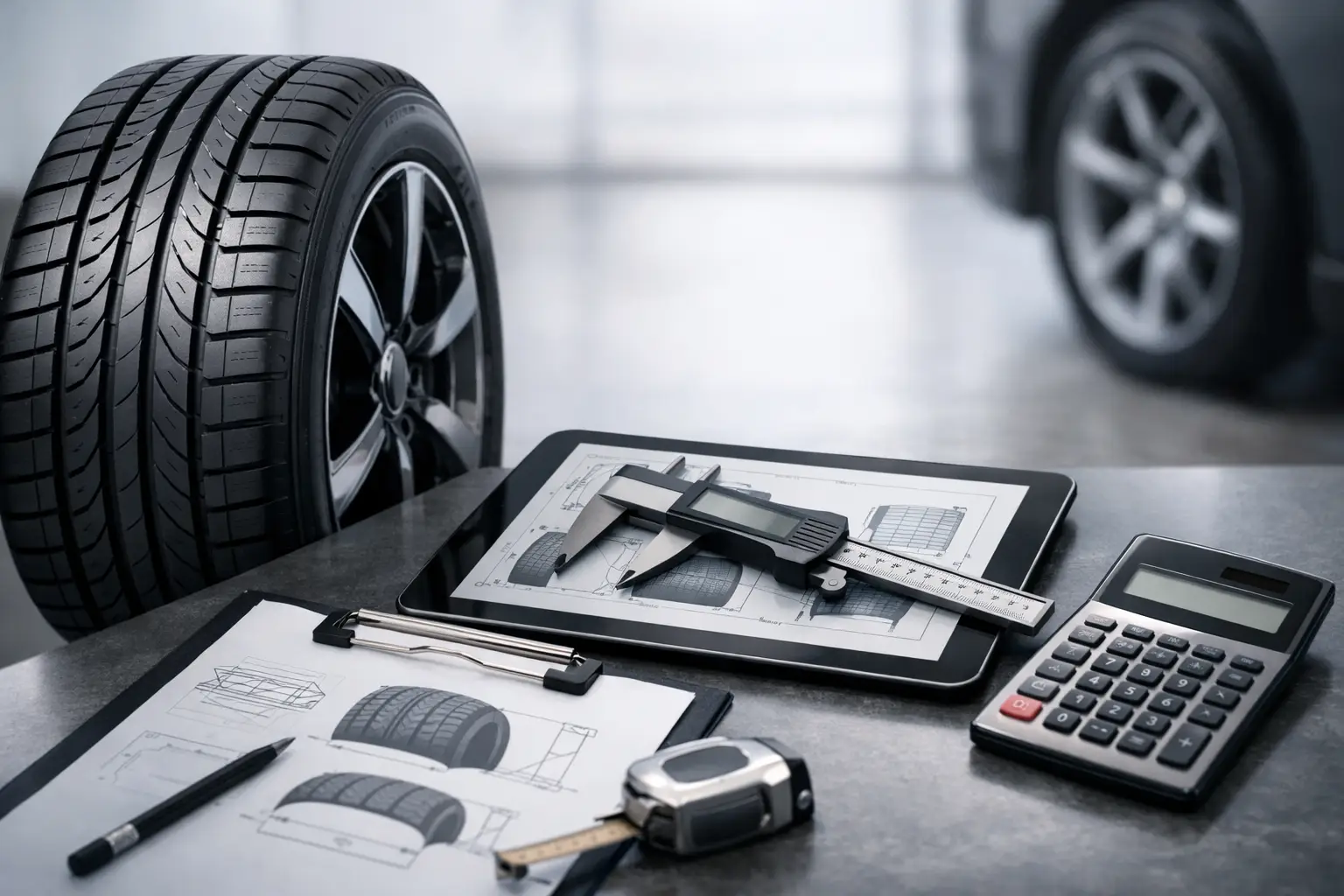
Changing wheel or tyre size sounds simple until the numbers start working against you. A 19-inch upgrade might look right on the car, but if the overall diameter is too far off, you can end up with speedometer error, clearance issues and a setup that never feels quite right. That is exactly where a new tyre size calculator earns its keep.
For most drivers, the goal is not to memorise every sidewall code. It is to make sure the next set of tyres actually fits, drives properly and does not create problems you only notice once the wheels are bolted on. If you are replacing like for like, the job is straightforward. If you are changing wheel diameter, widening the tyre, or trying a different profile, you need to compare more than just the width and the rim size.
What a new tyre size calculator actually does
A new tyre size calculator compares your current tyre size with a proposed alternative. It works out the overall diameter, rolling radius, sidewall height and circumference, then shows how far the new setup differs from the original.
That matters because your vehicle was designed around a certain rolling circumference. Change it too much and several things can shift at once. Your speedometer can read high or low, gearing can feel shorter or longer, and the wheel and tyre package may sit differently in the arch. On some vehicles, especially modern premium cars with tighter tolerances, small changes can have a bigger effect than people expect.
Take a common example. If you move from 225/45 R17 to 235/40 R18, the wheel gets larger, but the tyre profile gets lower to keep the overall diameter close. A calculator helps you check whether that balance is right rather than relying on guesswork.
How to read tyre sizes before using the calculator
If you are entering figures into a new tyre size calculator, you need to read the original size correctly. A tyre marked 225/45 R17 breaks down into three main measurements.
The 225 is the width in millimetres. The 45 is the aspect ratio, which means the sidewall height is 45 per cent of the tyre width. The 17 is the wheel diameter in inches. That mix of metric and imperial measurements catches people out all the time, so it helps to slow down and enter each number carefully.
Load rating and speed rating matter too, but they are separate from the size calculation itself. A calculator can tell you whether the dimensions are close, but it does not replace proper fitment advice on weight capacity, intended use or tyre construction.
Why matching overall diameter matters
The main figure most people should care about is overall diameter. If your new size is too different from the original, the car may not behave as intended.
A small change is often acceptable, but there is no one-size-fits-all rule. Many people work within a narrow percentage difference to keep things sensible. The closer you stay to the original rolling radius, the less chance of upsetting speedometer readings, traction control calibration and general drivability.
This becomes even more relevant on vehicles with ABS, stability systems and manufacturer-specific wheel and tyre setups. Audi, BMW, Mercedes and Porsche owners often find that what looks close on paper still needs a proper fitment check. Brake clearance, arch clearance and staggered fitments can complicate matters quickly.
What the calculator can tell you – and what it cannot
A good calculator is useful, but it is not the same as hands-on fitment knowledge. It gives you the mathematical side of the decision. That includes diameter change, circumference difference, sidewall variation and speedometer effect.
What it cannot do is inspect the car. It will not tell you whether an offset change pushes the wheel too far towards the arch, whether a wider tyre rubs on full lock, or whether a lowered suspension setup leaves you with less room than standard. It also will not account for differences between tyre brands, because two tyres in the same labelled size can measure slightly differently in the real world.
That is why calculators are best used as a first filter. They help you rule out poor options quickly, then narrow down the sizes that are worth checking properly.
New tyre size calculator for wheel upgrades
Most people start looking for a new tyre size calculator when they are moving up or down in wheel diameter. Maybe you are swapping 17-inch factory wheels for 18s, fitting a wider set of alloys, or trying to sharpen up the look of the car without ruining the ride.
This is where tyre profile becomes important. As wheel diameter increases, tyre sidewall usually needs to decrease if you want to keep the rolling radius close to standard. Get that wrong and the car can feel harsher than expected, while pothole protection drops off as well.
There is always a trade-off. A lower profile tyre can improve steering response and suit the look of the vehicle, but it will usually ride firmer than a taller sidewall. For daily road use in the UK, where road surfaces are not always kind, that matters. A setup that looks spot on in photos might be less appealing after a few weeks of commuting.
Everyday mistakes people make
One of the most common mistakes is focusing only on width. A wider tyre is not automatically better. It may offer more grip in some conditions, but it can also alter steering feel, affect fuel economy and increase the chance of rubbing if the wheel width or offset is wrong.
Another mistake is assuming the same tyre size works across every trim level of the same model. Manufacturers often fit different brake packages, suspension setups and wheel widths depending on engine size or performance variant. What fits one version of a car may not fit another.
People also overlook load and speed ratings when chasing a size that matches on diameter. The dimensions might work, but if the tyre does not meet the vehicle requirement, it is the wrong tyre regardless.
When changing tyre size makes sense
There are good reasons to change from the original size. You may be upgrading wheels, replacing an uncommon size with a more available alternative, or setting up a vehicle for a specific use. Some drivers want a better choice of tyre brands. Others are balancing appearance, ride quality and budget.
In the aftermarket, size changes are often practical rather than cosmetic. If a factory size is expensive or limited in stock, moving to a compatible alternative can open up better tyre options. The key word is compatible. This is where calculation and proper fitment advice need to work together.
Commercial users and drivers covering higher mileage often take a slightly different view. They usually care less about stance and more about cost per mile, durability and availability. For them, the right tyre size change can make sense if it keeps the vehicle serviceable without compromising safety or legality.
How to use the figures sensibly
When you use a new tyre size calculator, treat the result as part of the decision, not the whole decision. Start with your current size and compare the proposed alternative. If the diameter difference is modest, that is a good sign, but it is only the start.
Next, consider the wheel width the tyre will be fitted to, the offset of the wheel, the suspension setup and how the vehicle is used. A family hatchback on standard suspension gives you a different margin for error than a lowered coupe on wider aftermarket alloys. The more modified the vehicle, the less you should rely on size maths alone.
If you are replacing a staggered setup, be even more careful. Front and rear sizes are chosen for a reason, and changing one axle without understanding the full package can upset balance and fitment.
Getting it right before you buy
The safest approach is to use the calculator to shortlist sensible options, then confirm the finer details before ordering tyres or wheels. That extra check saves money and hassle. It also helps avoid the all-too-common situation where a wheel and tyre package technically fits the hub but not the car in real use.
At that point, specialist advice is worth having, especially if you are dealing with premium vehicles, performance fitments or non-standard wheels. A workshop that handles both supply and fitting can usually spot issues that a basic size comparison misses, from brake clearance to real arch space. For local customers around Dorset, that can make the difference between buying once and buying twice.
The best tyre setup is not always the biggest, widest or most aggressive. It is the one that fits properly, suits the vehicle and works on the roads you actually drive. Use the numbers to guide the choice, then let experience finish the job.