
Which Tyres Are Best for Your Car?

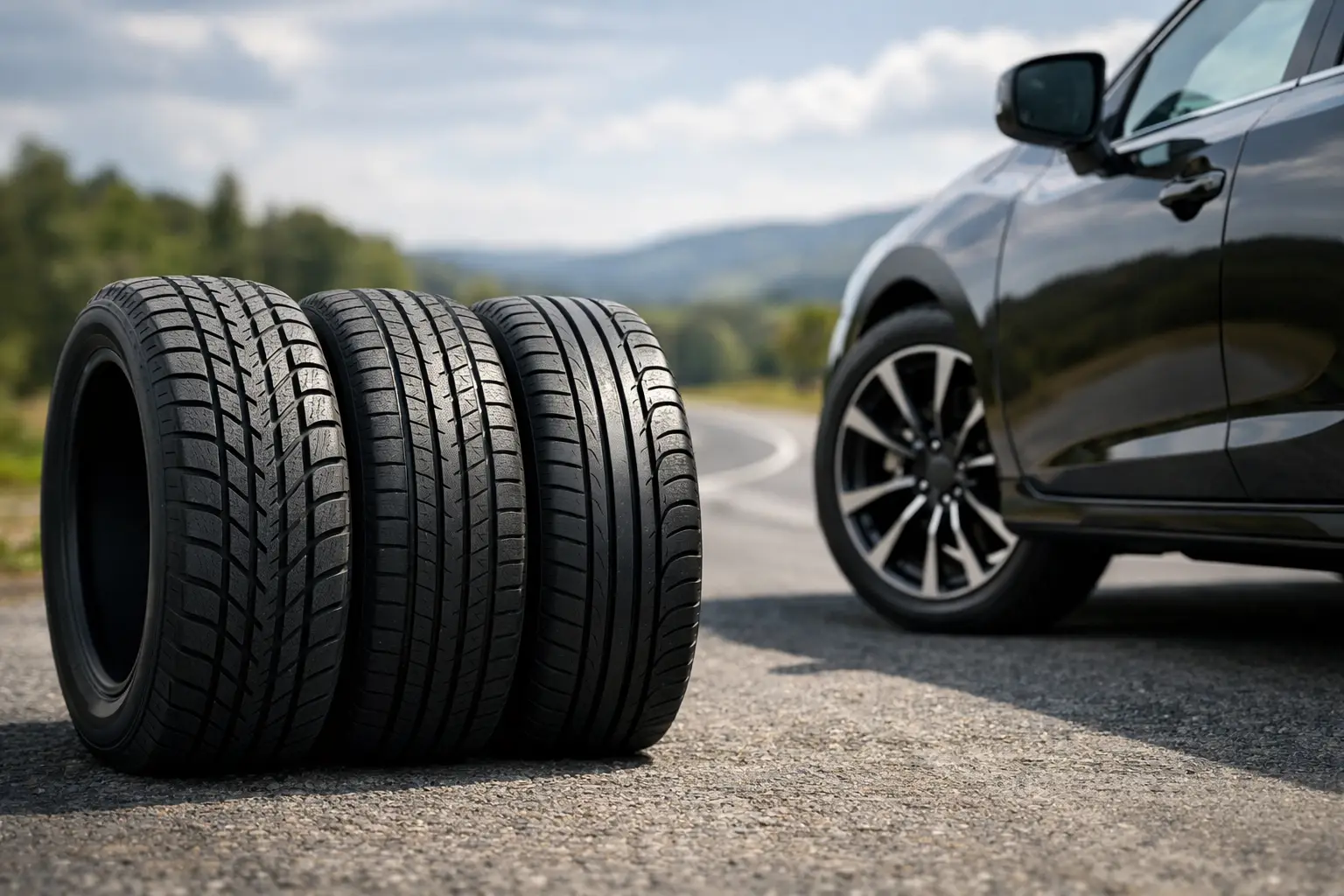
A tyre that feels fine on a dry July school run can be the wrong choice on a wet motorway in November. That is why asking which tyres are best is only useful if you also ask best for what, best for whom, and best on which vehicle. The right answer depends on your driving, your mileage, your car, and how much compromise you are prepared to accept between grip, comfort, longevity and cost.
Which tyres are best really depends on use
There is no single best tyre for every driver. A premium touring tyre on a family hatchback may be ideal for quiet road noise, wet braking and strong mileage, but that same tyre may feel too soft for someone driving a heavier performance saloon with larger wheels. Equally, a budget tyre might suit a low-mileage second car used locally, yet feel less reassuring for regular motorway work through winter.
The mistake many drivers make is buying on price alone or buying the same brand they had before without checking whether it actually suited the car. Tyres are part of the car’s handling, braking and ride quality. Change the tyre, and you often change all three.
Start with the type of driving you actually do
If most of your miles are local, at moderate speeds, ride comfort and value may matter more than outright high-speed stability. If you regularly cover long motorway journeys, road noise, wet-weather confidence and wear rate become more important. For drivers of SUVs, prestige saloons and German performance cars, load rating, sidewall strength and correct manufacturer fitment can make a noticeable difference.
That is why the best tyre for a BMW 3 Series commuting 15,000 miles a year is unlikely to be the same as the best tyre for a Range Rover used for short local trips. One needs refinement and efficiency over distance. The other may benefit more from a tyre built to handle weight, higher load demands and mixed road conditions.
If you drive enthusiastically, tyre choice becomes even more specific. Steering response, shoulder stiffness and heat resistance matter more than they do for everyday motoring. In that case, a tyre that lasts a bit less time may still be the better buy because it gives you the control you want.
Premium, mid-range or budget?
This is usually where the decision lands. In broad terms, premium tyres tend to offer the best balance of wet grip, dry handling, braking, refinement and durability. Mid-range tyres can represent very good value when chosen carefully. Budget tyres are usually the lowest-cost route, but performance can vary widely.
Premium tyres are often the right answer for heavier, more powerful or more expensive vehicles. If you drive an Audi, Mercedes, Porsche or BMW, the car was likely developed around tyres with a certain performance level. Fitting a very cheap alternative can affect how the car rides and responds, especially in the wet.
Mid-range tyres are often the sweet spot for sensible buyers. You can get dependable everyday performance without paying top-end prices, and for many family cars that is a practical balance. Budget tyres are not automatically wrong, but they make more sense when annual mileage is low, the vehicle is older, and expectations are realistic.
The trade-off is simple. As purchase price falls, the gap often shows up in wet braking, noise, wear consistency and overall feel. That does not mean every premium tyre is right and every cheaper tyre is poor. It means choosing by category alone is too blunt.
Which tyres are best for British weather?
In the UK, wet performance matters more than many people realise. We spend far more time dealing with damp roads, standing water, cold mornings and mixed seasonal conditions than dry, warm tarmac. A tyre that performs well in heavy rain is often a smarter choice than one sold purely on sporty image or dry grip figures.
For most drivers, a quality summer tyre is still the standard choice year-round, especially in the south of England where severe winter conditions are less common. Summer tyres work well in mild to warm temperatures and usually offer strong wet and dry performance when chosen from a reputable range.
All-season tyres are worth considering if you want one set to cover more of the year with extra reassurance in colder weather. They can be a very sensible option for drivers who do not want the hassle of changing sets seasonally but still want better cold-weather performance than a standard summer tyre can provide. The compromise is that they may not feel quite as sharp in warmer conditions as a strong summer tyre, and some wear faster depending on use.
Winter tyres are more specialist. They are excellent when temperatures stay low and roads are frequently icy or snowy, but they are not necessary for every Dorset driver. They make more sense if your work takes you across the country, you travel early in the morning on untreated roads, or you live somewhere that regularly sees winter disruption.
Size, load and speed rating matter more than brand loyalty
A good brand fitted in the wrong specification is still the wrong tyre. Before comparing makes and models, check the exact tyre size, load index and speed rating required for the vehicle. These are not minor details. They affect safety, legality and how the car performs under load.
This is especially important for SUVs, vans, EVs and performance models. Heavier vehicles need tyres with the correct load capacity. Faster vehicles need a speed rating that matches requirements. Some cars also benefit from manufacturer-marked tyres designed for that platform, particularly where ride quality, noise control or chassis tuning are more sensitive.
If you are also changing wheels, fitment becomes even more important. Tyre width, profile and rolling radius must work with the wheel size and the vehicle’s setup. Get that wrong and you can end up with rubbing, poor ride quality, inaccurate speed readings or uneven wear.
What should you prioritise?
If safety is top of the list, look first at wet grip and braking performance. This is where better tyres often justify their cost. A few metres of stopping distance in the rain is not marketing fluff. It can be the difference between a near miss and a damaged front end.
If value matters most, do not just compare shelf price. Consider cost over time. A tyre that costs more but wears evenly and lasts longer may work out cheaper per mile than a cheaper tyre replaced sooner. The same goes for fuel economy, as low rolling resistance can make a small but real difference over higher mileage.
If comfort matters, pay attention to sidewall design, road noise and how stiff the tyre is intended to be. Low-profile tyres on large alloy wheels already reduce ride softness. Pair that setup with an especially firm tyre and the car may feel harsher than you want on broken UK roads.
If appearance matters, tyre choice still needs restraint. A wide, aggressive-looking setup can improve stance, but only if the fitment is right. Looks should not come at the expense of clearance, wear or steering quality.
New or part-worn?
For some buyers, part-worn tyres are a sensible route to a recognised brand at a lower cost. That can work well if the tyre has been properly inspected, has sound structure, legal tread and no hidden damage. The key is buying from a specialist who checks condition properly rather than treating used tyres as interchangeable.
The risk with poor-quality part-worns is obvious. You may not know the tyre’s history, whether it has suffered impact damage, or whether repairs have been carried out correctly. If you are going used, inspection standards matter just as much as tread depth.
For higher-performance cars or drivers covering a lot of motorway miles, new tyres are usually the safer long-term decision. For a second car, lower annual mileage vehicle or temporary replacement, quality part-worn options may still offer genuine value.
Signs you are choosing the wrong tyre
If a tyre wears quickly on the shoulders, feels noisy from early on, struggles for grip in normal wet driving or makes the steering feel vague, the issue may not just be age. It could be the wrong pattern or specification for the car. Sometimes the cheapest fit turns expensive because you end up replacing it sooner or living with poorer performance every day.
Uneven wear can also point to alignment or suspension issues, so tyre choice should never be looked at in isolation. The best result comes when the tyre, wheel, alignment and intended use all match.
So, which tyres are best?
For most drivers, the best tyres are the ones that suit the car properly, perform confidently in the wet, and offer the right balance of lifespan, comfort and cost. In practical terms, that often means choosing a reputable premium or strong mid-range tyre in the exact correct specification rather than chasing the cheapest option or assuming the most expensive one is automatically right.
If you are unsure, start with how you use the vehicle, not with the logo on the sidewall. A good tyre choice should feel right every day, not just look good on paper. When the fitment is correct and the tyre matches the job, the car will usually tell you straight away.