
How to Read Tyre Sidewall Markings

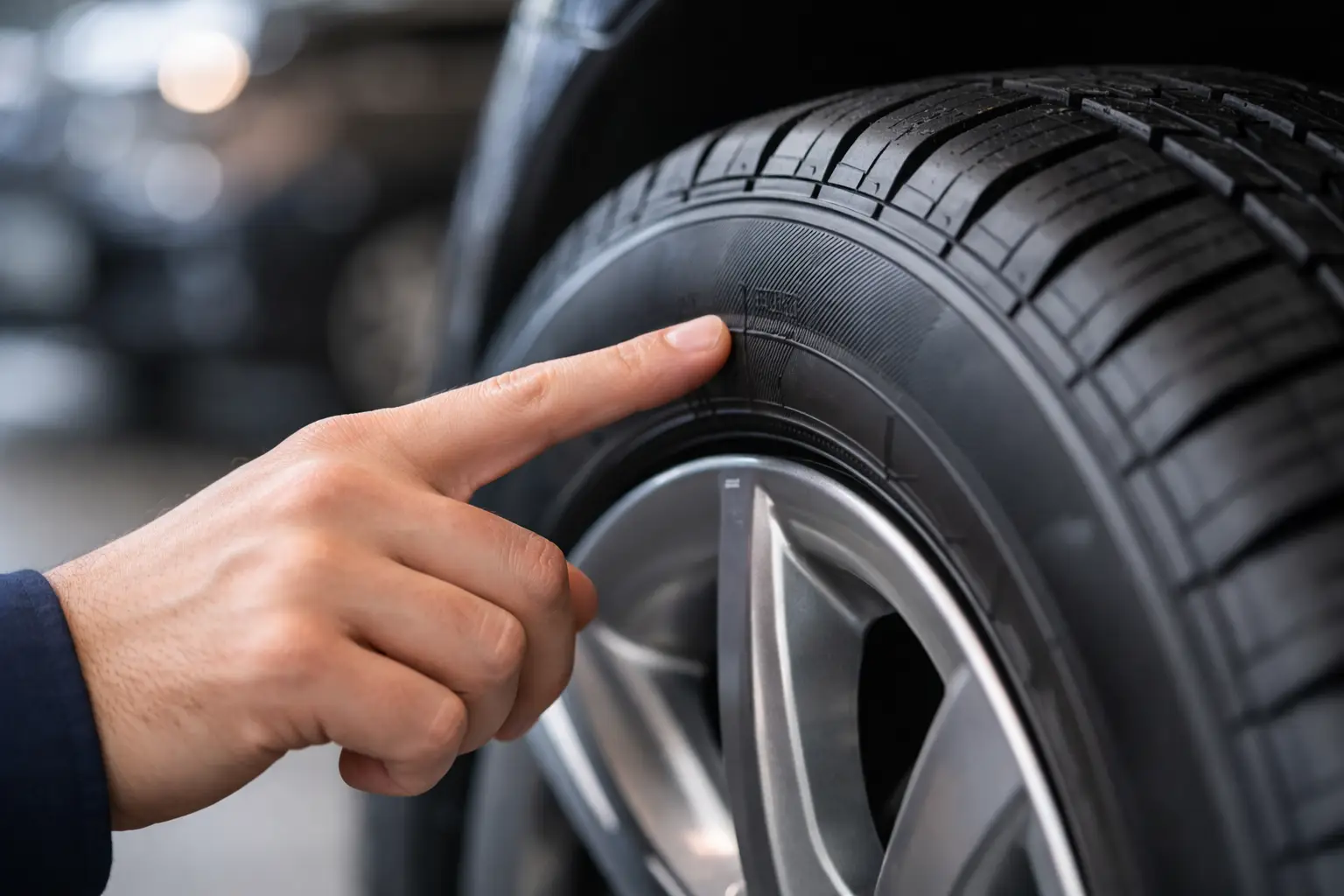
You do not need to be a tyre fitter to make sense of the writing on a tyre sidewall, but you do need to know which parts matter. If you have ever looked at a tyre and seen a string like 225/45 R17 94Y XL, this guide explains how to read tyre sidewall markings properly so you can buy the right replacement, avoid fitment mistakes and understand what is already fitted to your car.
A tyre sidewall carries far more than just the size. It tells you the width, profile, construction, wheel diameter, load index, speed rating, age, and sometimes whether the tyre is reinforced, run-flat, directional or designed for specific weather conditions. Some markings are essential when replacing tyres. Others are useful, but not every code will affect your buying decision.
How to read tyre sidewall markings step by step
The easiest way to read a tyre sidewall is to break the main code into sections. Take a common example:
225/45 R17 94Y
Each part means something specific, and each part helps confirm whether the tyre suits your vehicle.
Tyre width
The first number, 225, is the tyre width in millimetres. This is the width of the tyre from sidewall to sidewall when mounted correctly.
A wider tyre can offer more grip, but only if it is suitable for the wheel width and vehicle setup. Fitting a tyre that is too wide for the wheel or arch clearance can create handling and clearance issues. That is why matching the existing specification or the vehicle manufacturer recommendation matters.
Aspect ratio or profile
The second number, 45, is the aspect ratio. This is the sidewall height expressed as a percentage of the tyre width. In this case, the sidewall height is 45% of 225mm.
Lower profile tyres usually give a sharper steering feel and a sportier look, but they can also ride more firmly and offer less protection against pothole damage. Higher profile tyres generally improve comfort, which is one reason they are common on everyday cars and some commercial applications.
Construction type
The letter R stands for radial construction. Nearly all modern road car tyres are radial, so this is the marking you will usually see.
You may occasionally see other construction codes on specialist or older applications, but for most drivers this part simply confirms a standard modern tyre type.
Wheel diameter
The number 17 is the wheel diameter in inches. This tells you the size of wheel the tyre is designed to fit.
This is one area where there is no room for guesswork. A 17-inch tyre only fits a 17-inch wheel. Even if every other number looks close, the tyre cannot be fitted safely to the wrong diameter wheel.
Load index
The number 94 is the load index. This is a coded figure that shows the maximum weight the tyre can carry when correctly inflated.
This number is often overlooked, but it matters. If you fit a tyre with a load index below the vehicle requirement, the tyre may not be legal or suitable for the car. That is especially important on heavier vehicles such as SUVs, estates, vans and premium saloons, where load ratings can vary more than owners expect.
Speed rating
The final letter, Y, is the speed rating. This tells you the maximum speed the tyre is designed to handle under load.
It is not a target and it is not just for high-performance cars. It also reflects the tyre’s construction and intended use. Common ratings include T, H, V, W and Y. As with load index, the correct rating depends on the vehicle specification. In some cases you can go higher than the original rating, but dropping below the required standard is where problems start.
Other tyre sidewall markings you should know
Once you understand the main size code, the rest of the sidewall becomes much easier to read. Some of these markings are common on replacement tyres and can affect what you order.
XL, RF and reinforced markings
If you see XL, it usually means Extra Load. Some tyres may show Reinforced or RF instead. These tyres are built to carry more weight at the correct pressure than a standard version of the same size.
This is common on modern cars, especially heavier hatchbacks, hybrids, executive cars and SUVs. If your vehicle requires an XL tyre, replacing it with a standard load version in the same size is not the same thing. The dimensions may match, but the load capability may not.
Run-flat markings
Run-flat tyres can use different brand-specific markings, so there is not one universal code across every manufacturer. These tyres are designed to keep operating for a limited distance after a puncture, usually at reduced speed.
They are not suitable for every vehicle, and replacing run-flats with conventional tyres depends on the car, wheel setup and whether a tyre pressure monitoring system is fitted. This is one of those cases where size alone is not enough.
Directional and rotation markings
Some tyres are directional, which means they are designed to rotate in one direction only. If so, you will usually see an arrow on the sidewall showing the correct rotation.
Others may be asymmetric, with markings such as Inside and Outside. These tyres must be fitted the right way round to perform correctly. A tyre can be the right size and still be fitted incorrectly if these markings are ignored.
M+S and three-peak mountain snowflake
M+S stands for Mud and Snow. You may also see the three-peak mountain snowflake symbol, which indicates a recognised winter performance standard.
These markings matter if you are comparing all-season, winter and summer tyres. An all-season tyre may suit drivers who want year-round flexibility, but there is always a trade-off. A dedicated summer tyre usually offers stronger warm-weather performance, while a winter tyre is the better choice for repeated cold-weather driving.
How to read tyre sidewall markings for age
One of the most useful codes on a tyre is the date of manufacture. This is usually found in the DOT marking, where the last four digits show the week and year the tyre was made.
For example, 1423 means the tyre was manufactured in week 14 of 2023.
This does not tell you when the tyre was fitted, only when it was made. Tyre age matters because rubber degrades over time, even if tread depth still looks acceptable. For everyday road use, age should be considered alongside condition, wear pattern and storage history. It is one more reason to inspect a tyre properly instead of judging it by tread alone.
What the sidewall does not tell you on its own
Reading the sidewall is a strong starting point, but it does not answer everything. It will not always tell you whether the tyre is manufacturer-homologated for a specific performance car, whether it matches the ideal wheel width, or whether it is the best option for your driving style.
That matters most when changing wheel size, upgrading alloys, fitting staggered setups or replacing tyres on premium and performance vehicles. Two tyres can share the same size but differ in carcass stiffness, rim protection, wet grip and ride quality. Sidewall markings help narrow the choice, but they do not replace proper fitment advice.
Common mistakes when checking tyre sidewalls
The most common mistake is matching only the first part of the size and ignoring the rest. A driver might see 225/45 R17 and assume any version will do, then miss that the original tyre was 94Y XL rather than 91W. On paper the sizes look almost identical. In practice, the load and speed capability are different.
Another mistake is checking only one tyre. Cars sometimes arrive with mixed brands, mixed specifications or even the wrong load rating fitted on one axle. If you are replacing a pair, check both tyres on that axle and compare them to the vehicle recommendation.
It is also worth watching for old tyres on low-mileage cars, caravans, trailers and vehicles that spend long periods parked up. Good tread does not automatically mean good condition.
When tyre sidewall markings matter most
If you are buying a straight replacement for standard road use, the sidewall gives you most of the information you need. It becomes even more important if you are replacing tyres on heavier vehicles, choosing part-worn tyres, changing wheel diameter or trying to match a specific premium fitment.
For enthusiasts, the sidewall is also where the detail starts. It helps you confirm whether a tyre suits your wheel width, whether the profile will work with your chosen setup, and whether the load and speed ratings are correct for the car. For everyday motorists, it is the quickest way to avoid ordering the wrong tyre and wasting time on returns or failed fitting appointments.
If the lettering on your tyre has ever looked like a jumble of numbers and letters, it is usually much simpler once you know the sequence. Read the size first, then the load and speed rating, then the extra markings that affect fitment. And if anything on the sidewall does not line up with your vehicle or your intended use, it is worth checking before the tyre goes anywhere near the wheel.