
How to Buy Used Alloy Wheels Without Guesswork

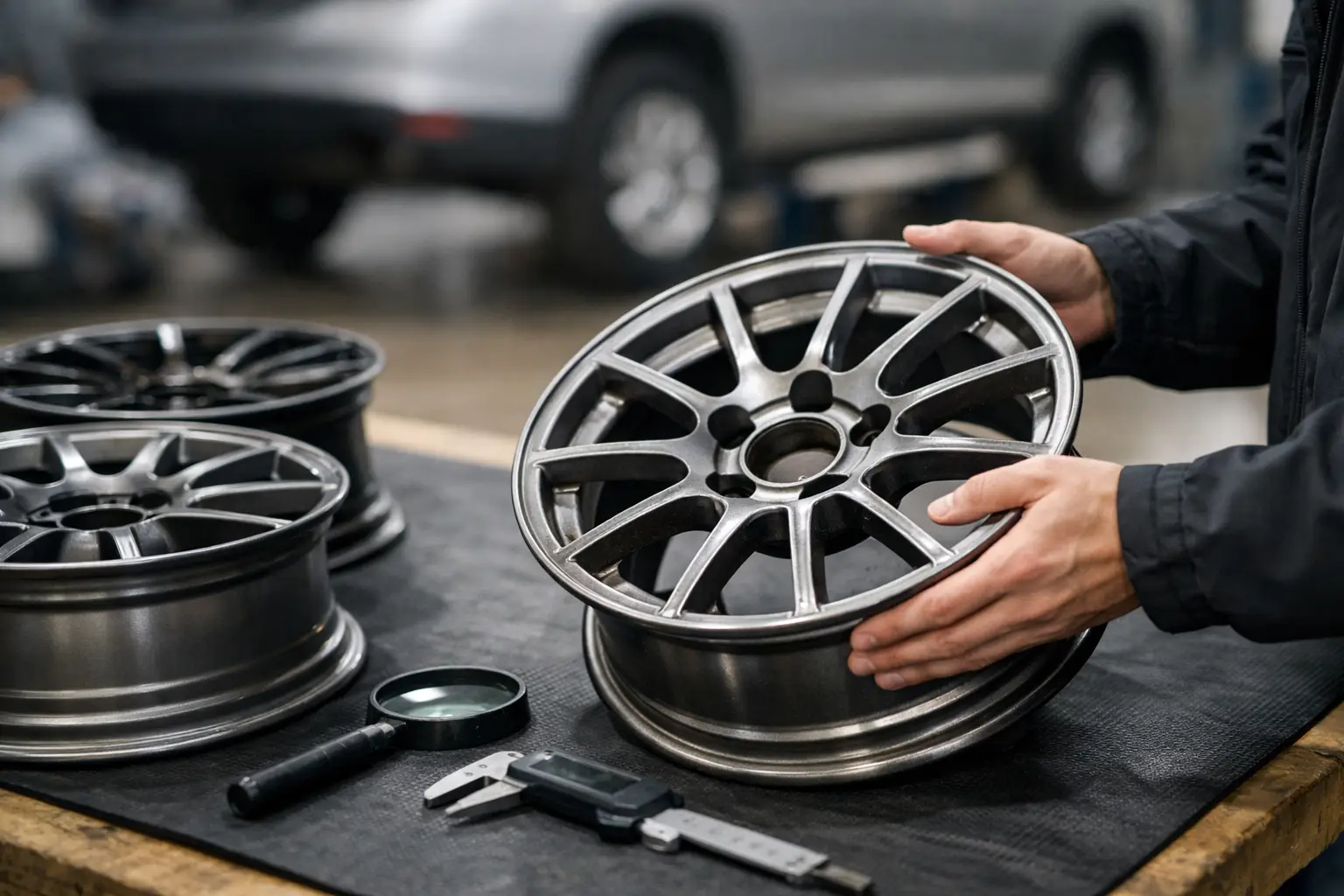
A used set of alloys can transform the look of a car and save a substantial amount over buying new. But learning how to buy used alloy wheels is not simply a matter of finding a design you like and checking the diameter. The wrong fitment can cause clearance problems, affect handling or leave you with wheels that cannot be fitted safely at all.
The best purchases start with the vehicle, not the wheel. Confirm what your car needs, inspect the condition properly and factor in tyres, fitting and any refurbishment work before comparing prices. A genuine, correctly specified used wheel set is often excellent value. A cheap set with hidden damage or unsuitable dimensions rarely is.
Start with the exact fitment for your vehicle
Alloy wheels are defined by more than their size. Two 19-inch wheels may look almost identical but have different bolt patterns, offsets or centre bores, making one suitable for your vehicle and the other completely wrong.
Check your manufacturer specification or the details stamped on your existing wheels. You need to establish the diameter and width, the PCD, offset, centre bore and bolt or nut seat type. The PCD is the number of fixing holes and the diameter of the circle they form. For example, 5×112 and 5×120 are different fitments, even though both use five studs.
Offset, usually marked ET, deserves particular attention. It determines where the wheel sits in the arch. An offset that is too high may bring the wheel too close to suspension components or brake calipers. Too low, and the wheel can sit too far out, potentially causing tyre contact with the arch or excessive protrusion. A small change can be acceptable on some cars, but it depends on wheel width, tyre size and suspension setup.
Centre bore matters too. The bore should either match the vehicle hub or be larger and used with correct hub-centric spigot rings. A wheel that relies solely on its bolts to centre it can lead to vibration. Never assume a wheel from another model within the same manufacturer range will fit without checking every measurement.
Consider brakes, suspension and tyre clearance
Performance models, upgraded brakes and lowered cars create extra complications. A wheel may have the correct PCD and offset on paper but still foul a large brake caliper or a coilover spring platform. This is especially relevant with BMW, Audi, Mercedes, Porsche and Range Rover applications, where wheel designs and brake packages can vary widely across model generations.
If you are moving to a different wheel diameter, choose a tyre size that keeps the overall rolling radius close to the original. Large changes can affect speedometer accuracy, gearing, ride quality and clearance. It is also worth checking that the intended tyre has an appropriate load rating and speed rating for the vehicle.
Inspect used alloy wheels beyond the visible finish
Kerb marks are common on used wheels and are not automatically a reason to walk away. Light cosmetic damage can often be refurbished. The question is whether the wheel is structurally sound and whether the cost of putting it right still makes financial sense.
Look closely around the rim edge, spokes and bolt holes for cracks. Pay particular attention to the inner barrel, where damage is easier to miss and where pothole impacts often show up. Hairline cracks, welded repairs and dents can be hidden by dirt, old balancing weights or a tyre still fitted to the wheel. Ask for clear photographs of both sides, or inspect the wheels in person where possible.
A wheel should also be checked for buckles and run-out. A slight distortion may not be obvious when the wheel is lying flat, but it can cause steering vibration, poor balance and uneven tyre wear once fitted. A professional workshop can assess this properly during inspection and balancing.
Corrosion is another common issue, particularly on diamond-cut finishes. White worm corrosion beneath the lacquer can spread from the edges of the spokes or around the centre cap. It may be repairable, but diamond cutting removes a fine layer of material each time, so it cannot be repeated indefinitely. Painted or powder-coated wheels are often more practical for daily use, especially through British winters.
Be cautious with fresh paint. A newly refinished wheel can look excellent, but it can also conceal previous repairs. There is nothing inherently wrong with a professionally refurbished wheel – in fact, it can be a sensible choice – but ask what work has been carried out and whether cracks, buckles or welds were involved.
Check the tyres as a separate purchase decision
Used alloy wheels are often sold with tyres, which can make the package look more attractive. Treat the tyres as part of the value, not a free bonus. Check the brand, size, tread depth, age, wear pattern and condition of all four.
Tyres with apparently good tread can still be poor value if they are old, perished or mismatched. Find the DOT date code on the sidewall to establish when each tyre was made. Look for cracks in the sidewall, repairs, bulges and uneven wear across the tread. Wear on one inner edge may point to alignment issues, incorrect camber or previous suspension problems.
A set with two premium tyres and two unknown-budget tyres is not equivalent to a matched set. For four-wheel-drive vehicles, differences in tyre circumference can be particularly problematic. The same applies where tyres have noticeably different tread depths. If the fitted tyres are unsuitable, price the wheels as wheels only and budget for a correct matching set.
Ask where the wheels came from and what is included
Provenance does not have to mean a full history file, but a credible seller should be able to explain what vehicle the wheels came from and whether they are genuine manufacturer wheels, aftermarket wheels or replicas. This affects both value and confidence in the stated specifications.
Check whether the sale includes centre caps, tyre pressure monitoring system sensors, wheel bolts or nuts, locking bolt keys and spigot rings. Do not assume these items will transfer from your current wheels. Bolt seat profiles vary, and using the wrong bolts can damage the wheel or prevent it seating correctly.
If TPMS sensors are included, they may need coding or may not be compatible with your vehicle. Some cars use direct sensors inside the wheel, while others use the ABS system and do not need sensors at all. A quick check before purchase avoids an unnecessary warning light afterwards.
Know when refurbishment is worthwhile
Refurbishment can turn an otherwise sound used set into wheels you are proud to fit. It is often worthwhile for kerbing, corrosion, lacquer peel and tired-looking paint, particularly when the wheels are rare, genuine or expensive to replace.
Structural repairs require more caution. A reputable inspection should determine whether a buckle can be straightened safely or whether a crack repair is appropriate. There are limits to what should be repaired, and a wheel with extensive cracking, severe distortion or repeated welds is usually best rejected.
Get a realistic total before committing: purchase price, refurbishment, tyres if needed, valves, balancing, alignment and fitting. A set that costs less initially can become more expensive than a cleaner, correctly specified set once those jobs are added.
Buy from a seller who can verify and fit them
Private listings can offer bargains, but they place more of the checking burden on you. A specialist supplier has the advantage of stock knowledge, fitment experience and the ability to inspect wheels before they go on the vehicle. This matters when you are buying wheels for a premium car, changing sizes or working around non-standard brakes and suspension.
At The Tyre Barn, used wheels can be assessed alongside tyre condition and vehicle fitment, with fitting available at the Wimborne workshop. That gives you the opportunity to resolve balancing, valve, TPMS and clearance questions in one place rather than discovering problems after a courier delivery.
Before fitting, make sure the wheel is clean at the mounting face and the hub is free from corrosion. Wheels should be torqued to the vehicle manufacturer’s specification, then rechecked after the initial period of driving if advised by the fitter. If the steering vibrates, the car pulls or there is any rubbing noise, stop and have it inspected rather than hoping it will settle.
A good used alloy wheel purchase should feel straightforward once the measurements and condition stack up. Choose the set that fits your car properly, has a clear and honest condition, and leaves enough budget to fit and maintain it correctly. That is where used wheels deliver their best value.