
How to Order Tyres Online Without Fitment Errors

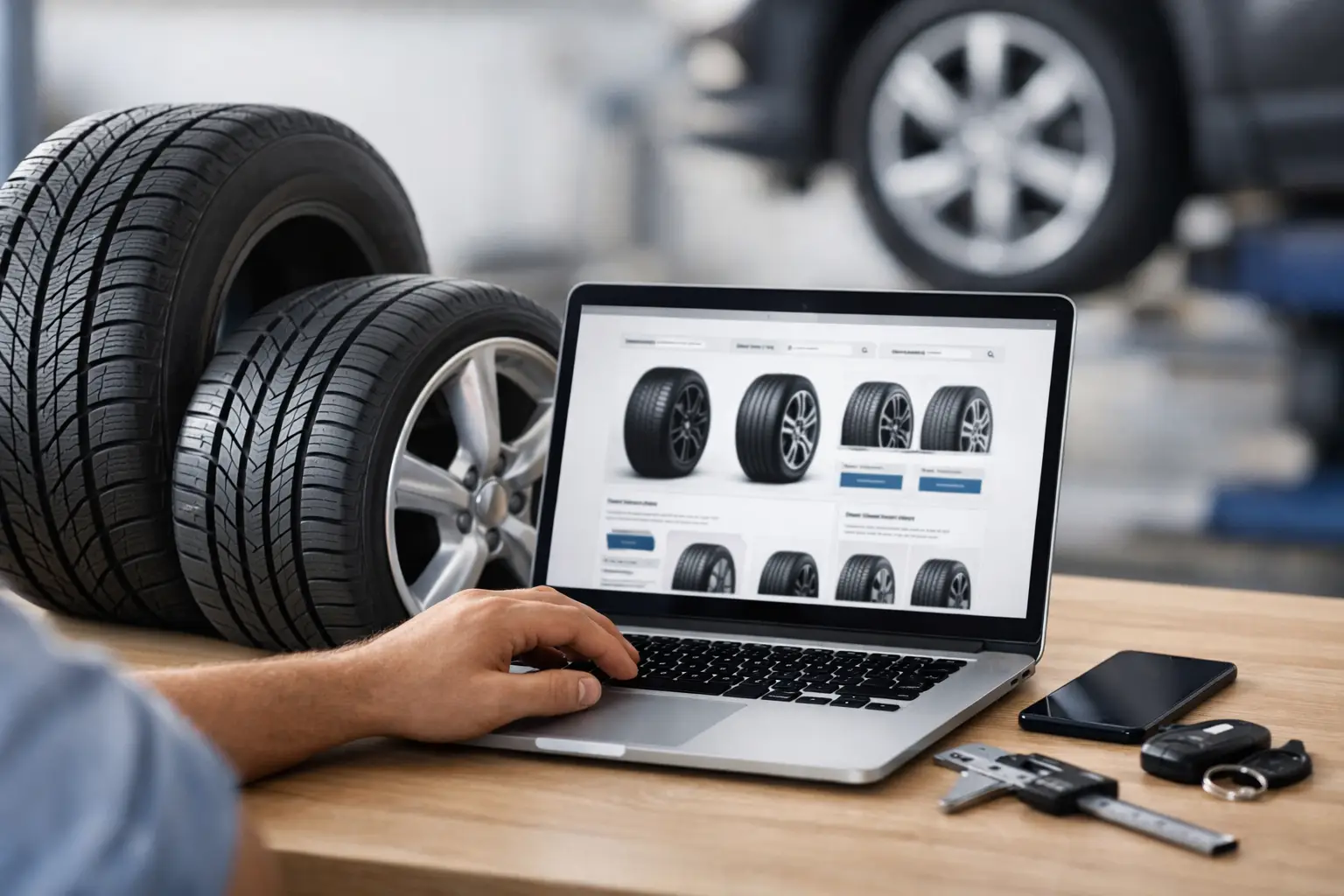
A tyre that looks right in an online search can still be wrong for your vehicle. The difference may be a single load-rating digit, an unsuitable speed rating or a size that affects clearance and handling. Knowing how to order tyres online starts with treating the sidewall specification as the deciding factor, not the photograph or the headline price.
Buying online gives you far more choice than a shelf in a local shop. You can compare premium, mid-range and budget brands, find hard-to-source commercial sizes, and arrange delivery or fitting to suit you. But that choice only works in your favour when you check the details before placing the order.
Start with the tyre size already fitted
The easiest place to find your required size is on the sidewall of a tyre currently fitted to the vehicle. A common example is 225/45 R17 94W. Each part has a job to do: 225 is the width in millimetres, 45 is the profile as a percentage of the width, R means radial construction, and 17 is the wheel diameter in inches.
The final figures and letter matter just as much. In this example, 94 is the load index and W is the speed rating. Do not assume that every 225/45 R17 tyre is suitable simply because the first part of the size matches.
Check all four tyres where possible, particularly if you have recently bought the vehicle or changed wheels. A previous owner may have fitted a non-standard size. The handbook, vehicle placard – often found inside the fuel flap or door shut – and manufacturer-approved fitment data are useful cross-checks. If the information conflicts, ask a tyre specialist before ordering.
Check load index and speed rating before price
A tyre’s load index tells you the maximum weight it can carry at its stated operating conditions. The speed rating indicates the maximum speed the tyre is designed to withstand. Both need to meet the vehicle manufacturer’s minimum specification.
It is generally acceptable to choose a higher load index or higher speed rating where an appropriate tyre is available, but reducing either can be unsafe and may affect insurance or MOT compliance. This is especially relevant for SUVs, electric vehicles, vans and performance cars, where vehicle weight and torque place greater demands on the tyre.
For a heavy vehicle, look for XL or Extra Load tyres where they are specified. These have reinforced construction and are often essential rather than optional. Electric vehicle-specific tyres can also be worth considering because they may be designed for higher loads, instant torque and reduced road noise. They are not mandatory for every EV, so the correct size and rating still come first.
If your vehicle uses run-flat tyres, check whether it was designed for them. Replacing run-flats with conventional tyres can change the way the car behaves after a puncture and may leave you without a spare-wheel solution. Conversely, fitting run-flats to a vehicle not designed for them is not always a straightforward upgrade.
Choose tyres for the way you actually drive
The cheapest tyre in the correct size is not automatically the best value. Consider your annual mileage, typical journeys, vehicle type and what matters most to you – wet grip, long wear, quiet running, fuel efficiency or performance.
Premium tyres are often a sensible choice for high-mileage drivers, powerful cars and vehicles regularly used on motorways. They can offer strong wet-weather performance, consistent handling and predictable wear. Mid-range tyres can provide good everyday value for many motorists, while budget tyres may suit a low-mileage second car if the tyre meets the correct legal and vehicle requirements.
The UK tyre label helps you compare products. Wet-grip grading is particularly useful because braking performance in the rain is a major safety consideration. Fuel-efficiency and external noise ratings add context, but they should not outweigh the correct fitment, load rating and intended use.
Season matters too. Summer tyres suit normal UK conditions for most drivers, but they lose effectiveness as temperatures fall. All-season tyres are a practical option for drivers who use their vehicle year-round and want more confidence in cold, wet and occasional wintry conditions without changing sets. Winter tyres make most sense for regular travel in colder areas or where snow and ice are likely. There is no single best choice – it depends on where and when you drive.
Decide whether to replace two tyres or four
If only one tyre is damaged, you may not need to replace the full set. However, tyres on the same axle should normally match in size, construction and tread pattern, and should have similar tread depth to maintain balanced braking and handling.
For most front- or rear-wheel-drive cars, fitting the newer pair to the rear axle is commonly recommended to help maintain rear-end stability in wet conditions. On four-wheel-drive and all-wheel-drive vehicles, tread-depth differences can be more sensitive. Some drivetrains require closely matched rolling circumferences to avoid unnecessary strain on differential components.
This is one area where an apparently simple online purchase deserves a quick conversation with an expert. The right approach varies by manufacturer and drivetrain, particularly with Audi quattro, BMW xDrive, Mercedes 4MATIC, Porsche and Range Rover models.
How to order tyres online: select fitting or delivery
Once you have chosen the correct tyre, decide how it will be fitted. Having tyres delivered to your home can work if you have a trusted local garage ready to fit them, but remember to factor in fitting, balancing, valve replacement and disposal of the old tyres. A low online price can become less attractive once those costs are added.
Ordering for fitting at the supplier’s workshop is often the simpler route. The tyre is reserved, fitted by trained technicians and balanced before you leave. It also gives the fitter a chance to inspect the wheels, valves and existing tyres. If you are based near Wimborne or elsewhere in Dorset, a fitting-centre booking can save the hassle of moving bulky tyres between delivery, storage and a separate garage appointment.
Before you pay, confirm whether the displayed price includes VAT and whether fitting is included or charged separately. Check the available appointment dates, particularly if you need tyres urgently. It is also worth checking whether the selected tyre is physically in stock rather than shown as a supplier-order item.
Add the vehicle details carefully
Many online tyre shops let you search by registration number. This is useful, but it is a starting point rather than a guarantee. Registration look-up systems may return original factory sizes, while your car could have optional wheels, aftermarket alloys or a staggered setup with different front and rear tyre sizes.
Enter the tyre size from the sidewall when you can, then compare it with the vehicle information. For aftermarket wheels, confirm the wheel diameter and width, tyre profile, offset and clearance before ordering. A tyre that technically mounts on the rim may still not be the right choice for the car.
For staggered wheel setups, order each axle size separately and double-check the quantities. It is an easy mistake to add four tyres in the front size when the rears are wider. If you are unsure, photographs of the tyre sidewalls and wheels can help a specialist confirm what is fitted.
Review the order before checkout
A final two-minute check can prevent the most expensive errors. Confirm the tyre size, load index, speed rating, quantity, seasonal type and fitting method. Also check that you have not accidentally selected a tyre marked for a different axle or wheel diameter.
Be realistic about condition if you are considering part-worn tyres. They can be an affordable option when sourced and inspected properly, but tread depth alone does not tell the whole story. Look for clear information about remaining tread, repairs, age, sidewall condition and testing. A new tyre is usually the better long-term choice where budget allows, especially on vehicles used regularly at motorway speeds.
Finally, do not ignore tyre age after fitting. New tyres should be checked for pressure regularly and inspected for damage, uneven wear and foreign objects. Correct pressures are set by the vehicle manufacturer, not the number printed as the tyre’s maximum pressure.
When the specification is right, ordering online is straightforward: choose the tyre that suits the vehicle and your driving, then arrange fitting through a specialist who can stand behind the fitment. If a sidewall code, wheel setup or vehicle requirement leaves any doubt, the expert team at The Tyre Barn can help you make the right call before the order is placed.