
Porsche Wheel Upgrade Choices That Fit Right

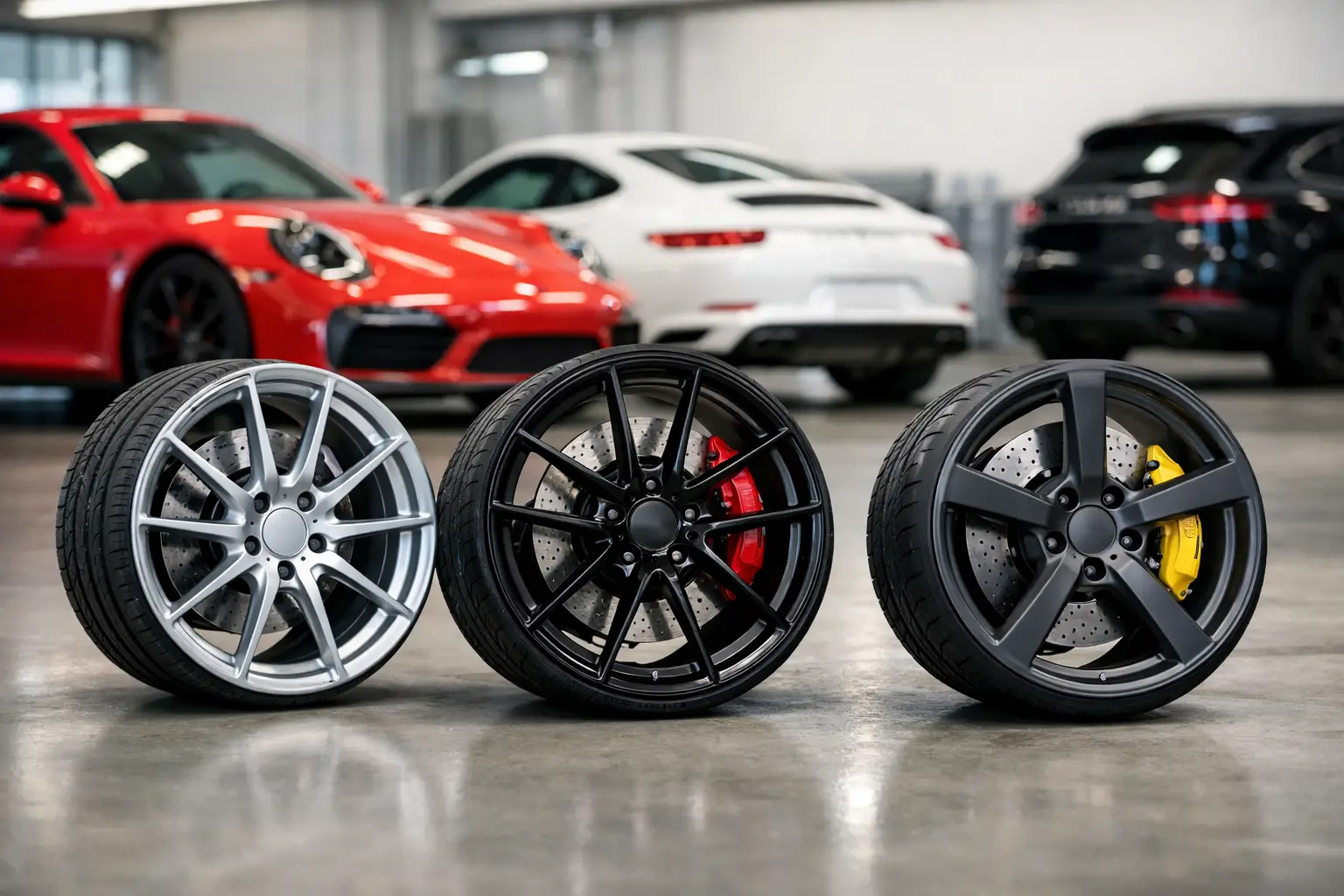
A Porsche wheel upgrade can transform the way your car looks at the kerb and how it feels through a fast, familiar corner. It can also create expensive problems if the new wheels are chosen for their design alone. On a Porsche, the right diameter, width, offset and tyre specification all work together. Get that package right and the result feels purposeful. Get it wrong and you risk rubbing, poor steering feel, warning lights or an MOT issue.
Whether you drive a 911, Boxster, Cayman, Macan, Cayenne, Panamera or Taycan, start with fitment rather than finish. There are plenty of excellent wheel designs available, but the best-looking option is only a good upgrade if it clears the brakes, supports the vehicle correctly and carries the right tyre.
Start a Porsche wheel upgrade with the right measurements
Porsche fitment is not one-size-fits-all. Even within the same model range, brake package, model year, drivetrain and factory wheel option can affect what fits safely. The familiar Porsche 5×130 PCD is common across many models, but it is only one part of the specification.
Wheel diameter and width determine the tyre sizes you can use. Offset, shown as ET, controls where the wheel sits in the arch. A lower offset moves the wheel further outwards, while a higher offset pulls it inwards towards the suspension. Neither direction is automatically better. The aim is suitable inner clearance, sensible outer arch position and correct steering and suspension movement.
Centre bore matters too. Many Porsche applications use a 71.6 mm centre bore, but it should always be confirmed against the vehicle and wheel. A wheel needs to be properly hub-centric, either through the correct machined bore or accurately sized spigot rings where appropriate. Wheel bolts must also match the wheel seat type. A bolt designed for an OE ball-seat wheel may not be correct for an aftermarket wheel using a tapered seat.
This is why a registration check alone is not always enough when ordering wheels. Supplying the exact Porsche model, year, engine, brake specification and current wheel-and-tyre sizes gives a fitter the information needed to check the full package.
Brake clearance is not optional
A wheel can share the correct PCD and still fail to fit over the brakes. Larger Porsche calipers, carbon ceramic brake systems and some performance brake packages need considerably more barrel and spoke clearance than a standard setup.
Never assume that a 19-inch or 20-inch wheel will clear simply because it is the same diameter as the wheel currently fitted. The internal profile varies between wheel designs. A proper fitment check, and a manufacturer brake-clearance template where available, is far safer than finding out at the workshop that the wheel touches a caliper.
Choose diameter for the road you drive
Moving up a wheel size is popular because it fills the arches and can give the car a more modern, planted appearance. A larger wheel normally means a lower-profile tyre, however, and that changes the character of the car.
A sensible Porsche wheel upgrade might move from 18 to 19 inches, or from 19 to 20 inches, provided the tyre rolling radius remains close to the original approved setup. The bigger wheel can sharpen turn-in and reduce the visual gap around the tyre, but the shorter sidewall has less ability to absorb potholes and broken road surfaces. In Dorset and across the wider UK, that is a real consideration rather than a minor detail.
For a daily-driven Boxster or Cayman, a lighter 18-inch or 19-inch package can often deliver a better balance of response, comfort and tyre cost than the largest wheel that will physically fit. A 911 used mainly for weekend road driving may suit a factory-style staggered 19-inch or 20-inch arrangement. For a Cayenne, Macan or Taycan, load capacity and tyre availability deserve as much attention as appearance.
Larger wheels can also be heavier. Added unsprung weight can blunt ride quality and make a car feel less eager over uneven surfaces. A quality lightweight alloy in the correct size may improve the driving experience more than a heavy oversized wheel.
Tyres complete the wheel package
Wheels and tyres should be selected together, not as two separate purchases. The tyre must be approved for the wheel width, have sufficient load index and speed rating, and maintain a rolling circumference that works with the vehicle’s systems.
Many Porsches use staggered wheels, with wider rear tyres than front tyres. This arrangement supports rear traction and the intended handling balance, particularly on rear-engined and mid-engined models. Fitting equal-width wheels where the car was designed for a staggered setup can be possible on some applications, but it is not a casual change. It affects tyre rotation options, steering response and chassis balance.
On four-wheel-drive Porsche models, closely matched rolling circumference between front and rear tyres is especially important. Significant differences in tread depth, tyre model or overall diameter can place unnecessary strain on drivetrain components and may interfere with traction systems. Replacing tyres as a considered set is often the better decision where there is a meaningful mismatch.
The sidewall carries more information than many drivers realise. Porsche-approved N-marked tyres are developed for specific Porsche models and can be a sensible choice for drivers who want the intended balance of handling, noise and high-speed stability. They are not the only tyres that can be fitted safely, but any alternative should be selected carefully for the car, driving style and use.
OE, aftermarket, used or refurbished wheels?
There is no single correct route. Genuine Porsche wheels usually offer straightforward fitment confidence, familiar styling and strong resale appeal. They can be an excellent choice when replacing damaged wheels or moving to a larger factory option. Check part numbers, dimensions and condition carefully, as an OE wheel from another Porsche model may not automatically suit yours.
Quality aftermarket wheels open up more choice in design, finish and weight. The key word is quality. Look for wheels with appropriate load ratings and recognised testing standards, rather than choosing solely by appearance or price. This is particularly important for heavy SUVs, EVs and high-performance models where wheel loads are substantial.
Used wheels can offer very good value, especially when buying an original set, but inspection is essential. Look for cracks, welding repairs, corrosion around the bead seat, buckles and signs of poorly repaired kerb damage. A wheel may look presentable from the front yet have damage on the inner rim. Tyre removal and a proper assessment tell the full story.
Refurbishment is often the sensible alternative when your existing Porsche wheels are structurally sound but tired. Kerbing, peeling lacquer and corrosion can make a good wheel look past its best. A professional refurbishment can restore the finish and help retain the original specification. Structural damage is different: a cracked or heavily buckled wheel needs expert assessment before it is considered for any cosmetic work.
Avoid spacers as a shortcut
Spacers are sometimes used to bring wheels closer to the edge of the arch, but they are not a universal answer to incorrect offset. A properly engineered, hub-centric spacer with suitable extended bolts can be appropriate on some vehicles. It still needs clearance checks, correct bolt engagement and careful installation.
Using spacers to make an unsuitable wheel fit can create problems at both the arch and suspension side. It can also increase stress on components and lead to vibration if the wheel is not accurately centred. It is normally better to buy a wheel with the right offset in the first place.
Fitting, alignment and the legal details
A Porsche wheel upgrade is not finished when the bolts are tightened. Correct tyre pressures, torque settings and wheel balance matter straight away. TPMS sensors may need to be transferred, replaced or relearned depending on the vehicle and sensor type. After fitting, turn the steering from lock to lock and check clearance through suspension movement, not just while the car is stationary.
If the wheels change width, offset or tyre size significantly, a four-wheel alignment is worthwhile. Alignment settings have a major effect on Porsche handling and tyre wear. An existing alignment issue can quickly ruin a new set of tyres, especially on the inner edges.
Keep the wheels and tyres within legal, safe limits for the vehicle. Tyres must not foul bodywork or suspension, must have adequate load and speed ratings, and should not protrude beyond the arches. Tell your insurer about a non-standard wheel change. It is a quick conversation that can prevent difficulty if you need to make a claim.
Get advice before you commit
The most successful wheel upgrades look as though they could have left the factory that way. They suit the car’s proportions, maintain the driving qualities you enjoy and do not demand compromises you only discover after a few weeks on the road.
Before ordering, have the full specification checked: vehicle details, wheel width and diameter, offset, PCD, centre bore, brake clearance, tyre sizes, load ratings and bolt seat. At The Tyre Barn, that practical fitment-first approach helps Porsche owners choose from new, used and refurbished wheel options with fitting support available in Wimborne. A well-chosen set should make every walk back to the car better, while still feeling right from the driver’s seat.