
All Season Tyre Trends UK Drivers Should Know

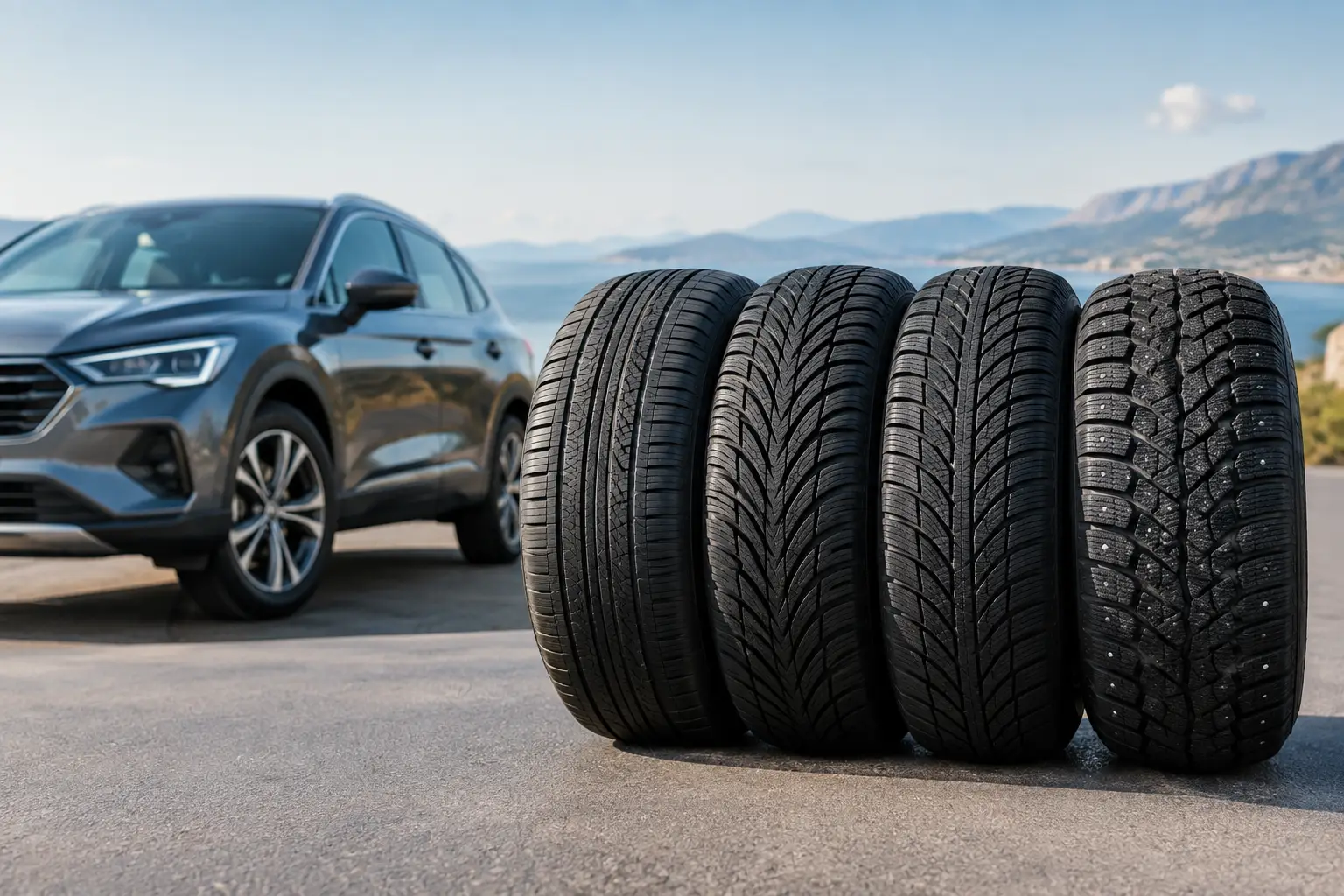
A wet B-road in January, a dry motorway run in July and the occasional frosty school morning ask very different things of the same set of tyres. That is why all season tyre trends are gaining attention among UK drivers. More motorists want one tyre that can deal confidently with changing conditions, without arranging a seasonal wheel change twice a year.
The appeal is straightforward, but the choice still needs care. An all-season tyre is not automatically the best option for every vehicle, journey pattern or driving style. Its performance depends on the tyre design, its size and load rating, the vehicle it is fitted to, and the conditions it will actually face.
Why all-season tyres are becoming more popular
The UK climate suits the idea of an all-season tyre better than many drivers realise. Most areas experience plenty of rain, cold spells and occasional snow, but not necessarily months of consistently deep winter conditions. For drivers covering ordinary mileage on treated roads, a quality all-season tyre can offer a useful middle ground between a summer tyre and a dedicated winter tyre.
Modern designs have moved well beyond the compromises associated with older all-season products. Better tread compounds remain more flexible in lower temperatures than a typical summer tyre, while directional grooves and dense sipes help clear water and find grip on cold, damp surfaces. At the same time, manufacturers have worked to make them quieter, more stable and more durable in warmer weather.
This is particularly attractive for households with one car, company vehicles that need to stay mobile, and drivers who do not have space to store a second wheel and tyre set. It can also make sense for premium SUVs and estates that see a mixture of town driving, motorway mileage and rural roads.
The all-season tyre trends that matter most
Winter capability is becoming easier to identify
One of the most useful developments is the wider availability of tyres carrying the Three-Peak Mountain Snowflake marking, often shortened to 3PMSF. This symbol means a tyre has met a recognised snow-traction test. It is a more meaningful indicator of winter performance than relying on an all-season label alone.
For UK drivers, 3PMSF marking is worth considering if regular journeys include ungritted lanes, higher ground, early starts or trips to areas where winter weather is more likely. It does not turn any vehicle into a snowplough, and four-wheel drive does not replace tyre grip when braking or cornering. However, it gives a capable all-season tyre a genuine advantage when temperatures drop.
Wet grip remains the priority
Rain, standing water and greasy road surfaces are far more common British driving challenges than heavy snow. As a result, the strongest all-season tyre designs are increasingly judged by their wet braking, aquaplaning resistance and predictable handling in persistent rain.
Look beyond a broad claim that a tyre is suitable for all weather. Check the EU tyre label wet-grip rating, but treat it as one part of the picture rather than the whole answer. Tread pattern, tyre width, vehicle weight and remaining tread depth all affect how well a tyre performs through water.
A wider tyre can look right on a performance wheel, but it may be more prone to aquaplaning in deep standing water than a narrower equivalent. That does not make wide tyres unsuitable. It simply means the wheel and tyre package should be chosen around how the vehicle is used, not appearance alone.
EVs and heavier vehicles are influencing tyre design
Electric vehicles, hybrids and large SUVs place particular demands on tyres. Battery weight, instant torque and low cabin noise make load capacity, wear resistance and acoustic comfort more relevant than ever.
Many tyre manufacturers now offer all-season patterns developed for electric and heavier vehicles. The correct load index is essential, especially on EVs and premium SUVs. Choosing a tyre because it is the right diameter is not enough – it must also meet the vehicle manufacturer’s required load and speed ratings.
Drivers should also be realistic about wear. An all-season compound is designed to work across a broader temperature range, but brisk acceleration, heavy vehicle weight and frequent motorway miles will still wear tyres quickly. Regular pressure checks and wheel alignment are not optional extras if you want the best from a new set.
More choice is available in larger fitments
All-season availability used to be strongest in common family-car sizes. That is changing, with more options appearing for 18-inch, 19-inch, 20-inch and larger wheels. This matters to owners of Audi, BMW, Mercedes, Porsche and Range Rover models, where correct fitment can be more involved.
However, a wider catalogue does not mean every tyre will suit every wheel. Tyre width, profile, diameter, load index and speed rating must match the approved specification. Some vehicles also require reinforced, extra-load or run-flat tyres. On staggered wheel set-ups, where front and rear tyre sizes differ, choice can be more limited and the tyre pairing needs extra attention.
Where the compromise still sits
A good all-season tyre aims to be competent across a broad range of conditions. A summer tyre may still offer sharper steering response and stronger dry-weather performance during a hot spell. A dedicated winter tyre is normally the better choice for drivers facing repeated snow, ice or sustained sub-zero temperatures.
That is not a criticism. It is simply the nature of tyre design. One compound cannot be the absolute specialist in every situation. For most Dorset motorists and many drivers across southern England, the all-season compromise can be very sensible. For frequent trips to Scotland, ski destinations or exposed rural areas in winter, a separate winter set may remain the better investment.
Performance-car owners should think carefully too. If the vehicle is driven enthusiastically in warm weather, a premium summer tyre may better suit its handling characteristics. If it is a daily-driven performance car that sees cold, wet roads for much of the year, a high-quality all-season option can be a more practical match.
Choosing an all-season tyre for your vehicle
Start with the tyre size shown on the sidewall of the current tyre or in the vehicle handbook, such as 225/45 R17. Then confirm the required load and speed ratings. If you are changing wheel size, fitting aftermarket alloys or replacing a mixed set-up, the decision becomes more technical. Overall rolling radius, wheel width, offset, brake clearance and arch clearance can all affect safe fitment.
Before ordering, consider four practical questions:
- Does the tyre carry 3PMSF marking if winter mobility matters to you?
- Is its wet-grip performance suitable for the roads and mileage you cover?
- Does the load and speed rating meet or exceed the vehicle requirement?
- Are all four tyres matched, or is there a sound reason for using different tyres front and rear?
Matching tyres across an axle is particularly important. Mixing brands or tread patterns can alter the way a vehicle behaves in the wet, and it can be especially problematic on four-wheel-drive systems. Some manufacturers specify close control of tyre circumference to protect drivetrain components, so replacing tyres as a full set is often the safest approach when tread depths are significantly different.
Fitting, pressure and tread depth make the difference
Even the best tyre cannot perform properly if it is fitted incorrectly, run underinflated or left to wear too far. Correct balancing helps prevent vibration, while alignment protects the tyre from uneven shoulder wear and keeps the vehicle tracking as it should.
The legal UK minimum tread depth is 1.6mm across the central three-quarters of the tread, but waiting until that point is false economy. Wet-weather performance drops as grooves become shallower. Many drivers choose to assess replacement at around 3mm, particularly on tyres relied on through autumn and winter.
Tyre pressures should be checked cold and adjusted to the vehicle manufacturer’s recommendation, taking account of heavier loads where applicable. This is especially relevant before family holidays, towing, carrying work equipment or loading an SUV to capacity. A pressure warning light is useful, but it should not be the only time tyres receive attention.
The best all-season tyre is not simply the one with the most ambitious label. It is the one correctly matched to your vehicle, wheels, annual mileage and the roads you genuinely drive. If you are unsure about size, ratings or suitability, getting proper fitment advice before purchase is far cheaper than correcting the wrong choice afterwards.