
Are Part Worn Tyres Legal? UK Rules Explained

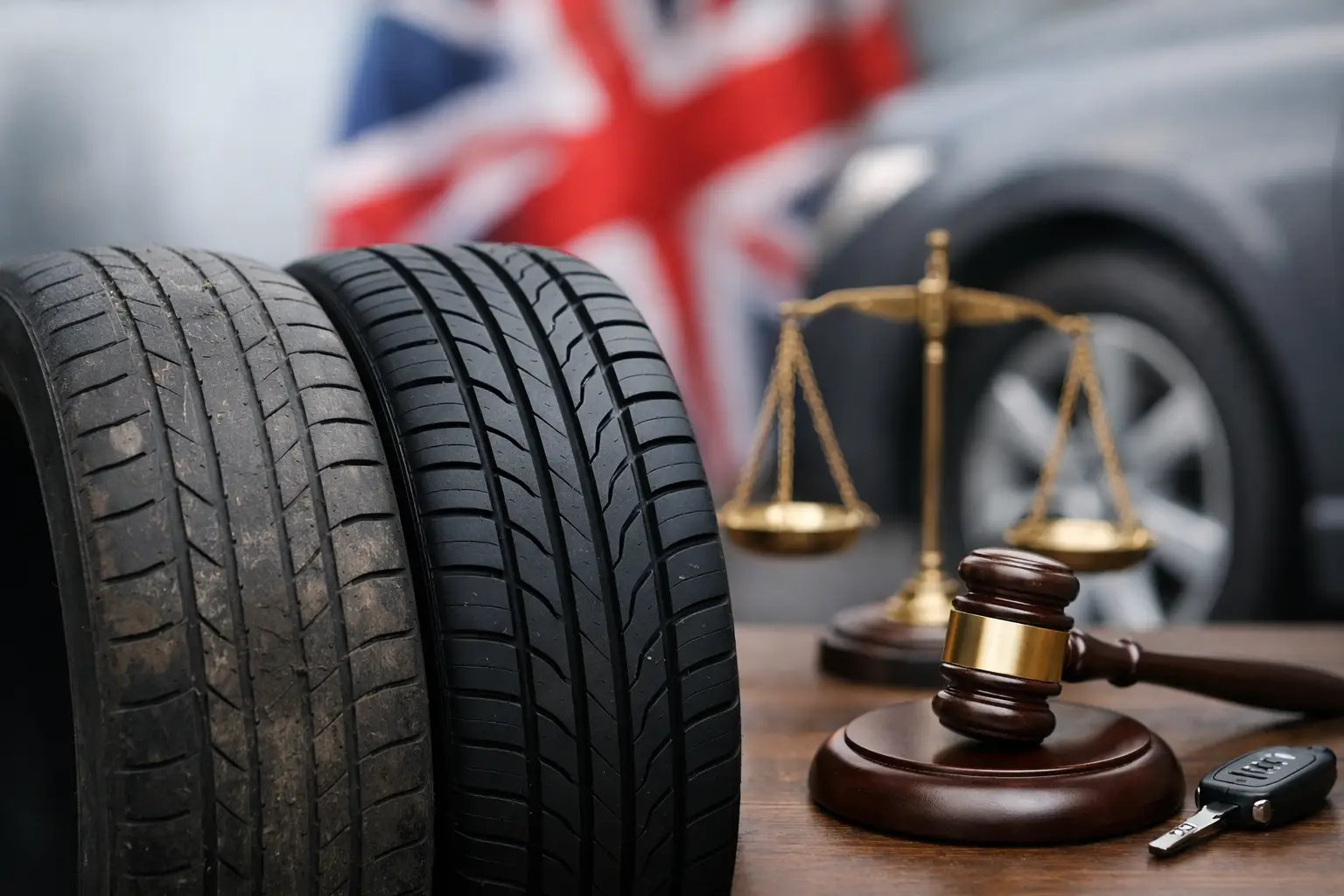
A part-worn tyre can look like a straightforward saving, particularly when a replacement is needed quickly. But are part worn tyres legal? Yes, they can be legal to sell, fit and use in the UK, provided they meet specific safety and labelling rules. The condition of the individual tyre matters far more than its appearance or the amount of tread visible from the outside.
For motorists, the key point is simple: a part-worn tyre is not automatically unsafe, but it needs to have been properly inspected and clearly identified before sale. A tyre with a good-looking tread can still have internal damage, poor repairs or sidewall defects that make it unsuitable for the road.
Are part worn tyres legal in the UK?
Part-worn tyres are legal in the UK when they comply with the Motor Vehicle Tyres (Safety) Regulations. These rules are designed to stop unsafe used tyres being supplied as a cheap alternative to new rubber.
Before a retailer can sell a part-worn tyre, it must be examined internally and externally. It must not have exposed cords, significant cuts, bulges, damaged beads, unsafe repairs or other defects likely to make it dangerous in service. Its load rating and speed rating must also be suitable for the vehicle it is being fitted to.
A legal part-worn tyre must have at least 2mm of tread across the full width of the tread and around its entire circumference. That is higher than the 1.6mm minimum tread depth required for a tyre already in use on a car, but it still leaves less usable life than a new tyre. The 2mm figure is a legal minimum for supply, not a recommendation for when to buy.
The tyre must also retain the required approval and specification markings, including its size, construction, load index and speed symbol. These markings allow the fitter to confirm that it is appropriate for the vehicle and axle.
The PART-WORN marking
A used tyre supplied for further road use must be permanently marked with the words PART-WORN. The lettering must be clear, legible and at least 4mm high. It should be positioned next to the tyre’s approval mark.
This marking is not optional advertising. It tells the buyer that the tyre has been used before and should not be confused with a new tyre. If a retailer offers a used tyre without the correct PART-WORN marking, that should raise an immediate question about whether it has been prepared and supplied correctly.
Road legal does not always mean a good buy
There is an important difference between a tyre being legal to sell and being the best choice for your car. At 2mm, a part-worn tyre may meet the sale requirement, yet offer limited mileage before it reaches the 1.6mm legal driving limit.
Wet-weather performance also reduces as tread gets lower. The grooves have less capacity to clear water, which can increase the risk of aquaplaning. This is particularly relevant on powerful rear-wheel-drive cars, heavier SUVs, vans and vehicles regularly used on Dorset’s wet rural roads.
Age matters as well. Every tyre has a DOT date code on the sidewall, showing when it was manufactured. A tyre can have reasonable tread but still be an old example with hardened rubber or age-related cracking. There is no single age limit that makes every tyre illegal, but an older tyre deserves closer scrutiny, especially if it has spent years fitted to a rarely used vehicle or stored poorly.
The best value is usually a part-worn tyre with plenty of even tread remaining, a recent manufacture date, no history of poor repair and a specification that matches the vehicle correctly. A very cheap tyre close to 2mm can become a false economy once fitting costs and early replacement are considered.
What to check before buying a part-worn tyre
A trustworthy supplier should be happy to explain the tyre’s condition, size and suitability. You should be able to see the tread, sidewalls and markings before it is fitted. Do not rely only on a brand name or a photograph: premium tyres can still be poor purchases if their condition is questionable.
Check these practical details before agreeing to the fitting:
- Tread depth: Ask for the measured depth, not simply whether the tyre is legal. Tread should be even across the tyre, without one shoulder worn much lower than the rest.
- Tyre condition: Look for cracks, cuts, bulges, exposed cords, patches of rubbing and signs of impact damage. Pay attention to both sidewalls, not just the outer face.
- Correct specification: Match the tyre size, load index and speed rating to the vehicle manufacturer’s requirement. This is especially important for premium vehicles, performance models and commercial applications.
- Date code and repair history: Ask about the tyre’s age and whether it has been repaired. A professional repair can be acceptable, but it must be sound and carried out in the correct repairable area.
A tyre should be checked on the inside as well as the outside. Internal damage is one reason buying loose used tyres privately can carry more risk. A tyre may have been driven while flat, damaged by a pothole or removed from a vehicle following an impact, with little obvious evidence visible once it has been taken off the wheel.
Matching tyres across the axle
When replacing one tyre, the new or part-worn replacement needs to work with the tyre already on the other side of the axle. Ideally, tyres on the same axle should be the same size, construction and similar pattern. Differences in tread depth, grip and rolling behaviour can affect stability, braking and the way a vehicle responds in the wet.
For four-wheel-drive and all-wheel-drive vehicles, including many Audi, BMW, Mercedes and Range Rover models, closely matched rolling circumference can be particularly important. A significant difference in tyre wear or specification may place unnecessary strain on drivetrain components. The acceptable tolerance varies by manufacturer, so it is worth checking the vehicle handbook or asking a knowledgeable fitter before mixing tyres.
If two tyres on an axle need replacing, a matched pair is often the sensible route. On most vehicles, the tyres with the deeper tread should be fitted to the rear axle to support stability in wet conditions, even where the car is front-wheel drive.
When part-worn tyres make sense
Part-worn tyres can be a practical option when a vehicle needs a like-for-like tyre quickly, when a tyre has been damaged soon after the others were fitted, or when a customer needs a cost-conscious replacement with meaningful tread remaining. They can also help owners of specialist wheel sizes where a suitable used premium tyre represents better value than a budget new alternative.
They are less suitable where maximum wet grip, long service life or consistent performance is the priority. For regular motorway mileage, family transport, heavy loads or enthusiastic driving, a new tyre commonly gives clearer value over its full lifespan. The same applies if the available part-worn tyre is old, close to the minimum tread requirement or mismatched to the tyre opposite it.
Why professional fitting matters
Correct fitting is part of the safety decision. The wheel should be inspected for corrosion, cracks and damage around the bead seat, then the tyre should be fitted, inflated and balanced correctly. The valve should be checked or replaced as needed, and tyre pressures set for the vehicle and load.
At The Tyre Barn, the benefit of choosing a fitting centre rather than taking a chance on an unknown loose tyre is the ability to check tyre condition, wheel fitment and specification in one place. This is useful where alloy wheel offsets, wider rear tyres, run-flat fitments or manufacturer-specific load ratings are involved.
A legal part-worn tyre can be a sensible purchase, but only when it is properly marked, carefully inspected and genuinely right for the car. Ask to see the details, choose tread depth that gives you useful remaining life, and do not let a low price outweigh safe fitment.