
Runflat Tyre Comparison for Everyday UK Drivers

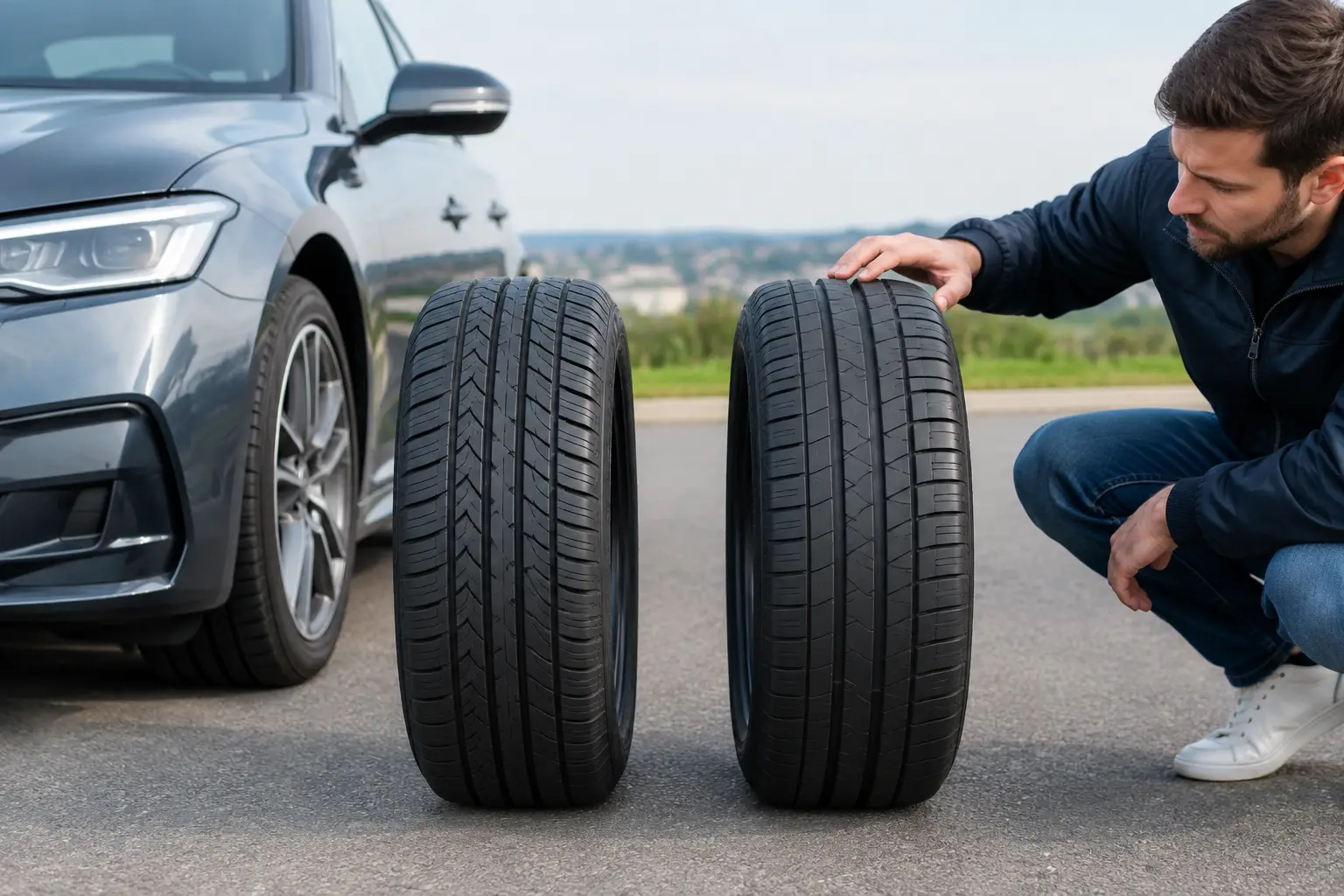
A puncture on a busy dual carriageway is never convenient. For many BMW, MINI, Mercedes and premium-car owners, run-flat tyres are designed to remove the need to stop at the roadside immediately. This runflat tyre comparison looks beyond the sales claim, covering how they drive, what they cost, where they make sense and when a conventional tyre may be the better replacement.
The right answer depends on your vehicle, its original specification and how you use it. A run-flat tyre can be a very practical choice, but only when the size, load rating, speed rating and fitment are correct.
What makes a run-flat tyre different?
Most run-flat tyres use reinforced sidewalls. If the tyre loses air pressure, those strengthened sidewalls are intended to support the vehicle’s weight temporarily, allowing the driver to continue at a reduced speed for a limited distance. The precise limit varies by tyre and vehicle, but it is commonly up to around 50 miles at no more than 50mph. Always check the tyre manufacturer’s guidance rather than treating this as a guaranteed allowance.
A smaller number of systems use a support ring inside the tyre, but reinforced-sidewall designs are what most UK motorists will encounter. In either case, the tyre is not meant to be driven on indefinitely after a puncture. It is a way to reach a safe location, a tyre centre or home without fitting a spare at the roadside.
Because a deflated run-flat can still look fairly normal from behind the wheel, a working tyre-pressure monitoring system is essential. The warning on the dashboard is what tells you to slow down, avoid sharp manoeuvres and arrange an inspection.
Runflat tyre comparison: the main trade-offs
The strongest argument for run-flats is safety and convenience. A sudden loss of pressure is less likely to leave you stranded on a live road, and there is no need to unload the boot, find a locking wheel-nut key or use an inflation kit in poor weather. For drivers who regularly use motorways, carry children or travel alone, that reassurance has genuine value.
There is also a packaging benefit. Cars supplied with run-flats often have no spare wheel, freeing space and reducing some vehicle weight. That is why they are a common factory fitment on models where boot space is at a premium.
The compromise is ride quality. Reinforced sidewalls are less flexible than a conventional tyre, so bumps and sharp road edges can feel more noticeable, particularly on larger alloy wheels with lower-profile tyres. Modern premium run-flats are far better than earlier versions, but on rough Dorset lanes or broken urban roads, the difference can still be apparent.
Cost is another consideration. Run-flats are often more expensive than an equivalent conventional tyre, and a punctured run-flat may not be repairable if it has been driven with low pressure. The internal damage is not always visible from the outside. A proper inspection by a tyre professional is the only sensible way to judge it.
Noise and handling are less clear-cut. Some drivers find a conventional tyre quieter and more compliant, while others prefer the direct steering response that a firmer sidewall can bring. Tyre pattern, vehicle suspension, wheel diameter and pressures all affect the result, so it is not as simple as saying every run-flat will be louder or harsher.
Should you replace run-flats with conventional tyres?
This is one of the most common questions at fitting time. It can be possible on some vehicles, but it should never be treated as a simple price-led swap. The vehicle may have been developed around the response, load support and puncture capability of run-flat tyres. Changing to conventional tyres can alter how the car feels and, crucially, leaves you without the mobility provision that the manufacturer expected you to have.
Before changing type, check the vehicle handbook, tyre-pressure monitoring system and whether you have a spare wheel, space-saver wheel or approved repair kit. A conventional tyre may be a better option for a driver prioritising comfort, but only if there is a sensible plan for a puncture.
Avoid mixing run-flats and conventional tyres on the same axle. Even where a manufacturer permits a mixed setup across axles, matching tyre type across all four wheels is usually the most predictable arrangement for braking, steering and stability systems. On performance vehicles, manufacturer-approved markings can matter too. BMW star-marked, Mercedes MOE and certain Porsche-approved tyre specifications are examples where the original fitment deserves careful attention.
Fitment matters more than the tyre label
A run-flat tyre must match the vehicle’s required size, load index and speed rating. The figures on the sidewall are not just catalogue details. They determine whether the tyre is approved to carry the vehicle safely and perform as intended.
For example, two tyres may both be listed as 225/45 R18, yet have different load capacities, speed ratings, reinforcement and original-equipment approvals. Choosing solely by width and rim diameter can lead to an unsuitable tyre. This is particularly relevant for heavier SUVs, electric vehicles and premium saloons, where vehicle weight and torque place greater demands on the tyre.
Wheel condition matters as well. A corroded, cracked or badly kerbed alloy can compromise the air seal between tyre and rim. If a run-flat has lost pressure, it also needs checking for sidewall damage and signs of being driven flat. A tyre-pressure warning should not be ignored simply because the car still feels driveable.
At The Tyre Barn, correct fitment starts with the vehicle and wheel, not just the cheapest tyre in a search result. That approach helps avoid mismatched specifications and gives you a clearer view of whether a direct run-flat replacement or a carefully planned change to conventional tyres is appropriate.
When run-flats are a good choice
Run-flat tyres are often the right decision if your car left the factory with them and you value retaining its original puncture mobility system. They are particularly useful for motorway drivers, owners without a spare wheel, and people who would rather not deal with a roadside wheel change.
They also suit drivers who want a straightforward replacement with no change to the vehicle’s intended setup. If the current tyres have delivered acceptable comfort and handling, replacing like for like is usually the lowest-risk option.
Conventional tyres may appeal if ride comfort is your main priority, especially with large-diameter alloys, but the decision should include the cost and practicality of carrying a suitable spare or repair solution. A puncture kit can help with some tread punctures, but it will not solve every type of tyre damage.
What to do after a run-flat warning
If the tyre-pressure monitoring light comes on, reduce speed smoothly and avoid hard braking, sudden steering inputs and long journeys. Find a safe place to stop and inspect the tyres if conditions allow. Do not rely on appearance alone, as a run-flat can support the car with very little remaining pressure.
Check the vehicle handbook for the permitted reduced-speed distance, then arrange an inspection as soon as possible. Continuing to drive once the allowed distance has been used can destroy the tyre and may risk damage to the wheel.
A good tyre choice is not just about getting home after a puncture. It is about choosing a specification that suits your car, your journeys and the level of roadside reassurance you want every time you set off.