
Tyre Fitting Wimborne Done Properly

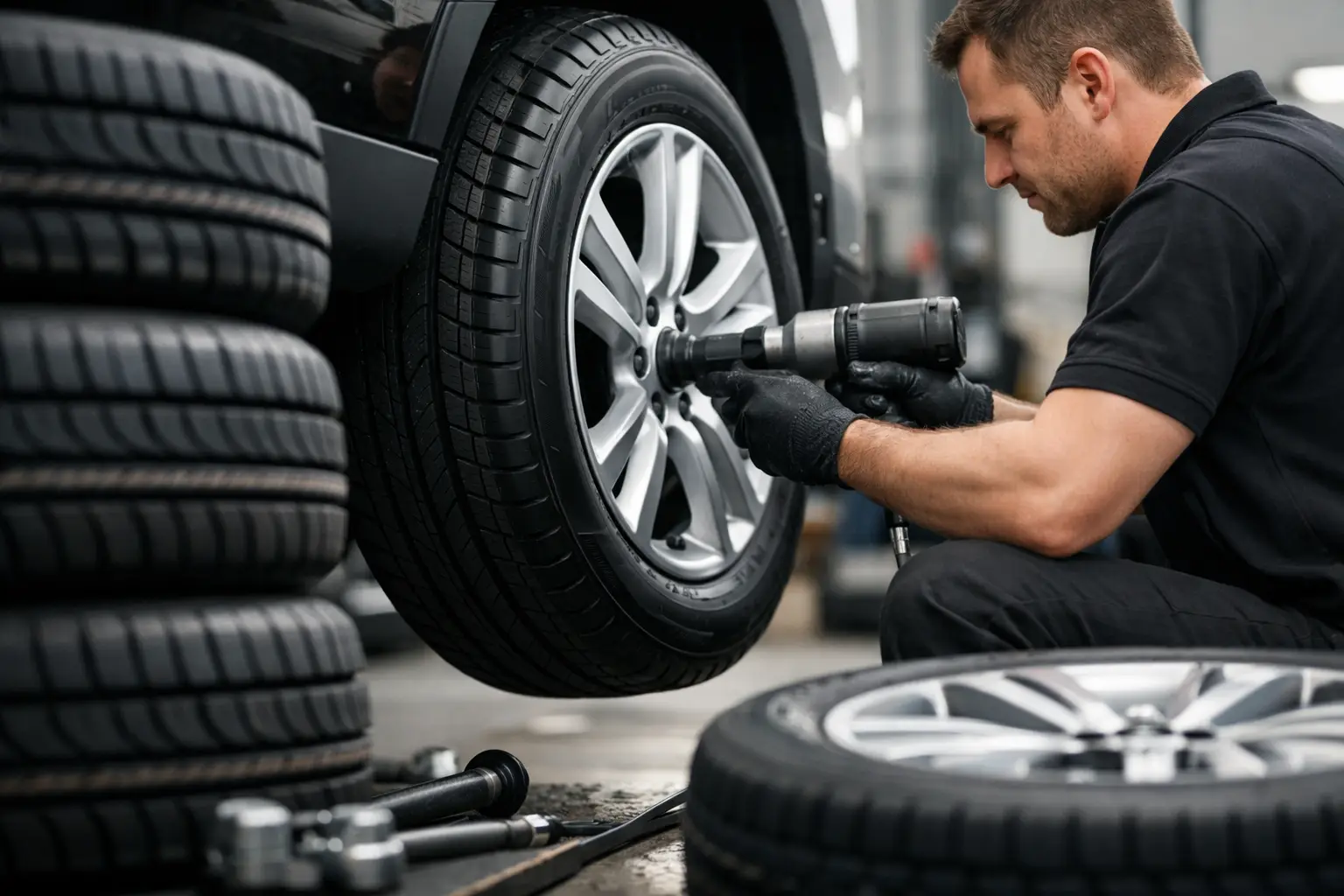
A tyre rarely picks a convenient time to give up. It is usually on the school run, before work, or when you have a long motorway trip ahead. That is why tyre fitting Wimborne drivers rely on needs to be more than a quick swap in a bay. It needs to be accurate, safe and matched properly to the vehicle, the wheel and the way you actually drive.
A lot of people still buy on price alone, and sometimes that is fair enough. If you need a straightforward replacement for everyday driving, there is no sense paying for a tyre that does not suit the job. But fitting tyres properly is not just about putting rubber on a rim. Load rating, speed rating, size, vehicle use, wheel condition and alignment all matter. Get those right and your tyres wear evenly, grip properly and last as they should. Get them wrong and even a decent tyre can feel poor within a few thousand miles.
What good tyre fitting in Wimborne should include
At the most basic level, tyre fitting means removing the old tyre, checking the wheel, fitting the new one, balancing it and refitting it to the car. In practice, there is more to it than that.
A proper fitting appointment should start with confirming the correct tyre size and specification. That includes not only the numbers on the sidewall, but whether the tyre is suitable for the vehicle itself. Some cars are less forgiving than others. Performance models, SUVs and premium German marques often respond badly to the wrong construction or rating, even if the size looks correct on paper.
The condition of the wheel also matters. Corrosion around the bead seat, previous repairs, cracks and buckling can all affect how well a tyre seals and runs. If a wheel is not sound, replacing the tyre alone will not solve the problem. That is one reason specialist knowledge makes a difference. A fitting centre that also deals in alloy wheels and refurbishment can usually spot issues earlier and advise properly rather than simply fitting and hoping for the best.
Balancing is another area where shortcuts show up quickly. Poor balancing often feels like vibration through the steering wheel at speed, but it can also contribute to uneven wear over time. Then there is tyre pressure. Too many cars leave workshops with pressures set roughly rather than correctly. That affects grip, ride comfort and tyre life from day one.
Choosing the right tyre, not just the cheapest one
The best tyre for one driver can be the wrong choice for another. That is the part many online comparisons miss.
If your car is mainly used for local trips and moderate annual mileage, a quality mid-range tyre may be the sensible option. If you do heavy motorway miles, carry family and luggage regularly, or drive a more powerful car, it usually pays to move up a level in performance and durability. For vans and commercial vehicles, sidewall strength and load handling become even more important.
There is also the question of part-worn versus new. Part-worn tyres can make sense for some buyers, particularly where budget is the deciding factor, but they need to be sourced and inspected properly. Not every used tyre is good value. Tread depth is only part of the story. Age, previous damage, uneven wear and repairs all matter. Buying blind to save a few pounds can end up costing more when the tyre needs replacing again far sooner than expected.
For enthusiasts and owners of premium vehicles, tyre choice tends to be more specific. Some want a road setup that sharpens steering without ruining ride quality. Others need the right tyre to complement upgraded alloys or a staggered fitment. In those cases, the cheapest option is rarely the most satisfying one. Fitment accuracy is what keeps the car driving as it should.
Why correct fitment matters more than most drivers realise
Tyres are one of the few parts on a car that influence almost everything at once. Braking, wet grip, steering response, road noise and fuel economy all run through the contact patch.
That is why the details matter. A tyre with the wrong load index may not cope properly under the weight of the vehicle. A lower speed rating than recommended is an obvious issue, but even the wrong pattern across an axle can upset balance and handling. On some vehicles, mixing budgets with premium tyres side to side or front to rear can make the car feel inconsistent, especially in the wet.
There are also cases where an apparent tyre problem is really a wheel or geometry issue. If the inner edge is worn away while the rest of the tread looks healthy, fitting another tyre without checking alignment is only treating the symptom. The new tyre will likely wear the same way. The same goes for repeated pressure loss caused by a damaged wheel or poor sealing surface.
This is where a workshop with broad stock and practical experience has an advantage. If the correct answer is a new tyre, that is straightforward. If the real issue is a buckled alloy, corrosion, or an unsuitable previous fitment, you want that picked up before money is spent in the wrong place.
Tyre fitting Wimborne drivers often need at short notice
Urgency changes the buying decision. When a tyre fails unexpectedly, most customers are not comparing ten different patterns over a week. They need the right size, available quickly, fitted properly, and back on the road.
Stock depth matters here. A supplier with broad inventory can usually offer better options on the day, whether that is a premium replacement, a sensible mid-range choice or a carefully selected part-worn tyre for a more affordable fix. That matters even more with less common sizes, run-flats, commercial fitments and manufacturer-specific setups.
Convenience also goes beyond speed. If you are replacing tyres and also need advice on wheel condition, refurbishment or a change of alloys, it helps to deal with one specialist rather than split the job between multiple places. That joined-up approach saves time and tends to reduce mistakes.
For local drivers, this is where a specialist workshop model stands out. The Tyre Barn combines stock, fitment knowledge and on-site service in a way that suits both everyday motorists and owners who are more particular about setup.
When to replace tyres rather than keep stretching them
Some tyres make the decision for you. A puncture in the wrong area, sidewall damage, exposed cords or a bulge means replacement is the sensible route. With general wear, drivers often wait until the legal limit is close, but that is not always wise.
A tyre can still be legal and already be poor in wet conditions. As tread drops, water clearance reduces, and that affects stopping distances and resistance to aquaplaning. If you do regular motorway driving or carry passengers often, replacing earlier can be the safer call.
Age is another factor that gets overlooked. A tyre with decent tread but cracked rubber or signs of weathering is no bargain. Likewise, if one tyre is badly worn because of alignment issues, replacing only that single tyre may not be the best long-term answer. Sometimes replacing a pair and correcting the underlying cause gives better value overall.
What to ask before booking tyre fitting
You do not need to know every technical detail, but asking a few sensible questions helps. Confirm the exact size and rating being fitted. Ask whether balancing and valve replacement are included. If the old tyre has worn unevenly, ask whether the wheel and alignment should be checked. If you are considering part-worns, ask about tread depth, age and inspection standards.
For vehicles with upgraded alloys or unusual fitments, it is worth mentioning that upfront. The same applies if the car is used for towing, long motorway mileage or spirited road driving. Tyres are not one-size-fits-all in practice, even when the sidewall number matches.
Price matters, of course, but value is about the full job being done correctly. A slightly cheaper fitting that ignores wheel condition or sends the car out with the wrong pressures is not a saving for long.
The right tyre fitted properly should give you one less thing to think about. It should track straight, feel stable in the wet, wear evenly and suit the way the vehicle is used. If you are booking tyre fitting in Wimborne, that is the standard worth expecting.