
How Much New Tyre Cost in the UK?

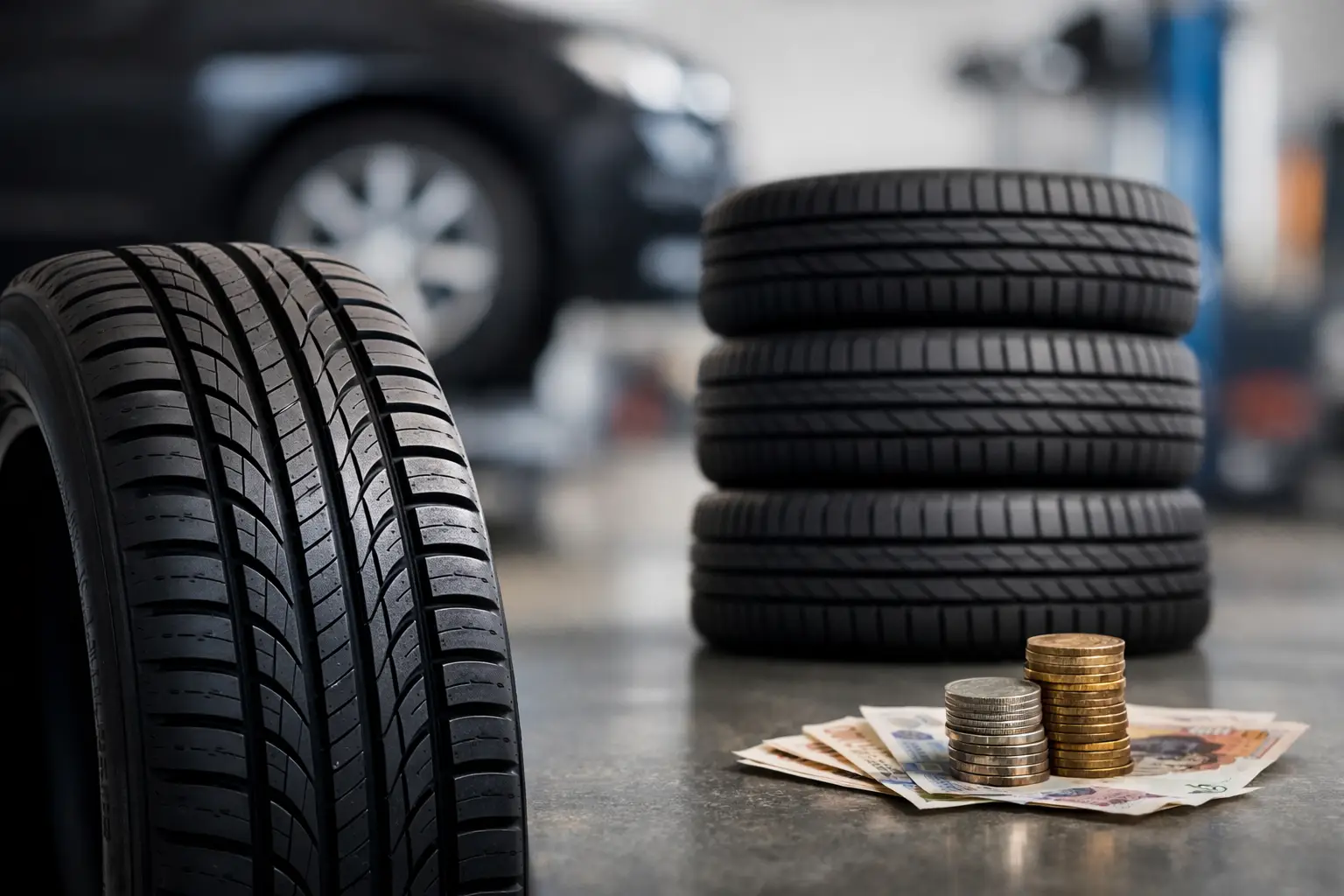
A tyre price can look simple until you compare two options in the same size and find one at £55 and another at £165. If you are wondering how much new tyre cost, the honest answer is that it depends on size, brand, speed rating, vehicle type and what you expect from the tyre once it is on the car.
For most drivers, the real question is not just the ticket price. It is what you are getting for that money – grip in the wet, road noise, tread life, fuel economy, load capacity and confidence that the tyre is right for the vehicle. That is where tyre pricing starts to make more sense.
How much new tyre cost for most UK drivers?
For a typical small hatchback or family saloon, a new tyre often falls somewhere between £50 and £130 per tyre. Budget tyres usually sit at the lower end, mid-range tyres in the middle, and premium brands at the top.
Once you move into larger SUVs, premium German cars, vans or performance models, prices climb quickly. It is not unusual to see tyres at £140 to £250 each, and specialist fitments can go well beyond that. Low-profile tyres, extra load ratings and run-flat construction all add cost.
That means a full set could be anything from around £200 for a basic small-car setup to £1,000 or more for high-performance or prestige vehicles. The size on the sidewall is a big part of the story, but it is not the only part.
What affects how much a new tyre costs?
Tyre size
Bigger tyres cost more. That is the clearest rule. A 15-inch tyre for a small hatchback is usually far cheaper than a 20-inch tyre for a Range Rover or BMW SUV.
Width and profile matter too. A wider tyre uses more material, and lower-profile tyres are often fitted to higher-spec vehicles where performance matters more. As a result, the market price tends to rise with the complexity of the fitment.
Brand level
Tyres broadly sit in three pricing bands – budget, mid-range and premium. Budget tyres are usually the cheapest way to get a legal, usable replacement. Mid-range tyres often offer a better balance of price and everyday performance. Premium tyres command more because they generally deliver stronger wet grip, more predictable handling, lower noise and better refinement.
That does not mean every driver needs a premium tyre. A local runabout used for short journeys has different needs from a motorway car covering 20,000 miles a year.
Vehicle type
A city car, hot hatch, executive saloon and commercial van do not ask the same things of a tyre. Heavier vehicles need stronger construction and often higher load ratings. Performance cars need tyres that can cope with speed, heat and sharper handling demands.
That is why the same brand can be cheap in one size and expensive in another. You are not just buying rubber. You are buying a tyre built for a specific job.
Run-flat and specialist construction
Run-flat tyres are usually more expensive than standard tyres in the same size. They are designed to support the vehicle for a limited distance after a puncture, which requires a stiffer and more specialised construction.
Other specialist options can also increase the price, including reinforced sidewalls, acoustic foam for noise reduction, all-season compounds and tyres approved for specific manufacturers.
Speed and load rating
Two tyres may share the same size but have different speed and load ratings. The one with the higher specification often costs more. This matters because fitting the wrong rating can affect safety, legality and vehicle performance.
It is one of the reasons tyre shopping by size alone can lead to the wrong choice.
Typical tyre price ranges by vehicle
For smaller cars such as a Ford Fiesta, Vauxhall Corsa or Volkswagen Polo, budget tyres often start around £50 to £70, mid-range options are commonly £65 to £90, and premium tyres may sit between £90 and £130.
For family cars such as a Volkswagen Golf, BMW 3 Series or Audi A4, prices tend to shift upward. Budget tyres may start around £70 to £90, mid-range tyres around £90 to £120, and premium options often land between £120 and £180.
For SUVs and 4x4s, especially in 19-inch to 22-inch sizes, prices rise again. A budget option might begin around £90 to £120, while premium tyres can easily reach £180 to £300 each depending on the fitment.
For vans and commercial vehicles, expect pricing to reflect the heavier-duty build. These tyres are chosen as much for load-carrying ability and durability as outright comfort, so cost can be higher than some car owners expect.
These are sensible working ranges rather than fixed rules. The exact vehicle, tyre size and specification always decide the final figure.
Why one tyre in the same size can cost much more than another
This is where many buyers pause. If two tyres both fit the car, why is one twice the price?
Part of the answer is testing and development. Premium brands spend heavily on compound design, water evacuation, braking performance and wear characteristics. That often shows up in real-world driving, especially in the wet, at motorway speeds or during emergency braking.
Part of it is refinement. Some tyres are quieter, smoother and more stable under load. If you drive a premium saloon or SUV, the wrong tyre can make the vehicle feel less composed than it should.
And part of it is longevity. A cheaper tyre is not always better value if it wears out quickly or performs poorly in cold, wet conditions. The lowest upfront price can be the most expensive option over time.
Should you buy budget, mid-range or premium?
For some drivers, a budget tyre is a perfectly fair choice. If the car is older, annual mileage is low and the usage is mostly local, there is no point pretending everyone needs top-shelf rubber.
Mid-range tyres are often the sweet spot for value. They usually give a noticeable step up in quality without the full premium price, which suits a lot of everyday motorists.
Premium tyres make the most sense when the car itself is performance-focused, heavily loaded, driven long distances or fitted with larger wheels where handling and braking matter more. They are also a sensible choice for drivers who want the car to feel as the manufacturer intended.
The best option depends on the car, the mileage and how fussy you are about road noise, grip and steering feel.
The cost beyond the tyre itself
When asking how much new tyre cost, remember the tyre is not always the whole bill. Fitting, balancing, new valves and disposal of the old casing may be charged separately depending on how the supplier prices the job.
If the car needs alignment, that is another cost worth considering. Poor alignment can scrub out a new tyre far sooner than it should, so skipping that check can be a false economy.
There is also the matter of replacing one tyre versus a pair or a full set. Sometimes one damaged tyre is all you need. In other cases, tread depth differences across an axle or on a four-wheel-drive vehicle make a single replacement a poor idea.
How to avoid paying the wrong price
The wrong price is not always the highest one. It is the amount you pay for a tyre that does not suit the vehicle or your driving.
Start with the exact tyre size and check the load and speed rating. Then think honestly about usage. School run car, motorway commuter, weekend performance car and working van all need different things.
It also helps to buy from a supplier that understands fitment properly. That matters even more if the car is on larger alloys, uses run-flats, has staggered wheel sizes or is a premium marque with manufacturer-specific requirements. A good tyre match avoids compromise and saves hassle later.
If you are unsure, expert advice is worth more than chasing the absolute cheapest number on a screen. The right tyre should fit correctly, perform properly and last as expected.
Is a part-worn tyre a cheaper alternative?
Sometimes, yes. A part-worn tyre can reduce upfront cost, which is why some drivers consider them for older vehicles or temporary use. But they are not directly comparable to a new tyre on condition, tread life or long-term value.
A good part-worn can make sense in the right situation, but if you are comparing like for like on performance, lifespan and peace of mind, a new tyre is still the clearer benchmark.
A realistic answer to how much new tyre cost
For most UK motorists, expect around £50 to £130 per tyre for ordinary cars and more for larger, premium or specialist vehicles. The final figure comes down to fitment, brand and whether you want the cheapest option that fits or the best option for how the car is actually used.
If you are replacing tyres, focus on value rather than just price. A tyre that suits the vehicle properly will usually repay the difference in grip, wear and confidence every time you drive it.