
Best Alloy Wheels for BMW: What to Choose

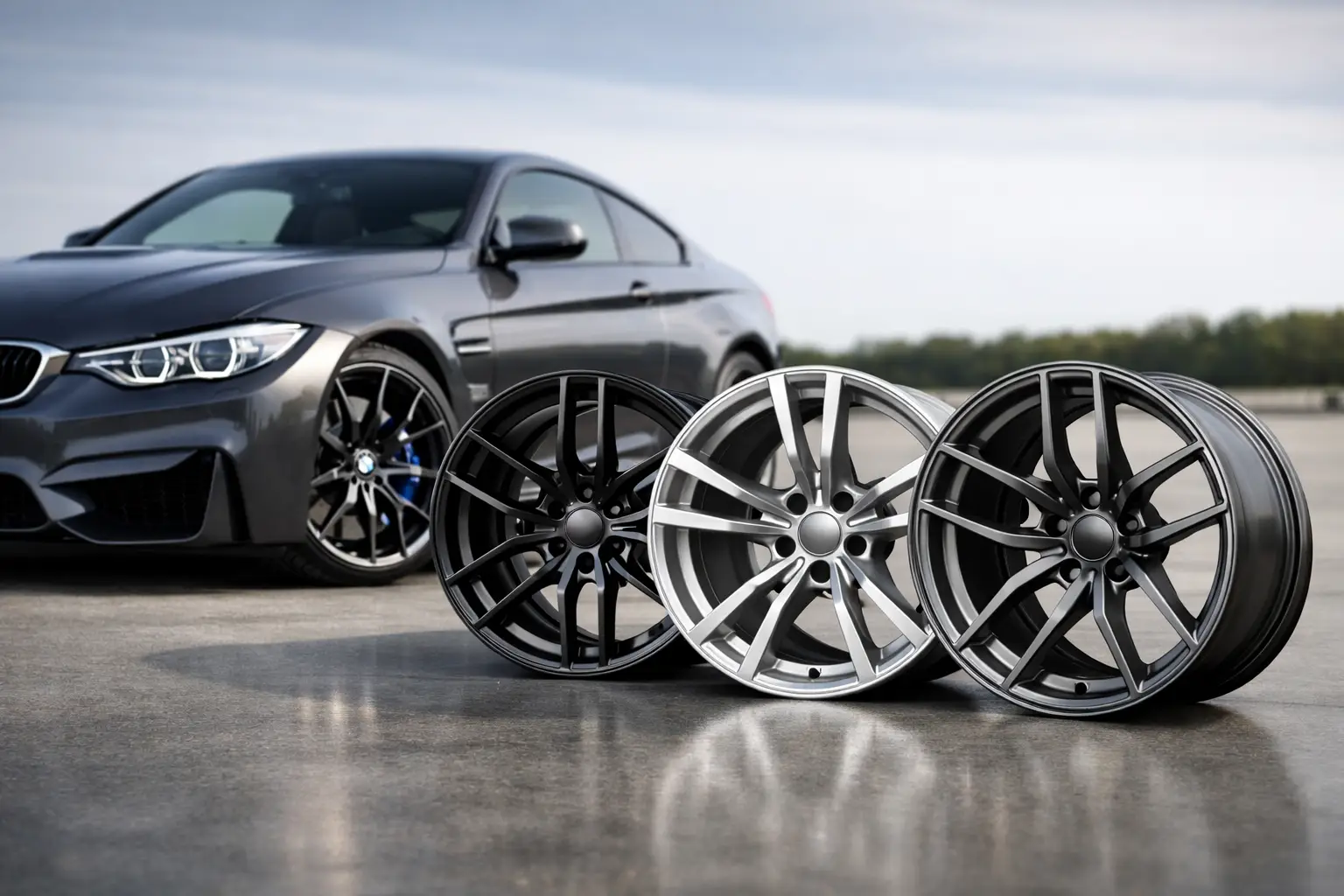
BMW owners usually know when a set of wheels is wrong before they know exactly why. The stance looks off, the arches seem too full or too empty, the ride goes harsh, or the steering loses that clean BMW feel. That is why choosing the best alloy wheels for BMW is not really about picking the flashiest design. It is about getting the fitment, size, weight and style right for the way you actually use the car.
A BMW can look superb on the right aftermarket wheel, but these cars are less forgiving than many people expect. Offset, centre bore, brake clearance and tyre pairing all matter. Get those right and the car looks sharper, drives properly and avoids the usual headaches around rubbing, vibration or poor ride quality.
What makes the best alloy wheels for BMW?
The best choice depends first on the BMW you own. A 1 Series daily driver, a lowered 3 Series M Sport, an X5 on family duties and an M car used hard on B-roads all need slightly different thinking. There is no single wheel that suits every BMW, even if the stud pattern looks the same on paper.
Fitment is the starting point. Most BMWs use a 5×112 or older 5×120 stud pattern depending on age and model, and many owners assume that is enough to shop safely. It is not. You also need the correct centre bore, sensible offset and enough clearance for your brakes. BMWs can be particularly sensitive to offset changes because even small differences can affect the way the wheel sits in the arch and how the steering feels.
Weight matters as well. A lighter alloy wheel can sharpen turn-in and help ride quality because there is less unsprung mass for the suspension to control. That said, ultra-lightweight wheels are not always the best option for every road car. If your BMW spends most of its life on rough roads, strength and durability may matter more than chasing the lowest possible weight.
Then there is style. BMWs generally suit clean, well-proportioned wheel designs better than overcomplicated patterns. Split-spoke, Y-spoke, mesh and motorsport-inspired designs tend to work well because they complement the car rather than overpower it.
Choosing the right wheel size for your BMW
For most owners, size is where good decisions start to go wrong. Bigger is not always better. Yes, a larger wheel can improve the look of the car, especially on M Sport models with generous arches. But going too large can spoil ride comfort, increase the chance of kerb damage and make tyre replacement more expensive.
For many BMW saloons and hatchbacks, 18-inch wheels are the sweet spot. They usually give a strong visual upgrade over smaller factory wheels without making the car feel brittle. On 3 Series and 4 Series models, 19-inch wheels can work very well too, provided the offset and tyre sizes are correct. On smaller models, though, jumping straight to 19s can be a mistake if the car is mainly used for commuting and town driving.
SUVs such as the X3 and X5 can naturally carry larger diameters better, but the same principle applies. You want a size that suits the vehicle and still leaves enough tyre sidewall to cope with real UK roads.
Why tyre choice matters as much as the wheel
A wheel and tyre package should always be treated as one decision. If you fit a wheel that forces you into a very low-profile tyre just to make the setup work, you may end up with a car that looks better but drives worse. That is especially noticeable on BMWs with firmer factory suspension.
Load rating and speed rating also matter, particularly on heavier BMWs and performance models. The right alloy wheel paired with the wrong tyre is still the wrong setup.
Best alloy wheel styles for different BMW models
If you are trying to narrow down the best alloy wheels for BMW, it helps to think by model type rather than by trend.
1 Series and 2 Series
These cars suit compact, purposeful designs. A clean multi-spoke or Y-spoke wheel usually works better than a very deep-dish or oversized style. On these models, 17-inch or 18-inch wheels are often the most sensible choice. They keep the handling neat and avoid an overly harsh ride.
Rear-wheel drive versions respond well to lightweight wheels, especially if the car is used enthusiastically. If it is mainly a town and motorway car, durability and easy maintenance may be more useful than saving a small amount of weight.
3 Series and 4 Series
This is where wheel choice can transform the car. These models tend to suit 18-inch and 19-inch alloys best, depending on trim level and suspension. Split-spoke and motorsport-style designs work particularly well because they match the BMW shape without looking forced.
If the car has larger brakes or M Sport trim, brake clearance becomes more important. Some wheels look ideal on paper but do not clear the front callipers. That is where proper fitment advice saves time and money.
5 Series and 6 Series
These bigger BMWs can carry a more substantial wheel design. Wider fitments and larger diameters often look right here, but comfort still matters. Many owners want a sharper appearance without losing the refinement that suits these cars.
A strong cast or flow-formed wheel can be a good fit, especially if the car does long motorway miles. You still get the visual upgrade, but with the strength needed for a heavier vehicle.
X models
BMW SUVs need wheel choices that respect weight, ride height and load requirements. It is easy to focus on appearance and forget that an X3 or X5 has different demands from a 3 Series saloon. Wheel strength is a bigger factor, and tyre choice is critical if the car sees poor roads, towing or family use.
Larger wheels can suit these vehicles visually, but there is usually a point where comfort drops off too far. For many owners, a balanced setup beats the biggest possible diameter.
Cast, flow-formed or forged?
This is one of the most useful places to separate marketing from what actually matters.
Cast alloy wheels are the common choice for road cars. They are generally more affordable, available in a huge range of styles and perfectly suitable when made well and matched properly to the vehicle. For many BMW owners, a quality cast wheel is the sensible option.
Flow-formed wheels sit in the middle. They are typically lighter and stronger than basic cast wheels, which makes them attractive for drivers who want sharper performance without stepping into full motorsport budgets. If you use your BMW enthusiastically but still want a practical road setup, this can be a very good route.
Forged wheels are usually the premium option. They offer excellent strength-to-weight benefits, but the cost is significantly higher. They make sense on high-value builds, track-focused cars or where every kilo matters. For a daily-driven BMW, they are often a luxury rather than a necessity.
Common mistakes BMW owners make
The biggest mistake is buying on style alone. A wheel might look superb in photos but still be wrong for the car. The second is assuming all aftermarket wheels marketed for BMW will fit every BMW. They will not.
Another common issue is chasing an aggressive fitment without thinking about real-world use. A setup that sits perfectly for social media may rub over bumps, wear tyres unevenly or make the steering tramline badly on poor surfaces. UK roads tend to expose bad wheel choices quite quickly.
Refurbished or used wheels can be good value, but only if they are checked properly for cracks, bends and previous repairs. There is nothing wrong with buying used if the condition is right. In fact, for some OEM BMW styles, it can be the smartest option. You just need to know what you are looking at.
How to choose with confidence
Start with your exact BMW model, year and brake setup. Then decide what matters most: appearance, comfort, performance or price. Most owners want a mix of all four, which is why the best alloy wheels for BMW are usually the ones that balance those priorities rather than maxing out one of them.
If you want a clean OEM+ look, stay close to factory sizing with a better wheel design. If you want a more purposeful stance, move carefully on width and offset rather than simply jumping to the biggest diameter. And if the car is driven hard, put quality and weight ahead of fashion.
This is also one of those cases where expert fitment advice is worth having. A specialist can tell you quickly whether a wheel will clear the brakes, sit correctly in the arch and work with the right tyre sizes. That is far more useful than guessing from forum posts or generic listings. For BMW owners in Dorset who want supply and fitting handled together, that kind of support can save a lot of trial and error.
The right wheel should make your BMW feel more like itself, not less. If it looks right, drives properly and stands up to everyday use, you have chosen well.