
Choosing the Right Tyres for Range Rover Sport

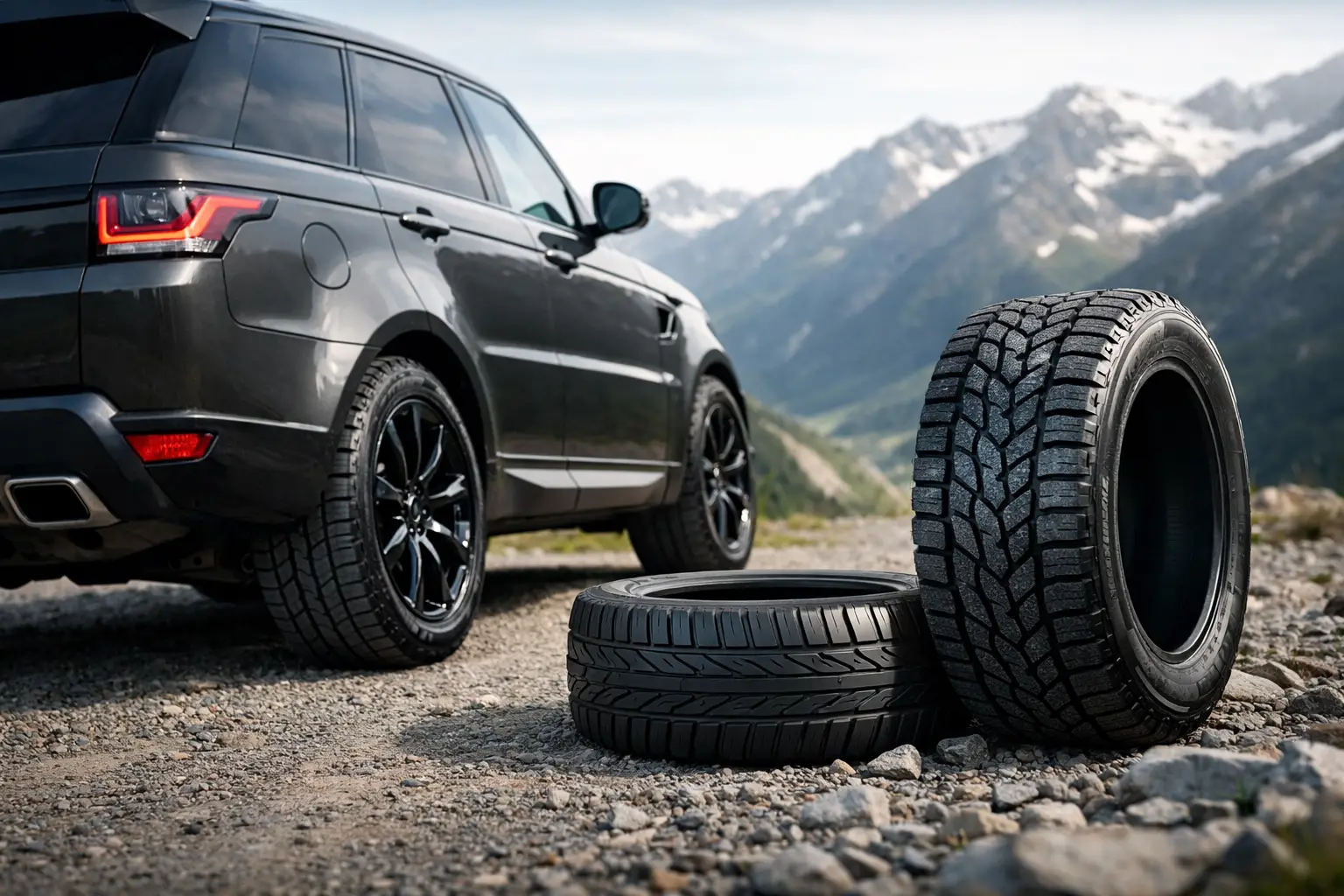
A Range Rover Sport can feel remarkably composed for a large, powerful SUV, but only when its tyres are right. Choosing tyres for Range Rover Sport is not simply a matter of finding the same diameter and ordering the cheapest option. Tyre size, load rating, speed rating, tread pattern and the way the vehicle is used all affect ride comfort, braking, steering response and all-weather confidence.
The right choice should support what the Range Rover Sport does best: covering long distances in comfort, carrying weight with confidence and still feeling controlled on a country road. Whether you run standard wheels or a larger alloy wheel upgrade, correct fitment comes first.
Choosing tyres for Range Rover Sport
Range Rover Sport tyre specifications vary by generation, engine and wheel size. Depending on the model, factory wheel diameters commonly range from 19 to 23 inches, with wider low-profile tyres fitted to many higher-specification versions. A tyre that physically fits the wheel is not automatically suitable for the vehicle.
Start with the tyre size shown on the existing sidewall and check it against the vehicle’s tyre information label, normally found around the driver’s door opening. A size such as 255/55 R20 gives three key measurements: the tyre width in millimetres, the sidewall height as a percentage of that width, and the wheel diameter in inches. The final load and speed ratings are equally important.
If the vehicle is fitted with non-standard wheels, do not rely on the original tyre label alone. Wheel width, offset, brake clearance and overall rolling diameter need to be considered together. This is particularly relevant with 21, 22 and 23-inch alloy wheels, where a small mismatch can affect clearance, steering feel or speedometer accuracy.
Load rating is not a detail to overlook
The Range Rover Sport is a heavy vehicle, and its tyres must be rated to carry it safely when passengers, luggage and towing weight are added. Always fit tyres with at least the manufacturer’s specified load index. Do not replace a correctly rated SUV tyre with a lower-load alternative simply because it is cheaper or more readily available.
Many suitable options carry XL, or Extra Load, markings. This does not mean the tyre is automatically harsher or better in every situation, but it indicates a construction designed to carry a higher load at the specified pressure. For a premium SUV, that added capacity is often appropriate.
Speed rating should also meet or exceed the vehicle requirement. Even if your normal driving is local or motorway-based, the speed rating is part of the tyre’s approved operating specification, not a performance badge to ignore.
Match the tread to how you actually drive
There is no single best tyre for every Range Rover Sport. The most suitable pattern depends on whether the vehicle spends its life on motorways, covers mixed Dorset roads, tows regularly, or sees genuine muddy tracks and wet grass.
A road-focused premium SUV tyre is usually the best answer for everyday use. These tyres prioritise wet braking, stability, lower road noise and predictable handling. They suit drivers who want the vehicle to retain its refined character on longer journeys and through changing British weather.
All-season tyres can be a sensible option for lower-mileage vehicles or drivers who want year-round flexibility without swapping between summer and winter sets. They are designed to work across a broader temperature range and can offer useful grip in cold, wet or lightly snowy conditions. The trade-off is that a dedicated summer tyre may feel sharper in warm weather, while a specialist winter tyre remains the stronger choice for regular severe winter use.
All-terrain tyres make more sense if your Range Rover Sport genuinely goes beyond tarmac. Their more open tread can improve traction on loose surfaces, mud and grass, but it can also create more road noise, reduce fuel economy and soften on-road steering response. They are capable tyres when used for the right job, not an automatic upgrade for every SUV.
Why fitting matching tyres matters on a Range Rover Sport
Four-wheel-drive vehicles deserve particular care when tyres are replaced. Differences in rolling circumference between tyres can place unnecessary strain on drivetrain components, especially where one tyre is significantly more worn or a different make and model has been fitted on the same axle.
Ideally, fit the same tyre model and size across all four corners. If only two tyres need replacing, fit a matching pair on the same axle and make sure the remaining pair has adequate, even tread depth. The vehicle manufacturer’s recommendations should guide whether new tyres are fitted to the front or rear axle, but in many cases fitting the newer pair to the rear helps maintain stability in wet conditions.
Avoid mixing tyres with noticeably different tread patterns, load ratings or construction types unless there is a clear manufacturer-approved reason. A Range Rover Sport has sophisticated traction, stability and suspension systems, but those systems work best when all four tyres give consistent information and grip.
Check the condition of the wheels as well
A slow loss of pressure is not always caused by a puncture. Corrosion around the bead seat, kerb damage, cracked alloy wheels or a failing valve can all prevent a tyre from sealing correctly. Larger diameter wheels are more exposed to pothole and kerb damage, particularly when fitted with low-profile tyres.
When replacing tyres, it is worth having the wheels inspected for dents, cracks and corrosion. Wheel refurbishment can restore the sealing surface and appearance of a damaged alloy, while a proper balance check can resolve vibration felt through the steering wheel at speed. Replacing a tyre without addressing a wheel issue often means the same problem returns.
Do not choose on price alone
Tyres are one of the biggest factors in how a Range Rover Sport stops and handles, particularly in the wet. Premium brands often invest heavily in wet braking, carcass construction, road noise control and consistent performance as the tyre wears. That can be a worthwhile investment on a vehicle with this level of weight and performance.
That said, the most expensive tyre is not always the right answer. A quality mid-range tyre from a reputable manufacturer can be a sensible choice for a vehicle doing moderate annual mileage, while part-worn tyres can suit a tightly controlled budget if they are inspected carefully and match the required specification. With part-worn tyres, tread depth alone is not enough. Check for repairs, uneven wear, age-related cracking, sidewall damage and a sound casing.
The key is to compare like for like. A cheaper tyre with a lower load rating, poor wet-grip performance or an unsuitable profile is not a saving if it compromises safety, comfort or tyre life.
Tyre pressures, alignment and wear patterns
Correct pressures are essential on a heavy SUV. Under-inflation can cause shoulder wear, heat build-up and poorer fuel consumption. Over-inflation may reduce the contact patch and make the ride firmer. Check pressures when the tyres are cold, using the vehicle’s stated settings for the expected load, and do not forget the spare if one is fitted.
Uneven wear tells a useful story. Wear on one edge can point to alignment issues, while cupping or scalloping may indicate worn suspension components, incorrect balancing or repeated operation at the wrong pressure. A Range Rover Sport’s suspension geometry is precise, so a proper alignment check is worthwhile after a pothole impact, wheel refurbishment or replacement of steering and suspension parts.
Do not wait until the legal minimum tread depth of 1.6mm across the central three-quarters of the tyre. Wet-weather performance falls as tread channels become shallower. Many drivers choose replacement closer to 3mm, especially before autumn and winter, to retain stronger water clearance and wet grip.
Getting the fitment right first time
Before ordering, confirm the full sidewall specification, current wheel diameter and whether your wheels are original or aftermarket. Also consider your mileage, normal road conditions, towing needs and whether ride comfort matters more than a sharper, sportier response. These details narrow the choice quickly and prevent costly mistakes.
For owners near Wimborne, a fitting appointment also provides the opportunity to inspect the wheels, fit valves where required, balance the assembly and check for visible suspension or alignment concerns. The Tyre Barn’s workshop experience is particularly useful when a Range Rover Sport has aftermarket wheels, mixed tyre history or an issue that is more involved than a straightforward replacement.
A properly specified tyre will make every journey feel more settled, from the school run to a fully loaded motorway trip. If you are unsure between two suitable options, choose the one that best matches how the vehicle is used most of the time, then have the fitment checked by a specialist before the wheels are tightened for the road.