
Alloy Versus Steel Wheels: Which Fits Your Car?

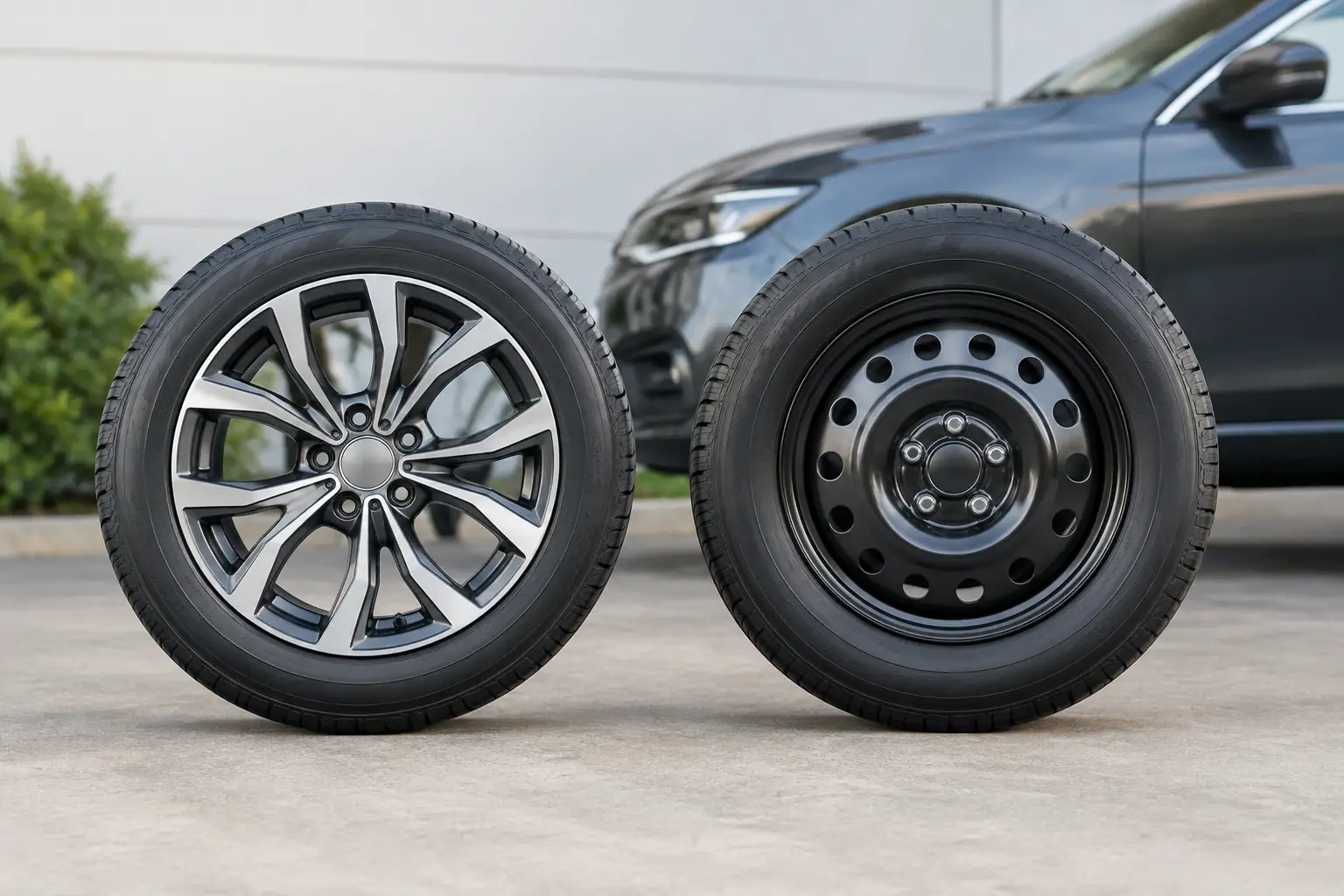
A kerbed wheel, a damaged rim or a set of tired-looking steelies can make choosing replacements feel simpler than it is. The alloy versus steel question is not just about appearance. Wheel material affects unsprung weight, brake clearance, repair options, tyre choice and what you will spend over the long term.
For most UK drivers, alloy wheels are the natural choice for everyday cars because they offer more designs, lower weight and broader vehicle-specific fitment options. Steel wheels still make excellent sense for winter sets, working vehicles and anyone who prioritises low upfront cost over looks. The right answer depends on the car, the roads it covers and whether the wheels need to do a practical job or make a visual statement.
What is the difference between alloy and steel wheels?
First, a useful bit of terminology. Steel is technically an alloy of iron and carbon. In the motor trade, however, “alloy wheels” almost always means wheels made from an aluminium alloy, while “steel wheels” means pressed steel rims. That is the distinction drivers are making when they compare the two.
A steel wheel is generally formed from stamped sections welded together, then painted or powder-coated. It is straightforward, functional and usually covered by a plastic wheel trim on standard-spec cars.
An aluminium alloy wheel is normally cast, with some premium wheels forged or flow-formed to reduce weight further. This manufacturing flexibility allows for the spokes, concave faces, polished lips and larger diameters seen on modern Audi, BMW, Mercedes, Porsche and Range Rover fitments. It also means alloys vary widely in quality, load rating and strength. A cheap cast wheel and a high-quality OEM or approved aftermarket wheel should not be treated as equivalent simply because both are aluminium alloy.
Alloy versus steel: weight and driving feel
The biggest technical difference is usually weight. Alloy wheels are commonly lighter than equivalent steel wheels, particularly when comparing larger diameters. Less weight at each corner reduces unsprung mass – the mass not supported by the suspension springs.
In practical terms, a lighter wheel can help the suspension react more quickly to uneven roads. Steering may feel sharper and the car can feel less reluctant to change direction. The difference will not transform every family hatchback, but it is noticeable on performance cars and on vehicles moving from heavy steel wheels to correctly specified alloys.
Weight is not the only consideration. A larger alloy wheel can still be heavier than a smaller steel wheel, especially when fitted with a wide, low-profile tyre. Bigger wheels can improve the look and may give room for larger brakes, but they can also make pothole impacts harsher and increase tyre replacement costs. Choosing the right wheel size for the vehicle matters more than chasing the lightest-looking option.
Appearance, choice and brake clearance
Alloys win easily on choice. They are available in factory-style designs, motorsport looks, multi-spoke patterns and finishes from silver to gloss black, diamond-cut and satin grey. For owners upgrading a car or replacing one damaged wheel, matching the correct design, width and offset keeps the vehicle looking right without compromising fitment.
They can also provide better brake clearance. Many modern cars have larger calipers and discs that simply will not fit behind smaller steel wheels. This is particularly relevant on higher-spec models, performance versions and vehicles with upgraded brakes.
Steel wheels are less about style, although black steels can suit certain 4×4, van and classic applications. With a good set of trims, they are perfectly presentable for daily use. Their appeal is mainly practical: they are easy to replace, less worrying to use in poor weather and do not attract the same attention as a smart set of alloys.
Cost: purchase price is only part of it
Steel wheels are normally cheaper to buy. If you need a second set for winter tyres or want to keep an older car safely on the road without spending heavily, steel is often the sensible route. They are widely available in common sizes and can be an economical option for vans and commercial vehicles too.
Alloys cost more, but that cost needs context. A well-chosen set can improve the vehicle’s appearance and may be easier to sell on than basic steel wheels. Genuine used wheels can also offer good value where the size, centre bore, PCD and offset are confirmed correctly.
Damage changes the calculation. A bent steel rim can sometimes be straightened, but corrosion around the bead seat may eventually cause slow tyre pressure loss. Alloy wheels are vulnerable to kerbing, cracking and corrosion, particularly diamond-cut finishes where damaged lacquer lets moisture underneath. Cosmetic kerb damage is often repairable, while structural cracks or severe distortion require a proper assessment rather than a quick cosmetic fix.
Are alloy wheels less durable?
Not necessarily. The better question is: durable against what?
Steel wheels tend to tolerate cosmetic knocks well. They may dent rather than crack, and a scratched finish is less upsetting on a working vehicle. They are a sensible choice for drivers regularly using rough access roads, muddy sites or winter routes treated with road salt.
Alloy wheels can handle everyday use for many years, but they need more care around kerbs and potholes. A hard impact can crack an alloy or buckle the inner rim, especially on a large wheel with a low-profile tyre. The tyre has less sidewall to absorb the shock, so the wheel takes more of it.
Corrosion matters with both materials. Steel can rust, while aluminium alloy can corrode beneath paint, lacquer or around the valve and bead seat. Regular washing through winter and prompt attention to chips help extend the life of either type. If a wheel is losing pressure, do not assume the tyre is at fault – the rim, valve and bead seal all need checking.
Winter use: why steel wheels remain popular
A separate steel wheel and winter tyre set-up remains a practical option in the UK, particularly for drivers who travel early, cover rural routes or need dependable mobility in colder months. It protects a cherished set of alloys from salt, grit and kerb damage, while making seasonal tyre changes quicker.
That said, steel is not compulsory for winter. Quality alloy wheels with the correct load rating can be used year-round, and many modern vehicles cannot take smaller steel wheels because of brake clearance. If you are buying a winter set, check the wheel diameter, brake clearance, tyre size, TPMS sensor compatibility and legal load rating before committing.
Fitment matters more than material
The wrong alloy wheel can cause more problems than a correctly specified steel wheel, and vice versa. Every replacement wheel needs to suit the vehicle’s PCD, centre bore, width, diameter, offset and load rating. The correct bolts or nuts are equally important, as seat type and thread specification can differ between wheels.
Tyre size must also be appropriate for the rim width and maintain a suitable overall rolling radius. A poor match can affect speedometer accuracy, steering clearance, suspension clearance and insurance compliance. For premium vehicles, it is also worth considering whether the wheel is designed to clear the factory brake package.
This is where fitting advice has real value. At The Tyre Barn, the practical approach is to establish the vehicle details and intended use first, then match wheels and tyres that fit properly rather than relying on appearance alone. A wheel may look right in a photograph yet sit too far out, catch an arch liner or fail to clear a caliper once fitted.
Which should you choose?
Choose steel wheels if your priority is low cost, winter use, commercial work or a simple second set of wheels. They are functional, readily available and well suited to drivers who would rather not worry about every kerb or muddy lay-by.
Choose alloy wheels if you want lower weight, more design choice, potential brake clearance benefits and a finish that complements the car. They are especially worthwhile when replacing factory alloys, upgrading the stance carefully or choosing a dedicated road or race set-up.
Before buying, check the full fitment specification and inspect the tyres as closely as the wheels. The best-looking wheel is of little use if it does not fit safely, hold pressure properly or suit the way you actually drive.