
Mercedes Alloy Wheels Dorset: Fitment That Matters

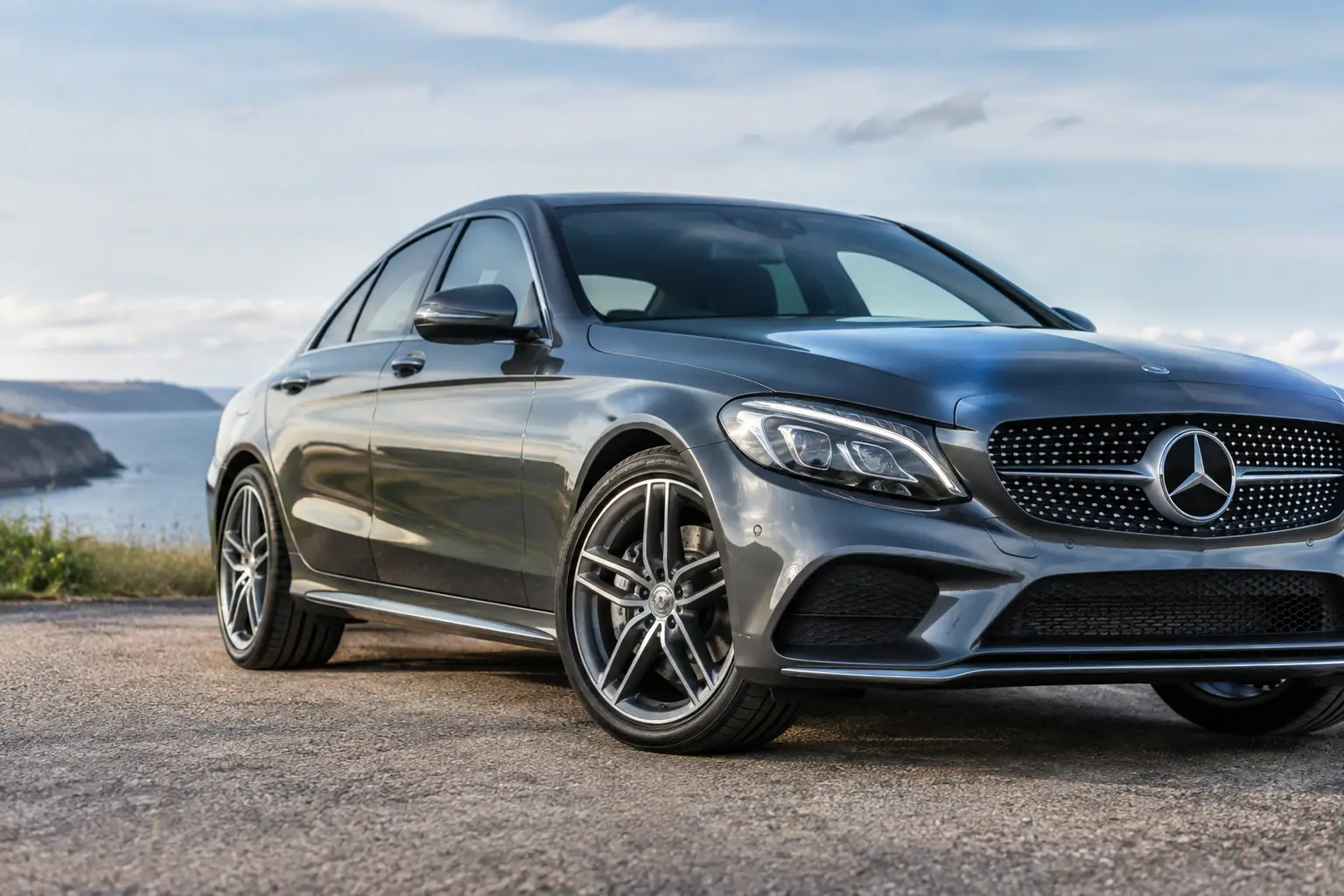
A Mercedes can look noticeably sharper with the right wheel design, but buying Mercedes alloy wheels Dorset drivers can rely on is about far more than appearance. The correct wheel has to suit the model, clear the brakes, sit properly under the arches and work with tyres that are suitable for the vehicle. Get those details right and the result feels as good on the road as it looks on the driveway.
For owners in Dorset, a local wheel specialist also removes a common problem with buying alloys online: uncertainty. A photograph cannot confirm whether a wheel will clear your calipers, whether its offset is appropriate, or whether your existing tyres can safely be transferred. Proper fitment advice and workshop fitting make the upgrade simpler and safer.
Mercedes alloy wheels Dorset owners should choose by fitment first
Mercedes has produced a huge range of cars, SUVs, estates, coupes and performance models. Even vehicles that look similar can have very different wheel requirements. A wheel suited to a C-Class may not be correct for an E-Class, while an AMG model may need additional brake clearance and a carefully chosen tyre specification.
The main starting points are PCD, centre bore, wheel width, diameter and offset, often shown as ET. These figures determine how the wheel mounts to the hub and where it sits in relation to the suspension, brakes and wheel arch. They are not specifications to guess at.
Most modern Mercedes passenger vehicles use a 5×112 PCD, but that is only one part of the calculation. The centre bore must match or be correctly adapted, and the wheel bolts must be suitable for the wheel design. Bolt seat type matters too. Using the wrong bolts, even when the thread size is correct, can prevent the wheel from seating as intended.
Offset is where many aftermarket choices go wrong. A lower ET number usually moves the wheel further outward, which can create a more purposeful stance but may also cause rubbing on the arch liner or bodywork. A higher offset brings the wheel further inboard, where it can foul suspension components or brake hardware. There is no universal “best” offset – it depends on the exact Mercedes model, wheel width, tyre size and ride height.
Size affects more than the look
Moving from a 17-inch wheel to an 18- or 19-inch option can transform the appearance of a Mercedes. It can also sharpen steering response, particularly with a lower-profile tyre. The trade-off is a firmer ride, greater exposure to pothole damage and, in many cases, higher tyre replacement costs.
For everyday driving on Dorset roads, the right choice depends on how the vehicle is used. A larger wheel and tyre package may suit an enthusiast-owned saloon used mainly for dry-weather driving and longer journeys. A slightly smaller diameter with more tyre sidewall can be the sensible option for a daily-driven SUV or estate that regularly meets uneven rural lanes, poor surfaces and kerbs.
It is also worth checking the rolling radius when changing wheel diameter. The overall diameter of the new wheel and tyre combination should remain close to the original specification. A substantial difference can affect speedometer accuracy, gearing, handling and the operation of vehicle systems such as ABS, traction control and tyre pressure monitoring.
Staggered and square wheel setups
Some Mercedes models, especially AMG variants and certain coupes, run staggered wheels. This means wider rear wheels and tyres than the front. The arrangement can support traction and preserve the intended handling balance, but it normally prevents front-to-rear tyre rotation.
A square setup uses the same wheel and tyre size at each corner. It can make tyre rotation easier and may offer a broader choice of replacement tyres. However, it is not automatically suitable for every car. On a vehicle designed around staggered fitment, changing the arrangement should be considered carefully with the wheel width, offsets and tyre sizes checked as a complete package.
New, used or refurbished Mercedes wheels?
The right route often comes down to budget, condition and what you want from the vehicle. New aftermarket alloys give you the widest choice of styles, finishes and sizes. They are a strong choice when you are changing the look of the car or replacing a full damaged set.
Genuine used Mercedes wheels can be particularly attractive if you want to retain the factory look. They may be ideal for replacing a single damaged wheel, fitting a winter set or returning a vehicle to its original specification before sale. The key is condition. A wheel should be inspected for cracks, buckles, weld repairs, corrosion around the bead seat and damage to the mounting face.
Refurbishment can make excellent sense where the wheels are structurally sound but tired cosmetically. Kerb marks, peeling lacquer and surface corrosion can spoil an otherwise smart Mercedes, particularly on diamond-cut finishes. Refurbishing can restore the appearance and extend the useful life of original wheels, often at a lower cost than buying a replacement set.
Not every damaged wheel should be refurbished. A crack, severe buckle or repeated repair history needs an honest assessment before money is spent on cosmetics. Safety and correct running always come before finish.
Tyres are part of the wheel decision
Alloy wheels and tyres should be chosen together, not as separate purchases. The tyre must be the correct width and profile for the wheel, with a load rating and speed rating that meet the vehicle’s requirements. Premium Mercedes vehicles are often heavy, powerful and fitted with advanced driver-assistance systems, so unsuitable tyres can compromise the very qualities the car was designed to deliver.
Run-flat tyres are another consideration. Some Mercedes models leave the factory on run-flats and may have no spare wheel. They offer the ability to continue for a limited distance after a loss of pressure, but can ride more firmly and tend to cost more than conventional alternatives. A switch to standard tyres may be possible in some circumstances, but should be considered alongside puncture provision, tyre pressure monitoring and the manufacturer’s recommendations.
If you are transferring tyres from existing wheels, check their age, wear pattern and condition first. A tyre with uneven shoulder wear may indicate an alignment issue. Fitting it to a fresh set of alloys without correcting the underlying cause simply brings the problem with you.
What professional fitting should include
A wheel is only as good as the fitting work behind it. The mounting faces need to be clean, wheels must be fitted using the correct bolts and torque setting, and every tyre should be balanced accurately. Tyre pressures should then be set for the load and wheel size, while the TPMS system may need to be checked or reset.
A sensible fitting appointment should also include a visual check for clearance. This is especially valuable when fitting wider wheels, changing offset or lowering a vehicle. The wheel may look fine while parked but contact the arch liner under steering lock or suspension compression.
Before committing to a set, have these details ready:
- Your Mercedes model, registration year and engine variant
- Current wheel and tyre sizes, including any staggered arrangement
- Whether the car has AMG brakes, lowered suspension or spacers
- The intended use, from daily commuting to performance driving
This information allows a specialist to narrow down suitable options quickly, rather than relying on a generic fitment guide.
A better way to buy wheels locally
The advantage of choosing a Dorset supplier with stock and fitting capability is that the advice, products and installation are handled together. At The Tyre Barn, customers can discuss new, used or refurbished wheel options, select tyres to match and have the completed package fitted at the Wimborne workshop. That is particularly useful with Mercedes fitments, where the detail behind the wheel matters as much as the finish on its face.
Whether you want to preserve an original factory appearance, replace a damaged alloy or give your Mercedes a more individual stance, start with the vehicle specification rather than the photograph. The best wheel choice is the one that suits your car, your driving and the roads you use every week.