
Part Worn Used Tyres: Worth Buying?

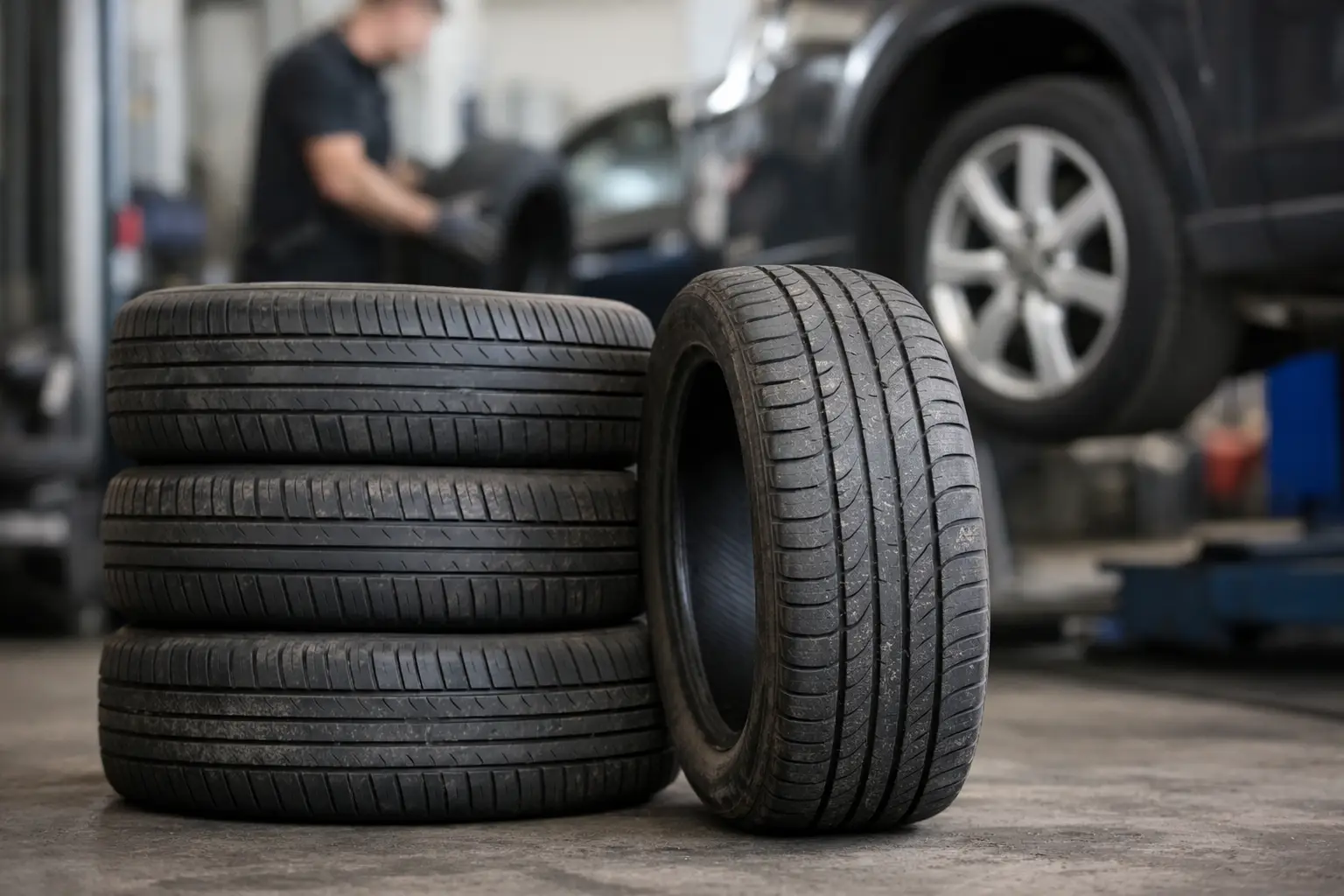
A cheap tyre can feel like an easy win until it starts wearing unevenly, makes the car feel vague in the wet, or turns out to be the wrong fitment altogether. That is why part worn used tyres deserve a bit more scrutiny than the price tag alone. For some drivers, they are a sensible short-term saving. For others, they are a false economy.
When part worn used tyres can make sense
There is a reason drivers look at part-worns in the first place. If you have picked up a puncture on a single tyre, need to get a second car through a short period of use, or want a matching premium tyre without paying new-tyre money, a quality part-worn can be a practical option.
That is especially true when the alternative is fitting one budget new tyre alongside three premium tyres already on the car. In some cases, a correctly matched part-worn from the same brand and similar tread pattern can be the better fitment choice. It can keep the handling more consistent and avoid the mix-and-match feel that often comes from pairing very different tyres on the same axle.
Price matters, but so does context. A part-worn tyre bought carefully, checked properly and fitted correctly can offer decent value. A poor one, even at a bargain price, usually costs more in the long run.
The real issue is condition, not just cost
Used tyres are not all equal. Two tyres may have the same stated tread depth and completely different levels of quality. One may have come off a lightly used vehicle with even wear and no repairs. The other may have spent years underinflated, run on poor alignment, or suffered sidewall stress that is not obvious at first glance.
That is the part many buyers miss. Tread depth is only one part of the picture. You also need to consider age, shoulder wear, internal damage, previous puncture repairs, sidewall condition and whether the tyre is actually suitable for the vehicle it is being fitted to.
A tyre with plenty of tread left can still be the wrong buy if the casing is tired or the wear pattern tells a story of suspension or alignment problems from its previous vehicle.
What to check before buying part worn used tyres
If you are considering part-worns, inspection matters. Start with the basics. Check the size, load rating and speed rating against the vehicle requirement. This is not the place to guess, especially on heavier vehicles, premium saloons, SUVs and vans where the correct specification has a direct effect on safety, handling and wear.
Then look at tread depth across the full width of the tyre, not just the centre. A tyre can look healthy at a glance but be worn on one shoulder, which often points to previous alignment issues. Uneven wear usually means you are buying less usable life than you think.
Sidewalls need close attention too. Any cuts, bulges, cracking or signs of impact damage should rule that tyre out immediately. The same goes for exposed cords, poor-quality repairs or anything that suggests the tyre has been run flat.
Tyre age also matters. Even if the tread looks respectable, an older tyre can be harder, less compliant and less confidence-inspiring in wet or cold conditions. For everyday road use, that matters more than many people realise.
Fitment matters more than many drivers think
A part-worn that is technically the right size can still be the wrong tyre for the job. Some vehicles are very sensitive to tyre construction, particularly performance models and heavier premium cars. Sidewall stiffness, manufacturer approval markings and matching axle pairs can all make a difference.
If you drive something from Audi, BMW, Mercedes, Porsche or Land Rover, it is worth being more careful here. These vehicles often respond badly to random tyre choices, even when the basic numbers on the sidewall look correct. Fitment accuracy is part of the value, not an optional extra.
Where buyers get caught out
The biggest problem with part-worns is not that they exist. It is that too many are sold with very little technical guidance behind them. Buyers see tread, see a low price, and assume they are getting a straightforward deal.
Common mistakes include buying tyres with mismatched brands across an axle, fitting the wrong load index, accepting old stock with plenty of tread but limited real-world performance, or choosing a tyre that has already done the hard part of its working life. None of those issues are obvious if you are only shopping on price.
There is also the question of balance and fitting. A part-worn tyre that has not been inspected properly, mounted correctly and balanced accurately can create vibration, poor steering feel and accelerated wear. That can send people chasing suspension faults when the tyre is the real issue.
Part worn used tyres versus budget new tyres
This is where the decision gets more nuanced. A good part-worn premium tyre can sometimes be a better choice than a very cheap new tyre, especially if you want better ride quality, lower noise and more predictable wet-weather behaviour. Premium casings and tread design still count for something, even when the tyre is used.
But that only holds true if the part-worn is genuinely in good condition and has enough life left to justify the spend. A budget new tyre comes with full tread depth and no previous history. A used premium tyre comes with unknown past use unless it has been sourced and checked properly.
So which is better? It depends on the tyre itself, the vehicle, how you drive, and whether you are solving a short-term problem or making a longer-term choice. For low annual mileage or a temporary replacement, part-worns can work well. For drivers covering big mileage, motorway use or regular wet-weather driving, a new tyre often makes more sense.
Why professional inspection matters
This is one of those areas where specialist advice genuinely saves money. A proper tyre supplier or fitting centre can tell you whether a part-worn is worth buying, whether it matches what is already on the car, and whether there is a better option available for only a little more.
That matters because the cheapest route is not always the lowest bill over six months. If a tyre wears badly, compromises handling or needs replacing again too soon, the saving disappears quickly.
Professional inspection also helps avoid buying a tyre that looks serviceable off the car but tells a different story once mounted. That is particularly relevant if you are trying to match a pair, replace a single premium tyre, or source an unusual size. Stock depth helps, but expertise is what turns stock into the right fitment.
When to avoid part-worns altogether
There are times when a used tyre is simply not the right answer. If you need a pair for the driven axle on a powerful car, if you regularly carry heavy loads, or if you depend on the vehicle daily for long-distance use, the margin for compromise gets smaller.
The same applies if your current tyres are already mismatched or close to the legal limit. In that situation, fitting another odd used tyre can make the whole setup worse. Starting again with the right new tyres may be the cleaner and cheaper fix overall.
You should also be cautious if the tyre size is specialist, low-profile, extra load, run-flat or manufacturer-specific. Those areas leave less room for guesswork and more room for expensive mistakes.
The sensible way to buy part worn used tyres
If you are going down the part-worn route, treat it like a fitment decision rather than a bargain hunt. Ask what brand it is, what tread depth remains across the whole tyre, how old it is, whether it has had repairs, and whether it is the right specification for your vehicle. If the seller cannot answer clearly, walk away.
It also helps to compare the part-worn price with the cost of a new tyre in the same size. Sometimes the gap is worthwhile. Sometimes it is narrow enough that buying new is the smarter move. The right answer is not always the cheapest one on the day.
At a specialist workshop, you should expect honest advice on that balance. If a part-worn is a good option, it should be because it suits the vehicle, the budget and the condition standard required – not because it happens to be what is lying around.
For drivers in Dorset who want that choice checked properly, having access to stock and fitting in one place makes the process easier. You can compare the options on merit, not guesswork.
A part-worn tyre can be a sensible buy, but only when the tyre itself earns that verdict. If it is the right fitment, in sound condition and priced fairly against a new alternative, it can do a useful job. If not, saving a few pounds at the start often becomes the most expensive part of the decision.