
Alloy Wheels vs Steel: Which Should You Buy?

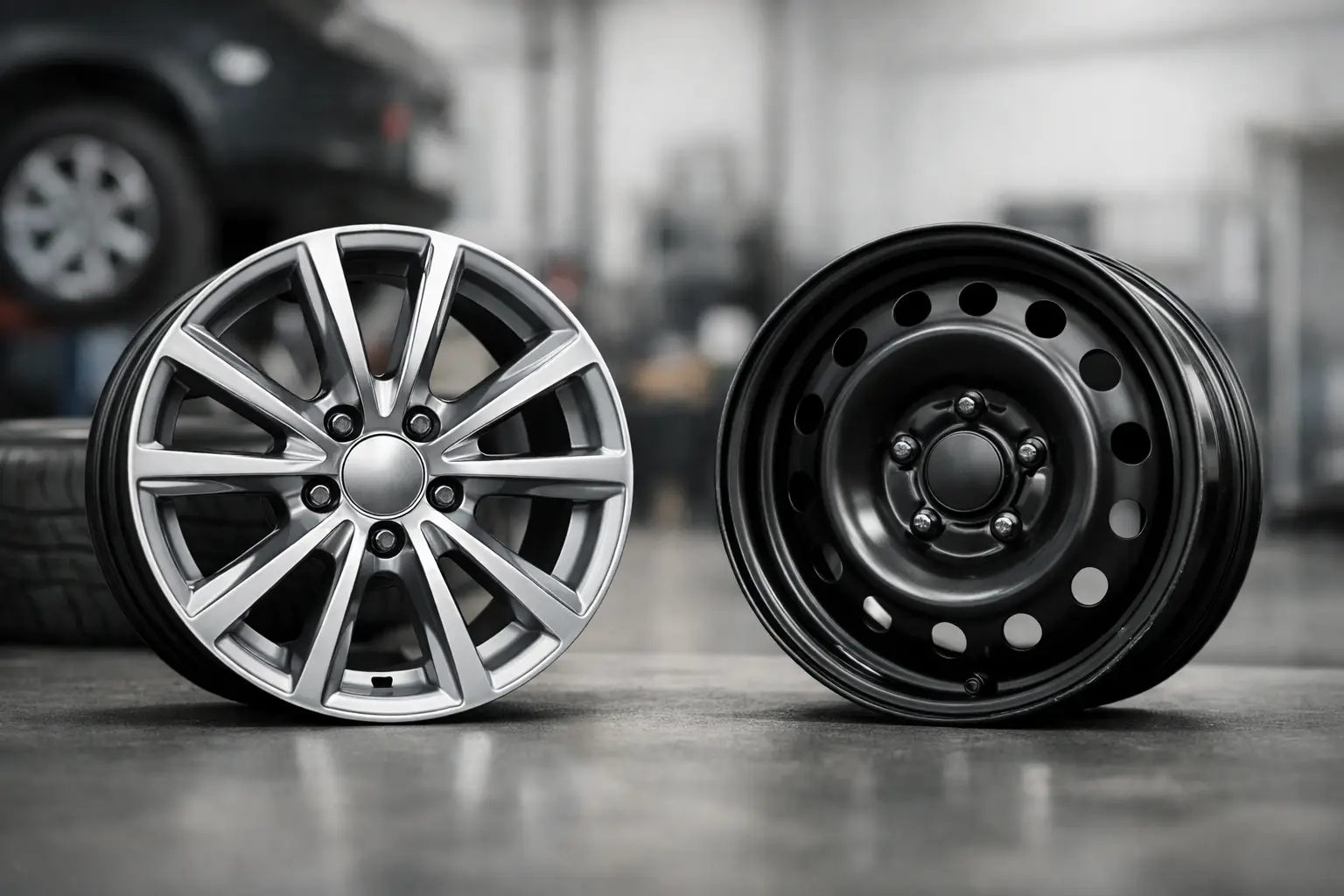
You usually notice the difference between alloy wheels vs steel the first time you price a replacement set, kerb one, or ask what makes more sense for winter use. On paper it can look simple – alloys for looks, steel for value – but in practice the right choice depends on the vehicle, the tyre size, how you drive, and whether you care more about appearance, durability or outright cost.
For some drivers, steel wheels are the sensible answer and there is no point pretending otherwise. For others, especially anyone running a premium car, a larger fitment, or a vehicle where weight and brake clearance matter, alloys are the better long-term option. The key is matching the wheel to the job rather than buying on assumption.
Alloy wheels vs steel: the real difference
The main difference is in the material and the way the wheel is made. Steel wheels are usually pressed from steel and welded together. Alloy wheels are commonly cast or forged from an aluminium-based alloy. That change in material affects weight, styling, corrosion behaviour, repair options, and price.
Steel wheels are generally heavier, simpler in design and cheaper to replace. Alloy wheels are usually lighter, available in far more designs and finishes, and often fitted as standard on modern cars because they improve both appearance and, in many cases, handling.
That does not mean alloy is always better. A van doing hard daily mileage, a winter set-up, or a small hatchback where budget matters most may be better served by steel wheels. Equally, if you own an Audi, BMW, Mercedes or Porsche, steel wheels are often not even a practical option in the correct fitment or brake clearance.
Weight, handling and ride quality
Weight is one of the biggest reasons drivers move from steel to alloy. A lighter wheel reduces unsprung mass, which helps the suspension react more effectively to the road. In plain English, the car can feel sharper, more controlled and a bit less clumsy over uneven surfaces.
You are unlikely to transform a family car into a track car simply by changing wheels, but the difference can still be noticeable. Steering response often feels cleaner on a well-chosen alloy set, especially if you are replacing a heavy steel wheel with a lighter alloy in the same size. That matters more on performance cars, larger wheel diameters and vehicles with more precise chassis set-ups.
Steel wheels can have an advantage on poor roads simply because many drivers pair them with smaller tyre sizes and a taller sidewall. In that case, the extra comfort is often coming from the tyre rather than the steel wheel itself. It is worth separating the wheel material from the full wheel-and-tyre package.
Strength and damage resistance
This is where the conversation gets more nuanced. Steel wheels have a reputation for being tougher, and in certain situations that is fair. If a steel wheel takes a hard knock, it is more likely to bend than crack. That can make it a practical choice for pothole-heavy roads, work vehicles and winter driving where cosmetic condition is not the priority.
Alloy wheels are strong, but they behave differently under impact. A decent quality alloy can cope perfectly well with normal road use, but a severe hit may crack or fracture rather than simply deform. The lower profile tyres often fitted with alloys can also leave less cushioning against pothole strikes.
That said, not all alloys are fragile and not all steel wheels are indestructible. Wheel quality matters. A well-made alloy from a reputable manufacturer is a different proposition from a cheap, poorly finished wheel. Likewise, a heavily corroded old steel wheel can cause as many problems as a damaged alloy.
Cost: upfront and over time
If purchase price is the deciding factor, steel wheels usually win. They are typically cheaper to buy and cheaper to replace. For motorists who need a practical spare set, perhaps for winter tyres or a second vehicle, that lower entry cost is hard to ignore.
Alloys cost more, but they also tend to hold more appeal when it comes to resale and overall vehicle presentation. A car on a smart, correctly fitted alloy set generally looks better kept than the same car on basic steels with plastic trims. For many owners, that matters.
There is also the repair angle. Kerbed or tired alloy wheels can often be refurbished, which means you may not need to replace them outright when the finish deteriorates. A decent refurbishment can restore appearance and extend service life. With steel wheels, cosmetic improvement is usually less of a priority, and once corrosion takes hold around the bead seat or mounting points, replacement may be the more sensible route.
Looks do matter
There is no getting around it – alloys look better on most vehicles. They offer more spoke designs, finishes and sizes, and they suit modern styling far more naturally than plain steel wheels. On enthusiast cars and premium marques, alloys are part of the overall look of the vehicle, not just a functional part bolted underneath it.
Steel wheels are more basic by design. On some vehicles that is fine. On others, especially larger saloons, SUVs and performance models, they can look out of place. Wheel trims help, but they rarely match the finish or visual impact of a proper alloy wheel.
If you care about how the car presents itself day to day, alloy wheels usually make more sense. If you care more about function than appearance, steel may still be the smart buy.
Winter driving and everyday practicality
One of the most common reasons people compare alloy wheels vs steel is winter use. Steel wheels are popular for winter sets because they are affordable, practical and less painful to expose to salt, grime and rough conditions. If they pick up cosmetic wear, most owners are less bothered.
Alloys can still work perfectly well in winter, but they need proper care. Salt and brake dust left sitting on damaged lacquer or chipped paint can lead to corrosion, particularly on older wheels. If you are using alloys through winter, regular cleaning helps and existing damage should not be ignored.
For daily drivers, the right answer depends on how you use the vehicle. A commuter car needing a cost-effective second set for cold weather may be ideal on steels. A car with larger brakes, tighter fitment requirements or a style-conscious owner may still be better on a winter-rated alloy set.
Fitment is often the deciding factor
This is where many generic comparisons fall short. It is not just about alloy or steel – it is about whether the wheel is actually correct for your vehicle. PCD, centre bore, offset, width, load rating and brake clearance all matter. Get any of them wrong and the wheel may not fit properly or safely.
This is especially relevant on newer German vehicles, SUVs and performance cars. Many require wheel designs that clear larger brake callipers, match OE load requirements and sit correctly within the arches. In those cases, alloy wheels are often the realistic option simply because suitable steel wheels are limited or unavailable.
Vans and commercial vehicles add another layer. Load capacity matters far more than style, and not every alloy wheel marketed for a van is suitable for the actual axle loads involved. For working vehicles, the best wheel is the one that is correctly rated and properly fitted.
So which should you choose?
Choose steel wheels if you want the lowest upfront cost, a practical winter set, or a hard-working option for a vehicle where appearance is not a priority. They make sense for plenty of everyday cars, some vans and anyone who would rather spend the money on tyres than wheel design.
Choose alloy wheels if you want lower weight, better styling, broader fitment options and a wheel that suits a modern or premium vehicle. They are often the better choice for enthusiasts, larger wheel sizes and cars where brake clearance and appearance both matter.
The middle ground is where most buyers end up. You might run steels in winter and alloys the rest of the year. You might choose a used alloy set in the correct fitment rather than buying new. You might refurbish the wheels already on the car if the structure is sound and the finish is the main problem.
That is usually the smartest way to approach it. Rather than asking which material is universally best, ask what fits your vehicle properly, what suits the way you drive, and what you are prepared to spend now versus later. If you are unsure, getting advice from a specialist workshop with proper fitment knowledge can save a lot of trial and error. The right wheel should do more than bolt on – it should suit the car, the tyres and the way you use it every week.