
BBS Alloy Wheels and the Importance of Fitment

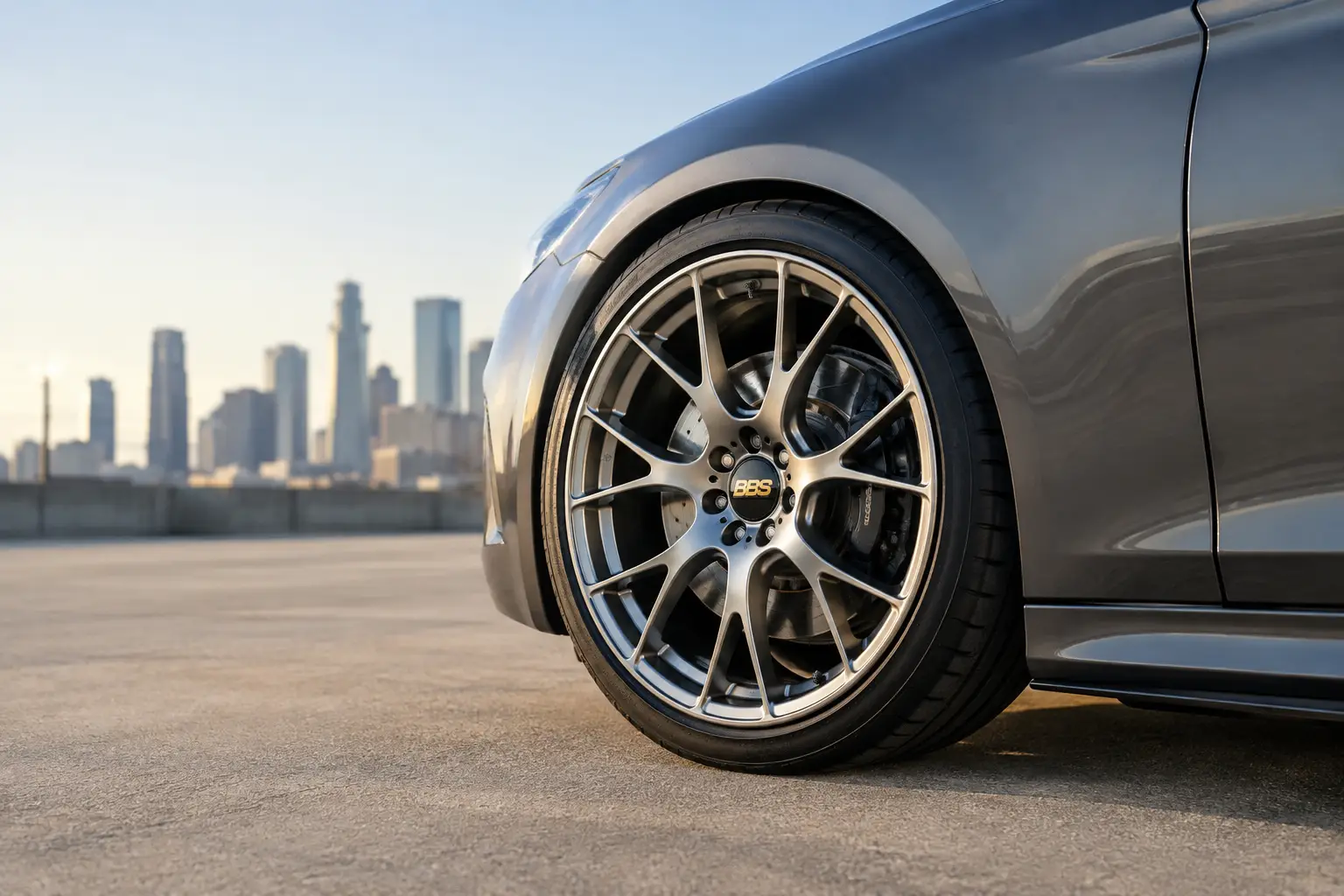
A set of BBS alloy wheels can change how a car looks before the engine has even turned over, but their real value is in the engineering behind the design. The right set can reduce unsprung weight, sharpen steering response and give a vehicle a purposeful finish. The wrong set can rub under load, sit outside the arch, upset handling or simply fail to clear the brakes.
That is why choosing BBS wheels should start with fitment, not just a photograph. Diameter, width, offset, centre bore, bolt pattern and tyre size all need to work together for your specific vehicle.
Why BBS alloy wheels remain a first choice
BBS has a long-standing reputation in road and motorsport wheel design. The brand is recognised for its mesh-style designs, race-inspired construction and attention to detail, but the appeal is more than visual. Many BBS wheels are designed around strength, weight control and brake clearance – three areas that matter whether you drive a daily Audi, a weekend BMW or a track-focused Porsche.
A lighter wheel can help reduce unsprung mass. In simple terms, this is weight not supported by the suspension, including the wheel and tyre assembly. Reducing it can allow the suspension to react more effectively over uneven roads, while also making the steering feel more direct. The difference will vary by vehicle and wheel specification, so it should not be treated as a guaranteed transformation. On a well-set-up car, though, the right wheel and tyre package can be very noticeable.
BBS designs also tend to suit a broad range of premium European vehicles. A classic cross-spoke wheel can complement an older BMW or Mercedes, while a modern multi-spoke design can work equally well on newer Audi, Volkswagen and performance hatchback applications. The key is selecting a wheel that matches the car’s intended use rather than chasing the largest diameter available.
Fitment comes before style
Wheel fitment is not one measurement. It is a group of measurements that must be correct at the same time. Two wheels can both be described as 19-inch yet fit entirely differently.
Diameter and width
Wheel diameter determines the tyre’s inner diameter. Moving from an 18-inch wheel to a 19-inch wheel usually means fitting a lower-profile tyre to keep the overall rolling radius close to standard. Maintaining that radius helps preserve speedometer accuracy, gearing, clearance and the operation of driver-assistance systems.
Width matters just as much. A wider wheel can support a wider tyre and potentially increase the contact patch, but only when there is sufficient space inside the wheel arch and suspension area. A tyre that is stretched too far or squeezed onto an unsuitable rim width is not simply a styling choice – it can compromise ride quality, rim protection and predictable handling.
For everyday UK roads, a sensible diameter with a tyre sidewall that can cope with potholes is often the better decision. A larger wheel may look sharper, but it can add cost, make tyres more vulnerable to damage and produce a firmer ride. There is always a balance between appearance, performance and practicality.
Offset and position in the arch
Offset, commonly shown as ET, describes where the wheel sits in relation to its mounting face. A lower offset pushes the wheel further out towards the arch; a higher offset pulls it further in towards the suspension.
This is one of the most important figures when choosing BBS alloy wheels. A wheel that protrudes too far may contact the arch when the suspension compresses, particularly with passengers or luggage aboard. A wheel that sits too far inward can foul suspension components or brake hardware. Aggressive offsets may look appealing on a static vehicle, but they need checking at full steering lock and through suspension travel.
Spacers can sometimes be used to achieve the required clearance or stance, but they must be correctly specified, hub-centric where appropriate and fitted with suitable bolts or studs. They are not a substitute for understanding the original wheel specification.
PCD, centre bore and wheel fixings
The pitch circle diameter, or PCD, is the bolt pattern that attaches the wheel to the hub. It must match the vehicle. A 5×112 wheel, for example, is not automatically suitable for every car using five bolts, and it is not interchangeable with a 5×120 application.
The centre bore also matters. A correctly hub-centric wheel locates accurately on the vehicle hub, helping prevent vibration and ensuring the wheel is centred before the bolts are tightened. Some applications use spigot rings to adapt a larger wheel centre bore correctly, but this must be done properly.
Wheel bolts or nuts need equal care. Seat type, thread length and torque specification vary between vehicles and wheels. Never assume the fixings from a factory wheel are right for an aftermarket wheel. Incorrect hardware can prevent the wheel seating safely or damage its mounting points.
Construction affects cost, weight and use
Not every BBS wheel uses the same manufacturing process. The construction has a direct effect on price, weight, strength and intended use.
Cast alloy wheels are widely used and can offer an excellent combination of value and design choice. For normal road driving, a quality cast wheel in the correct specification is often a sensible option. Flow-formed wheels use a process that works the barrel after casting, allowing manufacturers to reduce weight while maintaining strength in key areas. They can be a strong choice for drivers who want a performance benefit without stepping into the cost of a forged wheel.
Forged wheels are formed under very high pressure from a solid billet or forged blank. This can produce a very strong wheel at a comparatively low weight, making forged designs popular for high-performance and track applications. They also carry a higher price, so the extra investment makes most sense where weight reduction, brake clearance and demanding use genuinely matter.
There is no single best construction for every driver. A road car covering school runs, commuting and motorway miles has different needs from a car that regularly sees track days. Be honest about the vehicle’s use, the roads it travels and the cost of replacement tyres before choosing a specification.
Choosing tyres to match your BBS wheels
A wheel is only half of the package. Tyres determine much of the grip, comfort, noise level and wet-weather confidence you experience day to day. A premium wheel fitted with an unsuitable tyre will not deliver the result most owners expect.
When changing wheel size, the tyre’s load rating and speed rating must remain suitable for the vehicle. The rolling circumference should stay close to the original specification, and the tyre should be approved for the wheel width. For staggered wheel setups, often seen on rear-wheel-drive BMW, Mercedes and Porsche models, front and rear widths may differ. In those cases, tyre sizes must be chosen as a matched pair rather than selected independently.
It is also worth considering whether you want a square or staggered setup. A square setup uses the same wheel and tyre size at all four corners, which can allow front-to-rear tyre rotation and may suit track users who want predictable balance. A staggered setup can give a more muscular rear appearance and may reflect the manufacturer’s intended handling characteristics, but tyre rotation options are more limited.
For vehicles with tyre-pressure monitoring systems, the sensors may need transferring or replacing when new wheels are fitted. This is a small detail that can become an avoidable warning light if overlooked.
Brake clearance and modified vehicles
Large brake calipers can create a complication that wheel diameter alone does not solve. A 19-inch wheel may clear one brake package but not another because spoke shape, internal barrel design and mounting profile all vary. This is particularly relevant for performance versions of Audi, BMW, Mercedes-AMG, Porsche and Range Rover models, as well as vehicles upgraded with aftermarket brakes.
Modified suspension needs similar care. Lowering springs, coilovers and altered camber settings can reduce clearance around the tyre and arch. A specification that works at standard ride height may rub once the vehicle is lowered. Before ordering, consider the complete setup, including brakes, suspension, spacers and planned tyre size.
At The Tyre Barn, the benefit of using a supplier with workshop experience is that these details can be checked before wheels and tyres are fitted. It is usually quicker and more cost-effective to confirm fitment at the start than to correct an unsuitable setup afterwards.
Looking after a premium wheel finish
BBS wheels are built to be used, but road salt, brake dust and kerb damage can quickly take the edge off their appearance. Clean them regularly with a pH-neutral wheel cleaner and a soft brush, especially during winter. Avoid harsh acidic products unless they are specifically approved for the finish, as repeated use can affect lacquered, polished or painted surfaces.
Do not leave brake dust to bake onto a warm wheel. Cleaning little and often is easier than dealing with heavily embedded contamination later. When parking, give the kerb more room than usual: low-profile tyres offer less protection for the rim, particularly on larger diameters.
If a wheel is already marked, cracked or heavily corroded, refurbishment may be an option depending on the damage and construction. Cosmetic kerb damage can often be repaired, while structural damage needs a more cautious assessment. Safety should always come before saving a wheel.
The best BBS setup is one that suits your car, your driving and the roads you actually use. Choose the style you like, but let accurate fitment and a properly matched tyre package make the final decision.