
Which Michelin Pilot Sport Tyre Suits Your Car?

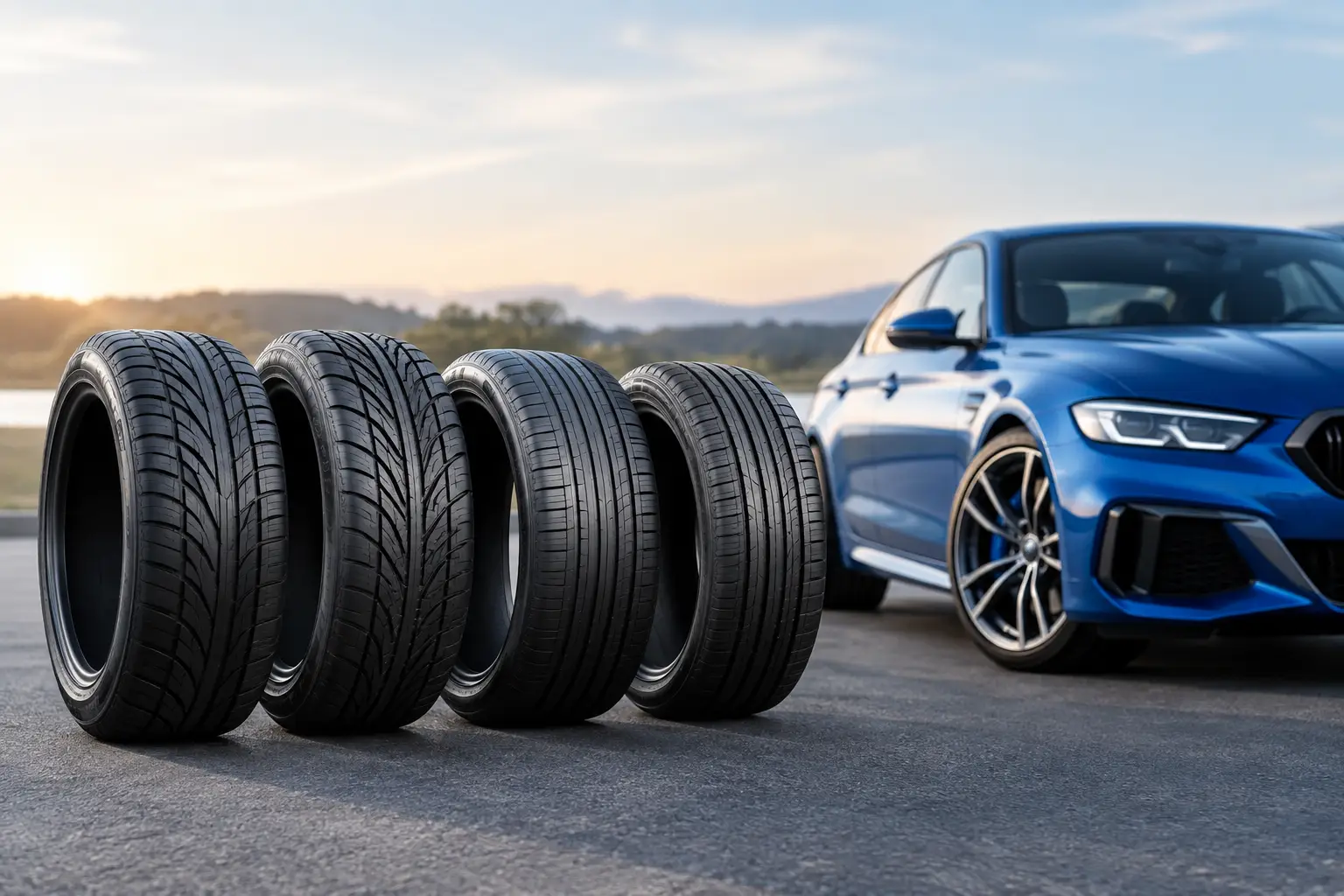
A performance tyre can transform how a car responds on a favourite B-road, but only when it is the right version, size and specification for the vehicle. Michelin Pilot Sport is one of the best-known names in premium performance tyres, covering everything from fast road driving in a hot hatch to high-powered SUVs and occasional track use. The name on the sidewall matters, but the full marking matters more.
For drivers replacing a worn set, the sensible starting point is not simply choosing the most aggressive Pilot Sport available. It is matching the tyre to the car’s factory requirements, wheel size, driving conditions and the way the vehicle is actually used. A tyre that feels superb on a dry circuit may be a poor compromise for a daily-driven family car in a wet Dorset winter.
What makes Michelin Pilot Sport tyres different?
The Pilot Sport range is designed around steering precision, braking performance and grip at higher road speeds. Compared with a conventional touring tyre, it will usually have a more responsive feel through the steering wheel and a tread pattern developed to clear water effectively while maintaining a broad contact patch.
That sharper character comes with trade-offs. Performance tyres can be firmer, may not last as long as a comfort-led touring option, and often cost more in larger premium-car sizes. On a car with stiff suspension, low-profile tyres and larger alloy wheels, the difference in ride quality can be noticeable. The right choice is therefore about balance, not chasing the most sporting label.
Michelin produces several tyres under the Pilot Sport name, and they are not interchangeable just because they share a family name. Their intended vehicles, tread designs, load ratings and available sizes can differ considerably.
Choosing the right Michelin Pilot Sport range
Pilot Sport 5 for fast everyday road use
The Michelin Pilot Sport 5 is aimed at drivers who want a capable summer performance tyre for everyday use. It is often a strong fit for warm hatches, sports saloons, coupes and performance estates that spend their lives on public roads rather than track days.
The appeal is its all-round focus. Drivers generally want dependable wet-weather confidence, predictable handling and good mileage alongside dry-road grip. It makes sense for someone who enjoys their car but still deals with commuting, passengers, motorway miles and less-than-perfect road surfaces.
As with any summer tyre, performance is optimised for milder conditions rather than sustained cold weather. If the car is used daily through frosty, icy or snowy conditions, an all-season or winter tyre strategy may be more appropriate. It depends on where and when you drive, not just the badge on the bonnet.
Pilot Sport 4S for higher-performance cars
Pilot Sport 4S is a familiar choice on powerful rear-wheel-drive and four-wheel-drive cars, particularly where the driver wants strong dry handling without fitting a more track-biased tyre. It is commonly considered for performance models from BMW, Audi, Mercedes-Benz and Porsche, provided the correct size and manufacturer approval are available.
For road use, the key benefit is confidence when the car is being driven with intent. However, replacing an original-equipment tyre with a different tyre model should never be automatic. Some vehicles are tuned around a specific approved tyre construction, especially when the car has adaptive suspension, high power output or staggered wheel widths.
A staggered setup means the rear tyres are wider than the fronts. In that case, confirm the exact front and rear sizes separately. Do not assume that a tyre listed for the wheel diameter will be correct for both axles.
Pilot Sport Cup 2 for track-focused driving
Pilot Sport Cup 2 sits at the more focused end of the range. It is aimed at drivers of cars that see regular circuit use or who prioritise dry grip and direct response over everyday refinement. It can be an excellent tyre for the right car and driving plan, but it is not automatically the best upgrade for a road-only vehicle.
A track-oriented tyre can need more care in standing water, cold conditions and normal urban driving. Tread wear can also be a greater consideration, particularly on cars with aggressive geometry or enthusiastic use. If track days are occasional rather than central to the car’s purpose, a road-focused Pilot Sport may offer a more useful year-round compromise during the warmer months.
Pilot Sport SUV for larger, heavier vehicles
Performance SUVs need tyres that account for vehicle mass, load capacity and high centre-of-gravity handling. The Michelin Pilot Sport SUV range is designed for this type of application, including premium SUVs on larger alloy wheels.
It is especially important not to fit a passenger-car tyre simply because the dimensions appear to match. The required load index must meet or exceed the vehicle manufacturer’s specification. This matters for braking, stability, tyre durability and insurance compliance. Range Rovers, performance SUVs and electric SUVs can place significant loads on their tyres, even before passengers or luggage are added.
Fitment is more than width, profile and diameter
A marking such as 225/40 R18 gives essential information, but it is not the complete fitting instruction. The first number is tyre width in millimetres, the second is the profile as a percentage of width, and R18 identifies an 18-inch rim diameter. You must also check the load index, speed rating and any additional sidewall markings.
An XL marking indicates an extra-load tyre construction. This does not mean it is simply a tougher optional upgrade. On many vehicles, it is the required specification. Similarly, run-flat tyres should only be changed after considering whether the car is designed for them, whether it has a tyre repair kit or spare wheel, and how a conventional tyre could affect handling or warning systems.
Original-equipment approvals deserve attention too. You may see markings associated with individual manufacturers, such as BMW star marking, Mercedes-Benz MO, Audi AO or Porsche N approvals. These indicate a tyre developed or approved for a particular manufacturer application. For a performance car supplied with an approved tyre from new, retaining that approval is often the sensible route.
Tyre pressure monitoring systems are another practical consideration. A direct TPMS sensor sits inside the wheel and needs careful handling during removal and fitting. The valve service kit may also need replacing. A proper fitting service checks for leaks and ensures the wheels are balanced correctly once the new tyres are installed.
When replacing one or two tyres
Ideally, replace tyres as an axle pair so that left-to-right grip remains consistent. If only one tyre has been damaged and the remaining tyre is still relatively new, the replacement should match the existing tyre as closely as possible in brand, model, size, load and speed rating.
Four-wheel-drive vehicles need additional caution. Significant differences in rolling circumference between tyres can put strain on drivetrain components. This is not only about fitting the same nominal size: tread depth differences may matter too. Check the vehicle handbook and seek advice before mixing new and partly worn tyres across an axle or between front and rear.
New tyres are usually fitted to the rear axle, even on front-wheel-drive cars, to help maintain rear-end stability in wet conditions. There can be manufacturer-specific guidance, so this should be assessed with the vehicle and tyre condition in front of you rather than treated as a blanket rule.
Wheels, alignment and getting the best from the tyre
Premium tyres cannot compensate for a damaged wheel or incorrect alignment. A bent alloy, poor balance or worn suspension component can create vibration, uneven wear and a vague driving feel that is easily mistaken for a tyre problem.
Before fitting Michelin Pilot Sport tyres to newly refurbished or replacement alloy wheels, confirm the wheel width, offset, centre bore, stud pattern and brake clearance. The tyre needs to be approved for the rim width, while the wheel must sit correctly within the arch and clear suspension and brake components. This is particularly relevant when moving to a wider wheel or lower-profile tyre.
After fitting, correct wheel balancing is essential. If the previous tyres show excessive wear on one edge, feathering across the tread or rapid shoulder wear, arrange an alignment check. A fresh set of performance tyres on incorrect geometry can lose their best qualities surprisingly quickly.
For drivers who want the benefits of a premium performance tyre without guesswork, The Tyre Barn can check the specification against the vehicle, wheels and intended use before fitting. Bring the full tyre marking, registration details and any concerns about ride, wear or handling. The best Michelin Pilot Sport choice is the one that fits properly, carries the right rating and gives you confidence every time the road opens up.