
Best Tyres for Wet Roads: What to Choose

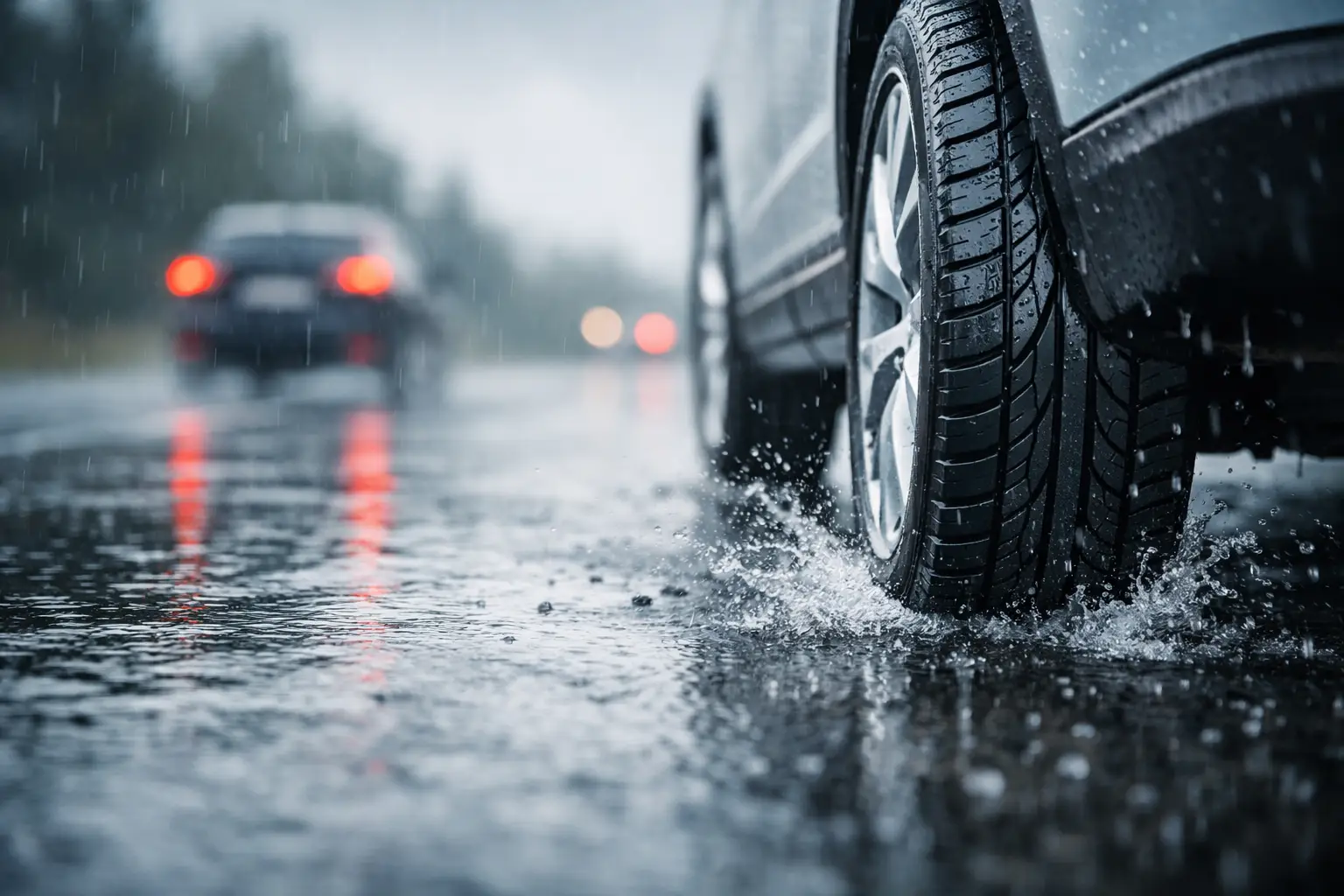
A tyre can feel perfectly fine on a dry dual carriageway and still be the wrong choice the moment standing water appears. That is why drivers searching for the best tyres for wet roads are usually asking a more useful question underneath it all – which tyre will actually give me confidence when the weather turns properly British?
The answer is not as simple as picking the most expensive option on the shelf. Wet-road performance comes down to tread design, compound, vehicle type, tyre size, wear level and how the tyre suits the way you drive. A premium hatchback, a heavy SUV and a van do not ask the same thing from a tyre in heavy rain.
What makes the best tyres for wet roads?
Wet grip starts with the tyre’s ability to clear water quickly and keep the contact patch working. If water builds up faster than the tread can disperse it, the tyre begins to ride on top of the surface instead of biting into it. That is aquaplaning, and once it happens, braking and steering control drop away fast.
This is why the best wet-weather tyres tend to have well-designed circumferential grooves, sipes that open under load, and a compound that stays pliable in cooler temperatures. A tyre that looks sporty because it has a low-profile sidewall or an aggressive pattern is not automatically better in the wet. In some cases, a tyre designed for sharp dry handling can make a compromise on standing-water resistance or cold-weather flexibility.
European tyre labelling is a useful starting point here. Wet grip ratings can help narrow the field, especially if you are comparing similar tyres in the same size. But labels do not tell the full story. They are one measure under controlled conditions, not a complete picture of road noise, longevity, steering feel or real-world performance on worn British roads.
Premium, mid-range or budget?
For wet roads, the gap between premium and budget tyres is often more obvious than it is in dry conditions. Premium brands generally invest more heavily in compound development and tread engineering, and that usually shows up in shorter braking distances and more predictable behaviour when the road surface is greasy, uneven or flooded.
That does not mean every driver must buy top-end tyres. A good mid-range tyre can be a sensible fit for an everyday car doing local miles, provided the wet performance is proven and the tyre is correct for the vehicle. What tends to be a false economy is fitting the cheapest option available and expecting it to perform well in an emergency stop on a wet roundabout in November.
If your car is heavier, more powerful, or fitted with larger alloy wheels, tyre quality matters even more. Premium saloons, performance cars and SUVs place bigger demands on the tyre under braking and cornering. The same applies to vans and commercial vehicles carrying weight.
Best tyres for wet roads by driving need
The best choice depends on what your vehicle actually does week to week.
If you mainly commute, school-run and cover mixed town and motorway miles, look for a balanced touring tyre with a strong wet grip rating and good wear characteristics. You want stable braking, low noise and predictable steering rather than a tyre aimed at outright track-style response.
If you drive a performance car or a powerful German saloon, you may want a premium ultra-high-performance tyre that keeps strong wet braking while still offering precise turn-in. Some performance tyres are excellent in heavy rain, while others lean more towards dry-road sharpness. It pays to look beyond the badge.
For SUVs and 4x4s, water clearance and load handling are critical. A heavier vehicle builds momentum quickly in the wet, and that extra mass has to be controlled. Tyres with good wet braking and strong stability under load make a noticeable difference.
For vans and commercial use, durability still matters, but wet grip should not be sacrificed for mileage alone. A tyre that lasts longer but takes significantly more distance to stop on a wet road can cost more in the long run.
Tread depth matters more than many drivers realise
A new premium tyre and the same tyre worn close to the legal limit are very different things in standing water. While the legal minimum tread depth in the UK is 1.6mm across the central three-quarters of the tyre, wet performance starts to fall away well before that point.
In practical terms, many drivers notice a drop in wet confidence once tread gets lower, especially on motorways and faster A-roads. The shallower the grooves, the less water the tyre can evacuate. So even if a tyre is still legal, it may no longer be one of the best tyres for wet roads simply because it is too worn to do the job properly.
This is one reason tyre inspections matter. Uneven wear, inner-edge wear and age-related hardening can all affect wet grip without being obvious at a glance.
Summer, all-season or winter?
For much of the UK, a quality summer tyre from a strong manufacturer will perform well in wet conditions for most of the year. Good summer tyres are not just for hot weather. Many are designed to handle rain well, provided temperatures are not consistently very low.
All-season tyres make sense for some drivers, especially those who want one set to cope with wet roads, cooler temperatures and occasional frost without swapping seasonally. A well-made all-season tyre can be a strong option if your priority is year-round usability rather than the sharpest dry handling.
Winter tyres come into their own when temperatures drop and roads are regularly cold, wet, icy or slushy. They can be excellent in cold rain too. But if you spend most of the year in milder conditions, they are not always the best all-round answer.
It depends on mileage, region, vehicle and whether you are happy to change sets seasonally. There is no single correct answer for every Dorset commuter, motorway driver or performance car owner.
The right tyre size and fitment still come first
Wet performance is not just about brand and model. Correct fitment matters. The wrong load rating, speed rating or tyre size can upset the way the vehicle handles and brakes, even if the tyre itself is a decent product.
This is especially relevant if your car has been upgraded with different alloy wheels, staggered fitment, run-flat tyres or manufacturer-specific requirements. BMW, Mercedes, Audi, Porsche and Range Rover applications often need a bit more attention than simply matching the width and diameter.
A wider tyre is not always better in heavy rain either. Wider fitments can improve dry grip, but they also have more water to shift. Whether that trade-off works in your favour depends on the tread design, vehicle setup and road use.
What to avoid when buying wet-weather tyres
The biggest mistake is buying on price alone. Close behind that is buying on brand name alone. A premium manufacturer can make several tyre lines, and not all of them target the same use.
It is also worth being careful with older stock, mixed tyres across an axle, and part-worn options with limited tread left. Part-worn tyres can make sense in the right situation, but for wet-road performance the remaining tread depth and condition need proper scrutiny. There is a world of difference between a high-quality used tyre with strong, even tread and a cheap part-worn that is already close to losing its wet-weather edge.
Another common mistake is ignoring tyre pressures. Even the best wet-grip tyre will not work as intended if it is underinflated or overinflated. Pressure affects the shape of the contact patch and how the tread clears water.
How to choose with confidence
Start with your exact tyre size and vehicle requirements. Then look at how the car is actually used. Is it mostly urban driving, regular motorway work, heavy loads, or enthusiastic weekend driving? That narrows the field quickly.
From there, compare tyres with a strong reputation for wet braking and stability, not just headline mileage or sporty looks. If you are replacing only two tyres, fit the better pair to the rear to help maintain stability in the wet. And if your current tyres feel nervous on damp roads, do not assume that is simply how the car drives. Often it is a tyre issue, not a vehicle one.
If you are unsure, proper advice saves money and hassle. An experienced tyre supplier can spot fitment issues, explain realistic options across premium, mid-range and budget levels, and recommend something that suits both the vehicle and your budget. That is especially valuable if you are dealing with larger wheel sizes, performance models or commercial applications.
For drivers who want the best tyres for wet roads, the smartest move is usually not chasing a miracle product. It is choosing a tyre with proven wet grip, in the correct fitment, with enough tread to do its job and the right balance for how you actually drive. Get that right, and the car feels calmer, safer and far less tiring to live with when the rain starts coming down properly.