
How to Buy Part Worn Tyres Safely

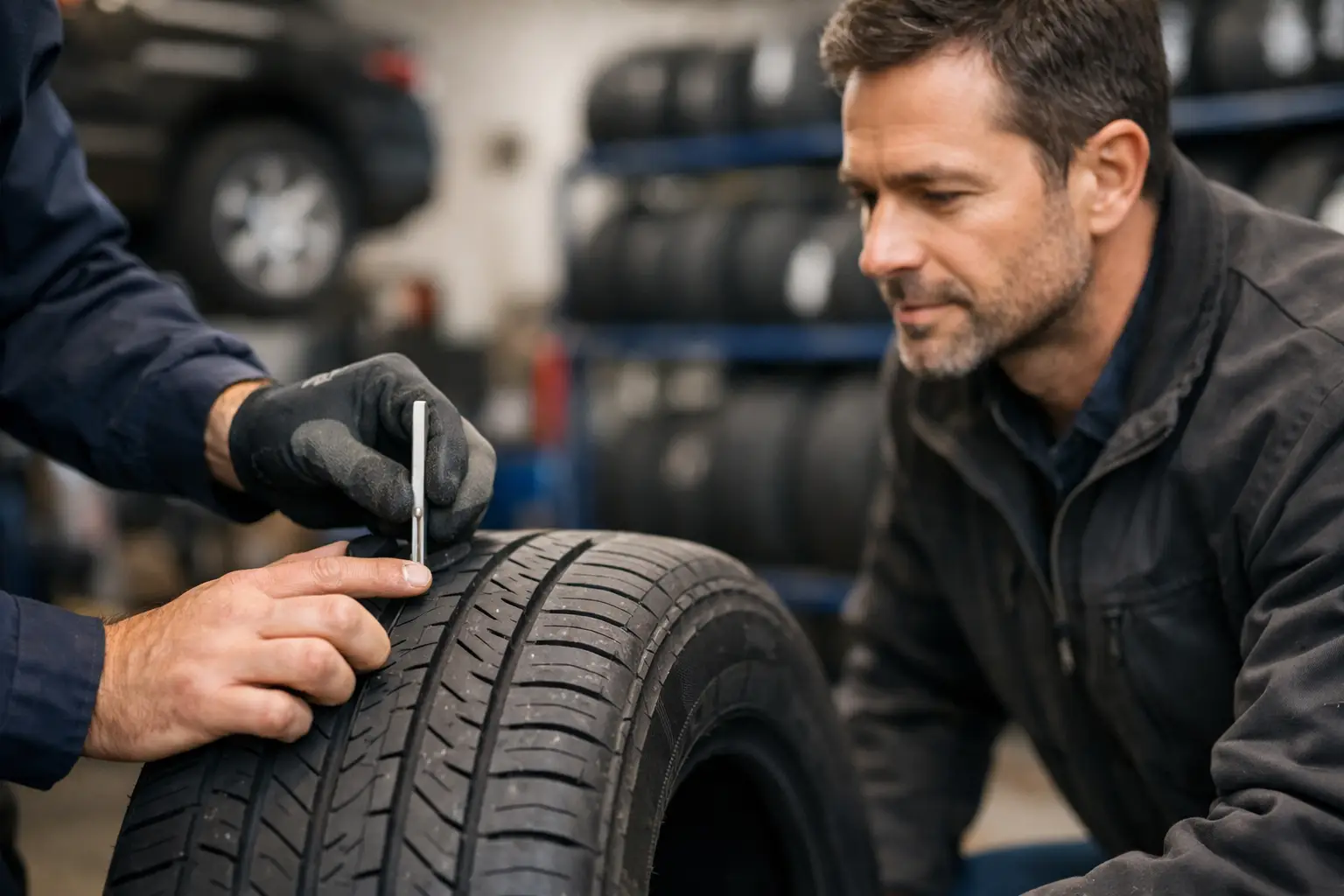
A part-worn tyre can save you money quickly. It can also cost you more than a new tyre if the casing is damaged, the rubber is old, or the tread is so uneven it is finished in a few thousand miles. That is the real issue with how to buy part worn tyres – the buying decision only works if you know exactly what you are looking at.
For some drivers, part-worns make perfect sense. If you need a quality branded tyre to replace a damaged one, want a matching tyre for an existing set, or need a short-term option on a vehicle you are preparing to sell, they can be a sensible purchase. But there is a big difference between a properly inspected, legal part-worn and a tyre that has simply been taken off another car and stacked for sale.
How to buy part worn tyres without guessing
The first rule is simple: buy from a tyre specialist, not just the cheapest seller you can find. A proper supplier should be able to tell you the tyre size, brand, load rating, speed rating, tread depth, age and overall condition before it goes anywhere near your vehicle. If they cannot answer those basics clearly, move on.
In the UK, part-worn tyres must meet legal requirements before they are sold. They should have at least 2mm of tread depth across the full breadth of the tread and around the entire circumference. They should also be clearly marked as part-worn. Just as importantly, they must be free from cuts, bulges, exposed cords and other damage that would make them unsafe for use.
That legal minimum matters, but it is not always a good buying standard. A tyre with just over 2mm might technically be saleable, yet still offer poor value. Once a tyre is down near that level, wet grip drops off and replacement is not far away. In practical terms, many buyers are better off looking for significantly more tread so they are not paying fitting costs for something that will need changing again soon.
Start with the correct tyre size and specification
Before you compare prices, confirm the exact size already fitted to your car. You will usually see something like 225/45 R17 94Y on the sidewall. That sequence tells you the width, profile, construction, wheel diameter, load index and speed rating. Get one part wrong and the tyre may not be suitable, even if it physically fits the wheel.
This is where buyers often make expensive mistakes. They focus on width and diameter, then ignore the load and speed rating. On many vehicles, especially heavier saloons, SUVs and premium models, those details matter. A cheaper tyre that does not meet the vehicle requirement is not a bargain. It is the wrong part.
If your car is fitted with run-flats, extra load tyres or manufacturer-approved fitments, check that carefully too. BMW, Mercedes, Audi, Porsche and Range Rover owners in particular often need to be more precise than they first expect. Matching the original spec is not always essential in every case, but you need to know when it is and when there is room to move.
Check whether you need one tyre, a pair or a full set
If one tyre has been damaged, a single part-worn can be a practical fix, especially if you are trying to match the brand and tread pattern on the same axle. But if the remaining tyre on that axle is already heavily worn, fitting one part-worn beside it may not be the best answer.
Likewise, if your current set is mixed, noisy or near the end of its life, chasing one more used tyre can be false economy. In that case, a matching pair or even a full set may give better ride quality, more predictable handling and better value over time.
What to inspect before you buy
Tread depth is the obvious place to start, but it should not be the only check. Ask for the actual measurement in millimetres rather than vague descriptions like plenty left or nearly new. A reputable tyre seller should have no issue measuring it.
Then inspect the wear pattern. Even tread across the tyre is what you want. If one shoulder is heavily worn, or the centre is much lower than the edges, that tyre has likely come off a vehicle with alignment or pressure issues. It may still have legal tread, but it is not necessarily a good tyre.
Look closely at the sidewalls as well. Bulges, cracking, scuffs that cut into the rubber, and repairs too close to the shoulder are all reasons to walk away. A tyre’s internal structure matters far more than how clean it looks from a distance.
Check the age of the tyre
Rubber ages even when tread remains. On the sidewall, there is a DOT code with four numbers showing the week and year of manufacture. For example, 2319 means the tyre was made in week 23 of 2019. That gives you a far better picture than someone saying it came off a low-mileage car.
There is no single age that automatically makes every tyre unusable, because storage conditions and overall condition matter too. Still, if a part-worn is already several years old, you should be realistic about its value. Good tread on old rubber is not the same as good tread on a newer casing.
Cheap part-worns are not always good value
This is where buying on price alone goes wrong. If a part-worn is only slightly cheaper than a decent new budget or mid-range tyre, the numbers may not stack up. Once you factor in the remaining tread, expected lifespan and fitting costs, the used tyre may offer less value per mile.
Brand matters, but only in context. A premium part-worn with strong tread and a healthy casing can make sense. A premium tyre that is old, worn unevenly or near the legal limit does not become a smart buy just because the sidewall carries a big name.
On the other side of the equation, a good new tyre may be the better answer if you do high motorway mileage, carry family regularly, or simply want longer service life. Part-worns suit some jobs very well, but they are not automatically the best option for every car or every driver.
Ask how the tyre has been inspected
A serious tyre supplier should be able to explain how part-worns are checked before sale. That means more than a quick visual glance. You want to know whether the tyre has been inspected internally and externally, pressure tested where appropriate, and checked for previous repairs or damage.
This is especially important if you are buying a tyre for a heavier vehicle or a higher-performance application. The faster or heavier the vehicle, the less sense it makes to take chances with an unknown casing. Expert inspection is part of what you are paying for.
If the seller seems reluctant to discuss condition in detail, that tells you something. Good stock sells on quality, not mystery.
Fitting matters as much as the tyre itself
Even a sound tyre can perform badly if it is fitted carelessly. Proper fitting, correct inflation, valve condition, wheel balance and alignment all affect how that tyre wears and how safe it feels on the road. If the wheel itself is damaged or corroded, the best tyre in the world will not mask that for long.
That is why many motorists prefer buying from a business that can supply and fit in one place. It removes the usual handover problems – no guessing on compatibility, no carrying loose tyres around, and no separate fitter discovering issues after the sale. If you are local to Dorset, using an experienced workshop can make the whole decision easier because any fitment concerns can be checked before money is wasted.
When part-worn tyres make the most sense
There are good reasons to buy them. Replacing a single damaged premium tyre with a close match can be more sensible than changing a full pair unnecessarily. A temporary solution on a car you will not keep for long can also work. And if you need a specific size or pattern to match existing tyres, a well-sourced part-worn may be the most practical option.
Where buyers get caught out is treating every used tyre as a bargain. Some are. Some are just worn tyres with a sales pitch. The difference comes down to specification, condition, remaining life and who is supplying it.
If you are unsure, ask the direct questions. What is the exact tread depth? How old is it? Has it been repaired? Is the wear even? Is it the correct rating for the car? A proper tyre specialist will answer clearly and help you decide whether a part-worn is genuinely worth fitting.
Buy with your eyes open, not just your wallet. The right part-worn tyre should save you money without asking you to compromise on the basics that keep your car stable, legal and safe.