
Used Alloy Wheels Buyer Guide for UK Drivers

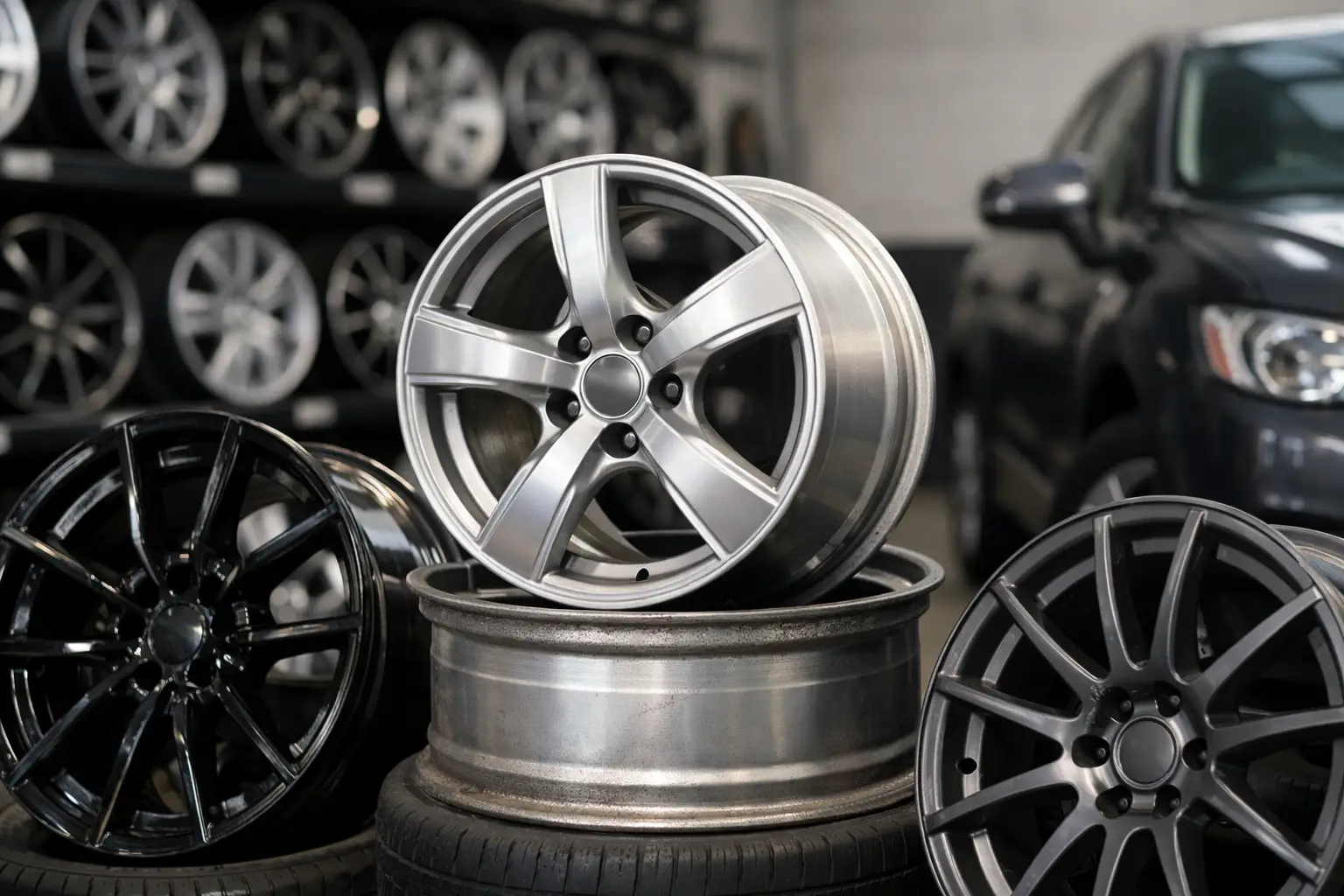
A cheap set of alloys can transform the look of your car. It can also become an expensive mistake if the wheels do not clear the brakes, sit correctly in the arches or arrive hiding a buckle beneath a fresh coat of paint. This used alloy wheels buyer guide focuses on the checks that matter before money changes hands – whether you are replacing a damaged original wheel, fitting a second set for winter tyres or upgrading your car’s stance.
Used wheels offer genuine value, particularly for vehicle-specific OEM sets from Audi, BMW, Mercedes, Porsche and Range Rover. The key is not simply finding a set that looks right. It is finding wheels with the correct specification, sound condition and a tyre package that works properly on your vehicle.
Start with fitment, not appearance
A wheel can have the right diameter and still be completely unsuitable. The specification needs to match your vehicle, its brakes and its intended use. Before viewing a set, confirm the wheel diameter and width, PCD, centre bore, offset and the correct fixing hardware.
PCD, or pitch circle diameter, describes the number and spacing of the bolt holes. A 5×112 wheel, for example, is not interchangeable with every five-stud vehicle. Centre bore matters too. The wheel should locate accurately on the hub, rather than relying on the wheel bolts or nuts to centre it. Some aftermarket wheels use spigot rings, which can be perfectly suitable when correctly specified, but they must be the right size and fitted properly.
Offset, shown as ET, is one of the most commonly missed details. It determines where the wheel sits relative to the hub. Too high an offset can bring the inner rim or tyre too close to suspension components. Too low can push the wheel outward, risking arch contact and unwanted load on components. There is sometimes sensible room to move from the factory offset, especially for an enthusiast setup, but it should be assessed against the exact car rather than guessed.
Width affects both wheel position and tyre choice. Moving from an 8J wheel to a 9J wheel changes the inner and outer clearance even if the offset stays the same. This is why a proper fitment check is worth more than a quick comparison of photographs.
Check brake clearance and load rating
Large calipers can rule out wheels that otherwise share the correct PCD and offset. This is especially relevant on performance models, cars with factory upgrade brakes and vehicles modified with bigger brake kits. The spoke shape and barrel profile determine clearance, not just wheel diameter.
Also check that the wheels carry a suitable load rating for the vehicle. A wheel intended for a lighter saloon may not be appropriate for a heavy SUV, EV or commercial application. Do not assume that a wheel from the same manufacturer is automatically suitable across every model.
Inspect the condition closely
Cosmetic marks are normal on used alloy wheels. Light kerbing, paint chips and lacquer peel can often be dealt with through refurbishment. Structural damage is different. A wheel that is cracked, badly buckled or poorly repaired can cause vibration, air loss and, in serious cases, a safety issue.
Ask for clear images of the front, rear, inner barrel and mounting face of every wheel, not just a single flattering photograph of the best one. If viewing in person, turn each wheel over and inspect it in good light. Look for corrosion around the tyre bead area, where it can lead to slow pressure loss, and around the centre bore and bolt holes.
Pay particular attention to these warning signs:
- Cracks around spokes, bolt holes, the inner barrel or the rear of the rim
- Flat spots, dents or ripples in the inner barrel caused by pothole impacts
- Evidence of weld repairs, filler, heavy grinding or paint that appears to hide damage
- Severe corrosion, especially where the tyre seals to the wheel
- Elongated bolt holes, damaged mounting faces or missing centre caps where these were expected
A refurbished wheel is not automatically a concern. A quality refurbishment can extend the life of a sound wheel and make a used set look excellent. What matters is the process and the original condition. Cosmetic refurbishment is very different from attempting to disguise a cracked or distorted wheel.
If the wheels are already fitted with tyres, inspect those as a separate purchase. Check tread depth across the full width, sidewall condition, manufacturing date and signs of uneven wear. A tyre worn heavily on one edge may point to alignment issues on the donor vehicle, while cracks, bulges or repairs can reduce the value of the package substantially.
Used alloy wheels buyer guide: matching tyres correctly
Tyres are not a finishing detail. They determine rolling radius, clearance, ride quality and how accurately the speedometer reads. The tyre size must suit the wheel width and maintain a sensible overall diameter for the vehicle.
A wider wheel does not always require the widest tyre possible. Stretching a narrow tyre onto a wide rim may appeal to a particular style, but it can reduce rim protection and is rarely the practical choice for everyday road use. Equally, a tyre that is too wide for the wheel can feel vague and may not seat or perform as intended.
Where possible, use a size approved for the wheel and close to the original rolling radius. On staggered setups, where rear wheels and tyres are wider than the fronts, keep the intended front-to-rear relationship. Mixing unsuitable tyre sizes can upset traction systems and all-wheel-drive drivetrains.
For premium vehicles, check whether the original specification calls for run-flat tyres, reinforced sidewalls or manufacturer-marked tyres. There can be alternatives, but changing tyre construction may affect ride and handling. The right answer depends on the vehicle and how it is used.
Ask the questions sellers should be able to answer
A trustworthy seller should be able to provide the full wheel specification, not just say the wheels came off a particular car. Vehicles within the same model range can use different offsets, brake packages and tyre sizes.
Ask whether the wheels have been welded, straightened or refurbished, whether they have held air without issue, and whether any wheel bolts, locking nuts, centre caps, tyre pressure monitoring sensors or spigot rings are included. These smaller items can add to the final cost and are often essential for correct installation.
It is also worth confirming why the wheels are being sold. An owner changing style is one thing; a set removed after pothole damage deserves closer inspection. There is no harm in buying repaired wheels where the work is known, professionally completed and suitable for the intended use, but the price should reflect that history.
Work out the real cost, not just the advert price
The bargain set often stops being a bargain once collection, delivery, tyres, sensors, new valves, balancing, alignment and cosmetic work are added. Price the complete job before deciding between used OEM wheels, refurbished wheels and a new aftermarket set.
Used original equipment wheels can be a strong choice because they are designed around the vehicle’s hub, brakes and load requirements. They may also preserve the factory appearance and be easier to insure. Aftermarket wheels can offer more choice in weight, style and sizing, but they demand closer attention to bore, offset, load rating and hardware.
If you are changing wheel size or width, tell your insurer. Even a sensible upgrade may count as a modification. It is a straightforward call that can prevent unnecessary trouble later.
Have the wheels checked before regular use
Even a clean-looking set benefits from a workshop inspection before fitting. A professional can confirm wheel run-out, tyre condition, bead sealing surfaces, correct bolt seat type and clearance at full steering lock. Once fitted, the wheels should be balanced properly and tyre pressures set for the vehicle and load.
For drivers in Dorset who prefer to avoid separate sellers, tyre shops and fitting appointments, The Tyre Barn can help assess used wheel fitment, supply suitable tyres and fit the finished setup in Wimborne. That joined-up approach is particularly useful when an advert gives incomplete specifications or when a wheel and tyre package needs checking before it goes on the car.
The best used alloys are not necessarily immaculate, rare or aggressively priced. They are the set that fits precisely, runs true, accepts the right tyres and suits how you actually drive. Take the measurements seriously, be realistic about refurbishment, and you can buy with confidence rather than hoping a good-looking wheel works out.
Used Alloy Wheels Buyer Guide for UK Drivers
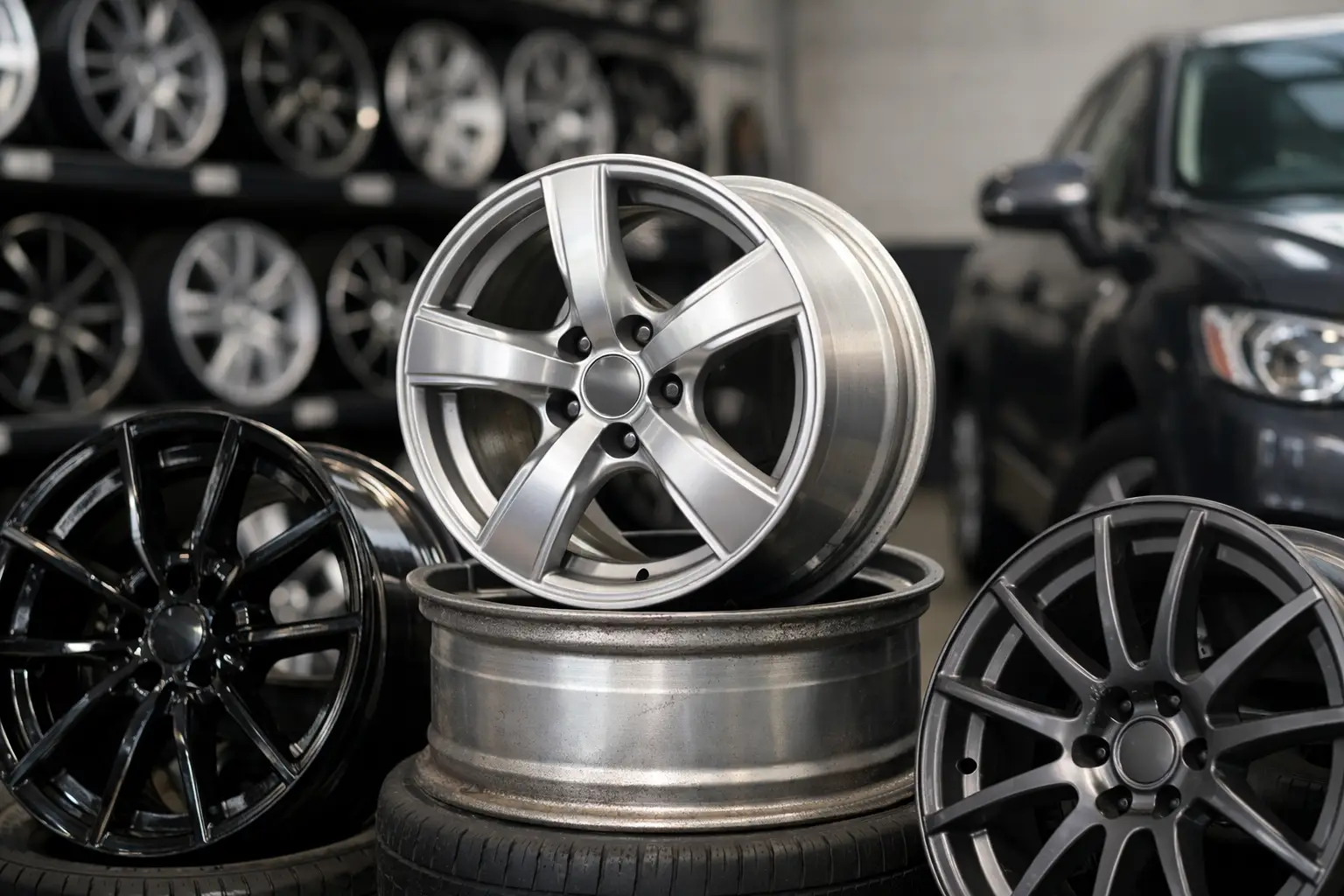
A cheap set of alloys can transform the look of your car. It can also become an expensive mistake if the wheels do not clear the brakes, sit correctly in the arches or arrive hiding a buckle beneath a fresh coat of paint. This used alloy wheels buyer guide focuses on the checks that matter before money changes hands – whether you are replacing a damaged original wheel, fitting a second set for winter tyres or upgrading your car’s stance.
Used wheels offer genuine value, particularly for vehicle-specific OEM sets from Audi, BMW, Mercedes, Porsche and Range Rover. The key is not simply finding a set that looks right. It is finding wheels with the correct specification, sound condition and a tyre package that works properly on your vehicle.
Start with fitment, not appearance
A wheel can have the right diameter and still be completely unsuitable. The specification needs to match your vehicle, its brakes and its intended use. Before viewing a set, confirm the wheel diameter and width, PCD, centre bore, offset and the correct fixing hardware.
PCD, or pitch circle diameter, describes the number and spacing of the bolt holes. A 5×112 wheel, for example, is not interchangeable with every five-stud vehicle. Centre bore matters too. The wheel should locate accurately on the hub, rather than relying on the wheel bolts or nuts to centre it. Some aftermarket wheels use spigot rings, which can be perfectly suitable when correctly specified, but they must be the right size and fitted properly.
Offset, shown as ET, is one of the most commonly missed details. It determines where the wheel sits relative to the hub. Too high an offset can bring the inner rim or tyre too close to suspension components. Too low can push the wheel outward, risking arch contact and unwanted load on components. There is sometimes sensible room to move from the factory offset, especially for an enthusiast setup, but it should be assessed against the exact car rather than guessed.
Width affects both wheel position and tyre choice. Moving from an 8J wheel to a 9J wheel changes the inner and outer clearance even if the offset stays the same. This is why a proper fitment check is worth more than a quick comparison of photographs.
Check brake clearance and load rating
Large calipers can rule out wheels that otherwise share the correct PCD and offset. This is especially relevant on performance models, cars with factory upgrade brakes and vehicles modified with bigger brake kits. The spoke shape and barrel profile determine clearance, not just wheel diameter.
Also check that the wheels carry a suitable load rating for the vehicle. A wheel intended for a lighter saloon may not be appropriate for a heavy SUV, EV or commercial application. Do not assume that a wheel from the same manufacturer is automatically suitable across every model.
Inspect the condition closely
Cosmetic marks are normal on used alloy wheels. Light kerbing, paint chips and lacquer peel can often be dealt with through refurbishment. Structural damage is different. A wheel that is cracked, badly buckled or poorly repaired can cause vibration, air loss and, in serious cases, a safety issue.
Ask for clear images of the front, rear, inner barrel and mounting face of every wheel, not just a single flattering photograph of the best one. If viewing in person, turn each wheel over and inspect it in good light. Look for corrosion around the tyre bead area, where it can lead to slow pressure loss, and around the centre bore and bolt holes.
Pay particular attention to these warning signs:
- Cracks around spokes, bolt holes, the inner barrel or the rear of the rim
- Flat spots, dents or ripples in the inner barrel caused by pothole impacts
- Evidence of weld repairs, filler, heavy grinding or paint that appears to hide damage
- Severe corrosion, especially where the tyre seals to the wheel
- Elongated bolt holes, damaged mounting faces or missing centre caps where these were expected
A refurbished wheel is not automatically a concern. A quality refurbishment can extend the life of a sound wheel and make a used set look excellent. What matters is the process and the original condition. Cosmetic refurbishment is very different from attempting to disguise a cracked or distorted wheel.
If the wheels are already fitted with tyres, inspect those as a separate purchase. Check tread depth across the full width, sidewall condition, manufacturing date and signs of uneven wear. A tyre worn heavily on one edge may point to alignment issues on the donor vehicle, while cracks, bulges or repairs can reduce the value of the package substantially.
Used alloy wheels buyer guide: matching tyres correctly
Tyres are not a finishing detail. They determine rolling radius, clearance, ride quality and how accurately the speedometer reads. The tyre size must suit the wheel width and maintain a sensible overall diameter for the vehicle.
A wider wheel does not always require the widest tyre possible. Stretching a narrow tyre onto a wide rim may appeal to a particular style, but it can reduce rim protection and is rarely the practical choice for everyday road use. Equally, a tyre that is too wide for the wheel can feel vague and may not seat or perform as intended.
Where possible, use a size approved for the wheel and close to the original rolling radius. On staggered setups, where rear wheels and tyres are wider than the fronts, keep the intended front-to-rear relationship. Mixing unsuitable tyre sizes can upset traction systems and all-wheel-drive drivetrains.
For premium vehicles, check whether the original specification calls for run-flat tyres, reinforced sidewalls or manufacturer-marked tyres. There can be alternatives, but changing tyre construction may affect ride and handling. The right answer depends on the vehicle and how it is used.
Ask the questions sellers should be able to answer
A trustworthy seller should be able to provide the full wheel specification, not just say the wheels came off a particular car. Vehicles within the same model range can use different offsets, brake packages and tyre sizes.
Ask whether the wheels have been welded, straightened or refurbished, whether they have held air without issue, and whether any wheel bolts, locking nuts, centre caps, tyre pressure monitoring sensors or spigot rings are included. These smaller items can add to the final cost and are often essential for correct installation.
It is also worth confirming why the wheels are being sold. An owner changing style is one thing; a set removed after pothole damage deserves closer inspection. There is no harm in buying repaired wheels where the work is known, professionally completed and suitable for the intended use, but the price should reflect that history.
Work out the real cost, not just the advert price
The bargain set often stops being a bargain once collection, delivery, tyres, sensors, new valves, balancing, alignment and cosmetic work are added. Price the complete job before deciding between used OEM wheels, refurbished wheels and a new aftermarket set.
Used original equipment wheels can be a strong choice because they are designed around the vehicle’s hub, brakes and load requirements. They may also preserve the factory appearance and be easier to insure. Aftermarket wheels can offer more choice in weight, style and sizing, but they demand closer attention to bore, offset, load rating and hardware.
If you are changing wheel size or width, tell your insurer. Even a sensible upgrade may count as a modification. It is a straightforward call that can prevent unnecessary trouble later.
Have the wheels checked before regular use
Even a clean-looking set benefits from a workshop inspection before fitting. A professional can confirm wheel run-out, tyre condition, bead sealing surfaces, correct bolt seat type and clearance at full steering lock. Once fitted, the wheels should be balanced properly and tyre pressures set for the vehicle and load.
For drivers in Dorset who prefer to avoid separate sellers, tyre shops and fitting appointments, The Tyre Barn can help assess used wheel fitment, supply suitable tyres and fit the finished setup in Wimborne. That joined-up approach is particularly useful when an advert gives incomplete specifications or when a wheel and tyre package needs checking before it goes on the car.
The best used alloys are not necessarily immaculate, rare or aggressively priced. They are the set that fits precisely, runs true, accepts the right tyres and suits how you actually drive. Take the measurements seriously, be realistic about refurbishment, and you can buy with confidence rather than hoping a good-looking wheel works out.