
Are Part Worn Tyres Safe? What to Check First

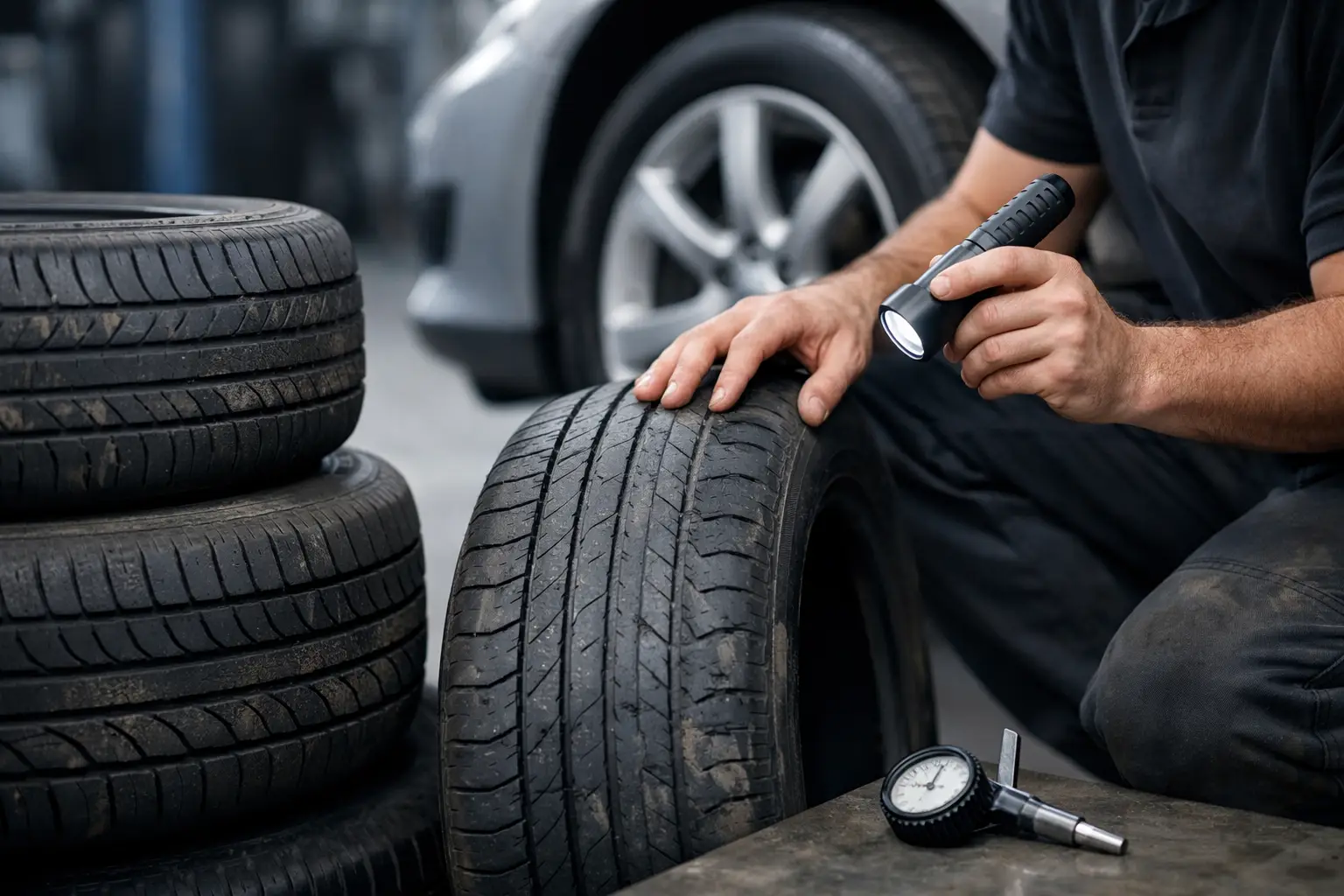
A replacement tyre can be an unwelcome expense, particularly when one tyre has been damaged and the others still have useful tread left. So, are part-worn tyres safe? They can be, but only when the tyre has been properly inspected, meets the legal standard and is the correct specification for the vehicle. A cheap tyre with an unknown history is never a bargain if it compromises braking, grip or stability.
Part-worn tyres are not simply tyres with less tread than new. They have already been fitted to another vehicle, so their condition depends on how they were used, stored, removed and checked before resale. That makes the supplier, inspection process and fitting advice just as important as the tyre’s visible tread depth.
What counts as a safe part-worn tyre?
In the UK, part-worn tyre sales are regulated. A tyre offered for resale must be suitable for its intended use and must pass specified checks. It should be clearly and permanently marked “PART-WORN”, with the original tyre markings still visible, and it must have at least 2mm of tread across its full breadth and around its entire circumference.
That 2mm minimum is higher than the 1.6mm legal minimum for a tyre already in service on your car. It is there for good reason: a part-worn tyre needs a worthwhile margin of usable life when it is sold. A tyre at or near 2mm may technically be saleable, but it is unlikely to represent good value once fitting and balancing are included.
A suitable tyre must also be free from defects that could make it unsafe. This includes exposed cords, significant cuts, bulges, damage to the bead, deterioration, and unsound previous repairs. The tyre should be examined inside and out, not just given a quick look on the tread face. Internal damage is where a visual inspection from the outside can fall short.
Tread depth matters, but it is not the whole story
Deep tread is reassuring, especially on a part-worn tyre, but it does not prove that the casing is sound. Uneven wear may point to a previous vehicle with poor wheel alignment, worn suspension components or incorrect tyre pressures. A tyre worn heavily on one shoulder, for example, may have less usable life than its centre tread suggests.
Look for even wear across the width of the tyre. The grooves should be clear and consistent, with no signs of tearing, feathering or localised bald patches. Check that the tread pattern is not distorted and that there are no objects embedded in the tyre.
Wet-weather performance is another practical consideration. As tread gets lower, a tyre has less capacity to clear water from the road surface. This increases the risk of reduced grip and aquaplaning, particularly on motorways and rural Dorset roads during heavy rain. For a daily-driven family car, a part-worn tyre with comfortable tread remaining is usually a more sensible choice than the cheapest tyre available.
Age, storage and rubber condition
Every tyre has a production date code on its sidewall. The final four digits show the week and year it was manufactured. This does not automatically make an older tyre unsafe, because storage conditions and use make a real difference, but age must form part of the decision.
Rubber hardens and can deteriorate over time. Fine cracking around the sidewall, in the tread grooves or near the bead is a warning sign. So is a tyre that feels unusually hard, has a faded or weathered appearance, or has clearly been stored outside in sunlight and damp conditions.
There is no single age at which every car tyre must be replaced, but tyres approaching ten years old deserve particularly careful scrutiny regardless of tread depth. For performance cars, heavily loaded vehicles and cars that cover regular motorway miles, choosing a more recent tyre gives greater confidence. A tyre may look almost unused because it has spent years in storage, yet still be a poor choice if the rubber has aged.
Repairs need proper judgement
A professionally repaired puncture is not necessarily a reason to reject a tyre. A repair can be safe when it is in the permitted tread area, the tyre has been removed and inspected internally, and the correct repair method has been used.
What should concern you is a repair near the sidewall or shoulder, multiple repairs close together, visible plugs inserted from the outside, or any sign that the tyre was driven while flat. Driving on a deflated tyre can damage the internal structure even where the outside appears intact. That is why a tyre should not be judged solely by whether it holds air at the time of sale.
If you are buying a part-worn tyre, ask whether it has had a repair and where it was located. A reputable supplier should be straightforward about the tyre’s condition rather than treating that question as an inconvenience.
Matching the tyre to your vehicle
A safe tyre is also one that is right for the car. The correct size, load index and speed rating matter. These details are printed on the sidewall and should match the vehicle manufacturer’s requirements or an approved alternative fitment.
This is especially relevant for premium vehicles, SUVs and performance models. An Audi, BMW, Mercedes, Porsche or Range Rover may use staggered tyre sizes, reinforced constructions, run-flat technology or manufacturer-approved markings. Fitting a tyre that physically fits the wheel but does not meet the required load rating or axle specification can affect handling, tyre wear and insurance considerations.
Where possible, match tyres across the same axle by size, construction and pattern. Mixing different brands or tread designs is not automatically illegal, but it can produce inconsistent grip and response. Four-wheel-drive vehicles can be more sensitive to differences in rolling circumference, so tread-depth variation between tyres should also be considered. If one tyre needs replacing, measure the others before choosing a part-worn alternative.
When part-worn tyres make sense
Part-worn tyres can be a practical option in the right circumstances. If you need to replace a single tyre to keep a matching set balanced, need a temporary solution before replacing a full set, or are working within a tight budget, a quality inspected part-worn tyre may offer sensible value.
They are less appealing when the price difference from a new tyre is small, when the remaining tread is modest, or when the car is used for high-mileage commuting, towing or enthusiastic driving. New tyres provide known age, full tread depth and a known history. For the steering axle, or for any vehicle where wet grip is a priority, that additional certainty is often worth paying for.
The decision also depends on tyre quality. A part-worn premium tyre with even wear, a sound casing and substantial tread can be a better prospect than an unknown-budget new tyre. It is not simply a choice between used and new. It is a choice between the exact tyre condition, its suitability for your vehicle and the level of confidence you need from it.
Questions worth asking before fitting
Before agreeing to a part-worn tyre, establish the measured tread depth, production date, repair history and full tyre specification. Ask whether the casing has been inspected internally and whether the tyre has been pressure-tested. You should also confirm the fitted price, including valve replacement, balancing and disposal of the old tyre.
At fitting, the wheel itself should be checked for damage or corrosion around the bead seat, particularly with used alloy wheels. A sound tyre cannot seal correctly against a damaged rim. Correct balancing and tyre pressure complete the job, then a wheel alignment check may be worthwhile if the old tyre showed uneven wear.
Are part-worn tyres safe when bought from a specialist?
A specialist inspection and correct fitting greatly reduce the uncertainty that comes with any used tyre. At The Tyre Barn, the useful starting point is not just finding a tyre in the right size, but confirming its condition, load and speed rating, remaining life and suitability for the vehicle it is going onto.
Do not buy on tread depth alone. A well-inspected, correctly matched part-worn tyre can be a safe, cost-conscious choice, while a tyre with unclear history or visible compromises should stay on the shelf. If there is any doubt over its condition or fitment, choosing another tyre is the straightforward decision.