
Which Tyres Last Longest? What Matters Most

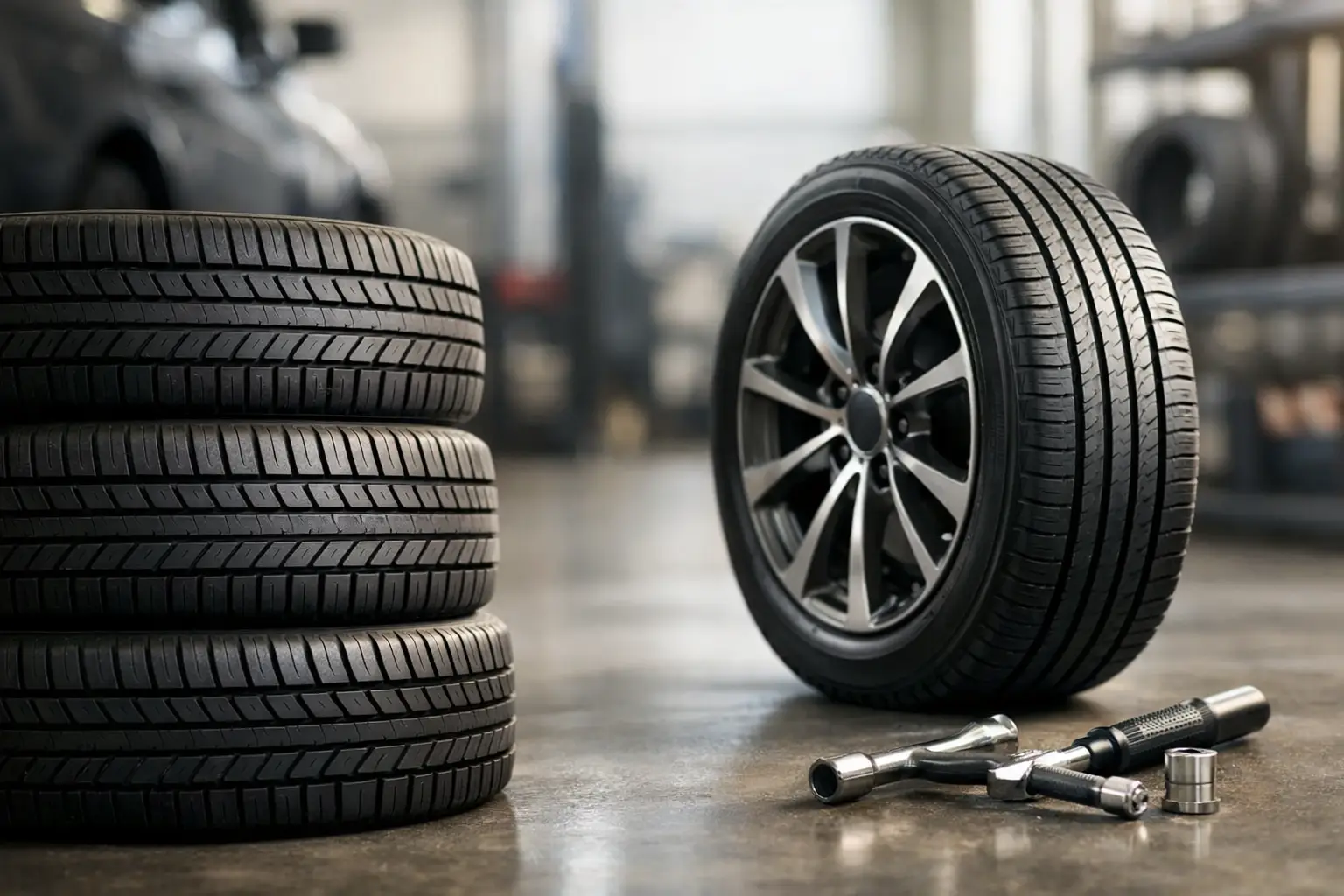
A tyre that wears out in 12,000 miles on one car can last twice that on another, which is why asking which tyres last longest is only half the question. The better question is which tyres last longest on your vehicle, with your mileage, your road use and your setup. That is where tyre choice becomes less about marketing claims and more about tread compound, load rating, wheel alignment and how the car is actually driven.
Which tyres last longest in real-world use?
In simple terms, harder-wearing touring tyres usually last longer than ultra-high-performance tyres, and premium all-season tyres often sit somewhere in the middle. If maximum mileage is your priority, look first at tyres designed for everyday road driving rather than outright grip. A tyre built for comfort, fuel economy and steady motorway work will normally wear more slowly than one built to deliver sharp turn-in and strong dry-weather traction.
That does not mean the longest-lasting tyre is always the right tyre. A heavier SUV, a powerful rear-wheel-drive saloon or a van used under load may need a different construction entirely. The best tyre for mileage still has to match the vehicle, the axle load and the way it is used.
Premium brands often last longer than budget tyres, but not for the reason many drivers assume. It is not simply about having more tread at the start. Better-quality tyres tend to wear more evenly, manage heat more effectively and maintain their structure better over time. A cheap tyre can sometimes feel like value on day one, but if it wears quickly or irregularly, the cost per mile is not always better.
What affects tyre life more than the badge
Brand matters, but several other factors matter more.
Rubber compound is a big one. Softer compounds usually offer more grip, especially in wet or colder conditions, but they tend to wear faster. Harder compounds often go further, though there can be a trade-off in outright traction and steering feel.
Tread pattern also plays a part. Tyres with aggressive patterns and larger shoulder blocks, often seen on performance or SUV fitments, can wear differently from more conservative touring designs. The pattern alone does not decide lifespan, but it influences how the tyre distributes load and handles heat.
Vehicle setup is just as important. Poor alignment can destroy a perfectly good set of tyres long before their time. If the inner edges are scrubbing away while the rest of the tread still looks healthy, the problem is usually geometry rather than tyre quality. The same goes for worn suspension components, damaged bushes or incorrect tyre pressures.
Then there is driving style. Fast acceleration, hard braking and carrying speed into roundabouts all increase wear. Plenty of drivers blame the tyre when the real cause is how the car is being used day after day.
Premium, mid-range or budget?
If your aim is to get the most miles from a set, premium touring tyres are often the safest bet. They generally cost more upfront, but they tend to offer the best balance of wear rate, wet grip, noise control and consistency over their life. For high-mileage drivers, that balance usually makes sense.
Mid-range tyres can be a sensible option when budget matters but you still want decent longevity. Some perform very well for normal commuting and mixed road use, especially on smaller hatchbacks and family cars. The key is choosing a tyre with the correct specification rather than buying on price alone.
Budget tyres are more mixed. Some give acceptable service on low-mileage vehicles, but lifespan can be less predictable. Wear rate, road noise and wet-weather performance often vary more from one model to another. If a car is used frequently on faster roads, or if it carries passengers and luggage regularly, it is usually worth stepping up to a better-quality tyre.
Which tyres last longest for motorway drivers?
Motorway driving is generally easier on tyres than stop-start town use. Speeds are more constant, braking is less frequent and steering inputs are gentler. For drivers covering big motorway mileage, touring tyres with a strong reputation for low rolling resistance and even wear are usually the best place to start.
This is also where pressure checks really pay off. Underinflation increases heat and shoulder wear, while overinflation can reduce the contact patch and wear the centre tread more quickly. A tyre doing long distances at the wrong pressure will not give you anything like its potential lifespan.
If your car spends most of its time on the motorway but occasionally carries heavy loads, make sure the load index is correct. An under-specced tyre may wear faster and will not perform as intended.
Why performance tyres usually wear faster
Performance tyres are designed around grip, response and stability at speed. To achieve that, manufacturers often use softer compounds and stiffer constructions. The result is better handling, but usually a shorter service life.
That is not a fault. It is the trade-off. If you drive a powerful BMW, Audi, Mercedes or Porsche and want the car to feel as it should, a longer-lasting tyre with less grip may not be the right answer. You may get more miles, but lose the precision and confidence that suit the vehicle.
For many drivers, the best route is not chasing the absolute longest life. It is choosing a tyre that gives sensible wear without compromising the character and safety of the car.
The hidden reason tyres wear out early
The tyre itself is often blamed first, but uneven wear is one of the biggest causes of premature replacement. Inner-edge wear, outer-shoulder scrub, feathering and flat spots all point to issues beyond the tread compound.
Alignment should be checked whenever new tyres are fitted if there is any sign of uneven wear, steering pull or impact damage from potholes. Suspension condition matters too. A worn shock absorber or bush can let the tyre move more than it should, which affects contact with the road and shortens lifespan.
Wheel size can also influence wear. Larger alloy wheels with lower-profile tyres often look better and sharpen handling, but they can be less forgiving on poor road surfaces. That extra impact can affect wear patterns if pressures and setup are not spot on.
How to make any tyre last longer
If you want more miles from your tyres, the boring basics matter most. Check pressures regularly, not just when a warning light appears. Have alignment inspected if the steering feels off, the car has hit a pothole or the old tyres show uneven wear. Keep an eye on suspension condition and do not ignore vibrations.
Driving style is the other half of the picture. Smooth throttle inputs, gentler braking and avoiding unnecessary scrubbing at low speeds all help. So does reducing excess weight in the car. It sounds small, but over thousands of miles it adds up.
Rotating tyres can help on some vehicles, especially where front tyres wear significantly faster than rears. It depends on the drivetrain, tyre type and whether you are running a staggered setup. Not every car allows it, but where suitable, rotation can improve overall tyre life.
So, which tyres last longest for your car?
For most everyday motorists, a quality touring tyre from a reputable premium or strong mid-range brand will usually deliver the best lifespan. For high-performance cars, a durable performance-focused road tyre may be the better answer even if it does not top the mileage chart. For SUVs, vans and commercial vehicles, correct load rating and construction are just as important as the brand name on the sidewall.
That is why there is no single winner for every driver. The tyre that lasts longest on a lightweight diesel hatchback doing motorway miles may be completely wrong for a petrol SUV used on short trips and school runs. The right choice comes from matching tyre design to vehicle type, driving style and fitment.
If you are replacing tyres because the last set wore out faster than expected, it is worth looking beyond the tread itself. The best long-life result usually comes from the full picture – correct specification, proper fitting, accurate pressures and a car that is set up as it should be. Get those right, and a good tyre has every chance of giving you the mileage you paid for.
A tyre should not just last a long time. It should wear properly, suit the car and keep doing its job from the first mile to the last.